The Recovery Debate No One Is Having
Most people don’t think twice about their recovery until they hit a wall. Energy crashes, nagging joint pain, plateaus in performance, poor sleep, irritability, they all stem from the same neglected truth: your body doesn’t grow during workouts; it grows in recovery.
But not all recovery is equal.
In today’s hyper-optimised fitness culture, the conversation often splits into two camps: “train harder” or “just rest.” However, what you need to understand is the type of recovery that suits your body’s current demands: active or passive.
This blog dives deep into both, demystifying the difference and helping you choose what your body needs, whether you’re a weekend warrior, an office athlete, or recovering from an injury.
What Is Passive Recovery?

Passive recovery refers to complete rest, no significant movement, minimal exertion, and full disengagement from physical stressors. This includes:
- Sleeping
- Lying down
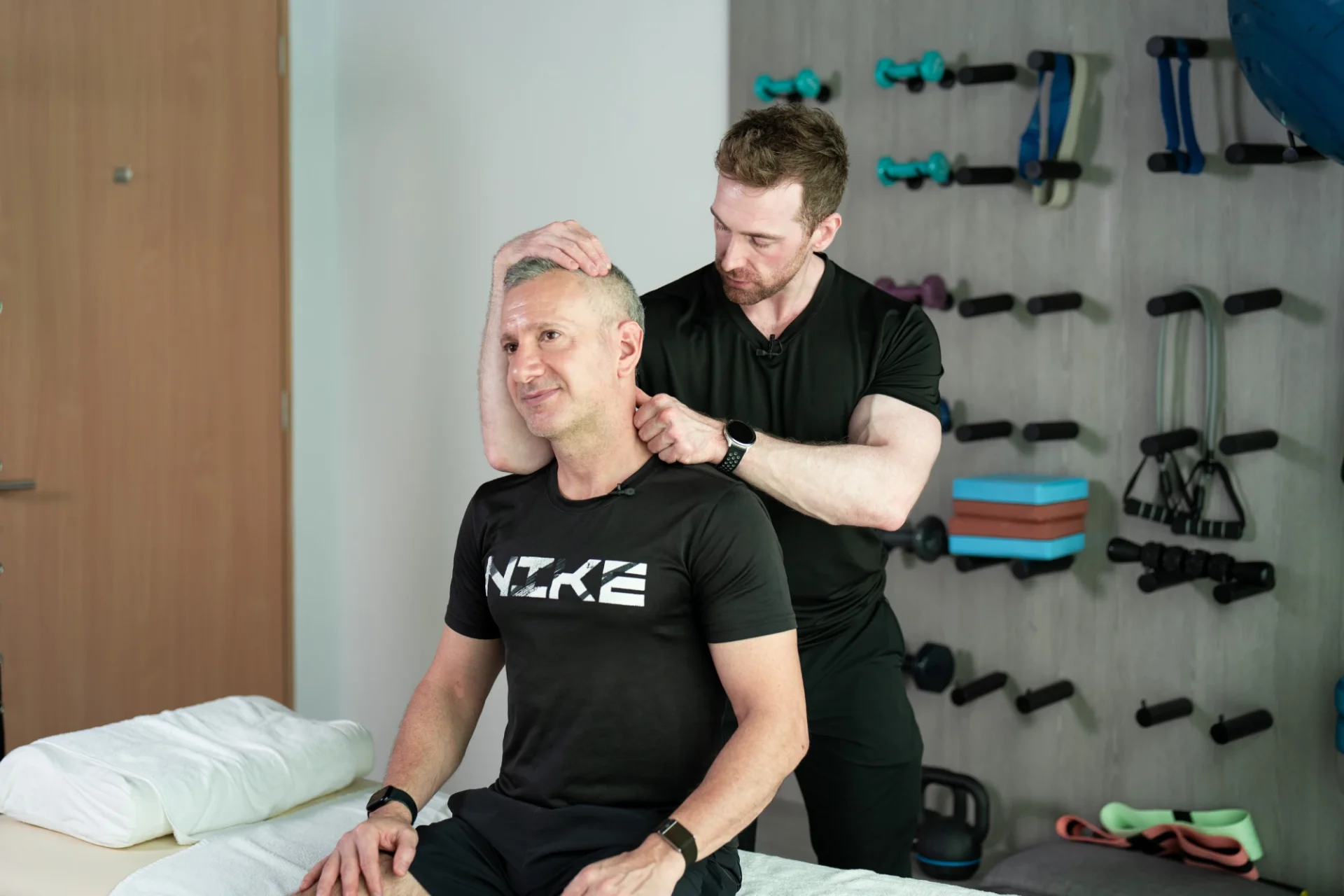
- Massage therapy
- Breathing work or meditation
- Cryotherapy or contrast baths
Its goal? Restore, rebuild, and regulate. Passive recovery allows your central nervous system (CNS) to reset, your muscles to repair, and your hormones to stabilise.
It’s especially critical:
- After intense strength training or HIIT sessions
- During illness or injury
- When cortisol levels are chronically high
- For people with low Heart Rate Variability (HRV), a key biomarker of recovery
Research in Frontiers in Physiology (2018) shows that sleep alone is the most potent recovery tool, improving everything from insulin sensitivity to memory to inflammation markers. Passive recovery is not laziness. It’s a physiological requirement for regeneration.
Also read: The Sleep Solution: Science-backed Strategies for Better Sleep
What Is Active Recovery?

Active recovery involves low-intensity, intentional movement that promotes circulation, clears metabolic waste, and enhances flexibility, without taxing the body. Think:
- Walking
- Mobility work
- Pilates
- Swimming
- Cycling at low intensities
- Light yoga
- Stretch therapy or foam rolling
Its purpose? Restore movement without stress.
Active recovery helps flush out lactic acid, reduce DOMS (Delayed Onset Muscle Soreness), and maintain neuromuscular engagement. A 2010 study in the Journal of Sports Sciences found that low-intensity active recovery enhances lactate clearance faster than complete rest post-exercise.
At TSquared, we often integrate active recovery sessions within personalised training plans, especially for those training 4–6x per week or going through a physiotherapy-led rehabilitation plan.
Also read: Discover Your Full Potential With TSquared Pilates
When to Choose Active vs. Passive Recovery
This isn’t about which recovery is better, but about timing, stress load, and your overall goals. Here’s how to decide:
- Feeling mentally foggy, physically drained, and emotionally flat?
→ Choose passive recovery. You may be facing systemic fatigue or burnout. Rest, sleep, gentle stretching, and nutritious food are your best tools. - Tight muscles, but high energy and a restless body?
→ Opt for active recovery. Light movement will help stimulate blood flow, reduce inflammation, and prevent stiffness. - Coming off a heavy lifting day or intense training block?
→ Use active recovery the next day to keep your fascia hydrated and avoid stiffness. But insert passive rest 1–2 times per week for nervous system reset. - Recovering from injury or surgery?
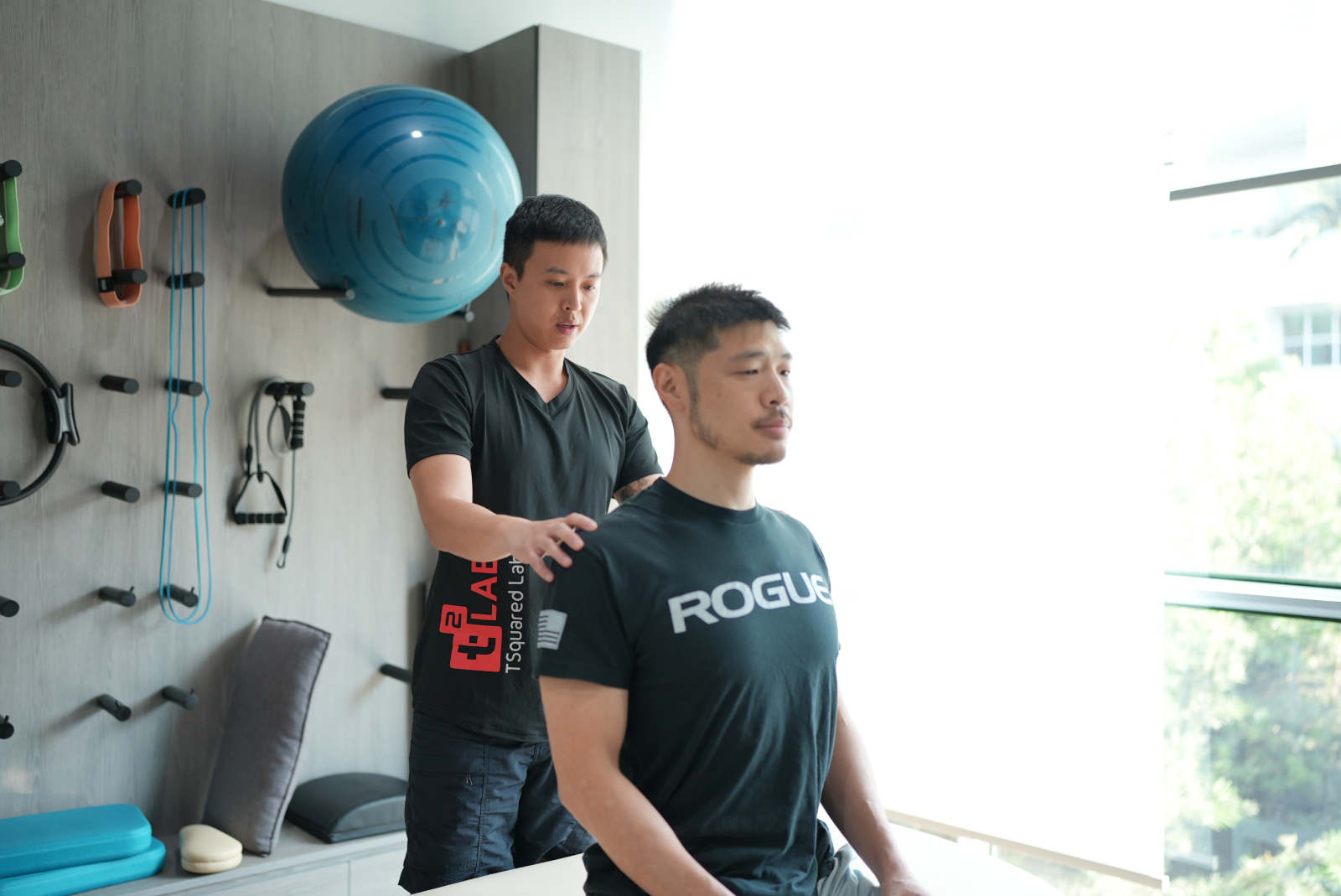
→ Your physiotherapist will guide the correct mix. At TSquared Physio, our rehabilitation centre customises active and passive interventions based on recovery stage, load tolerance, and inflammation markers.
The Hybrid Model: What Most People Need

For most high-performing individuals in Singapore, balancing demanding careers, fitness, and family, the sweet spot lies in a hybrid model of both recovery types, tailored weekly.
Here’s a sample rhythm:
- 2–3 days/week: Active recovery – morning walks, Pilates, dynamic stretching
- 1–2 days/week: Passive recovery – deep sleep, naps, massage, cold therapy
- Ongoing: Daily nutrition, hydration, healthy meal plans, and downtime practices
This integrative rhythm doesn’t just improve performance; it prevents burnout and overuse injuries. Long-term success in body transformation relies on structured recovery, not intensity alone.
Recovery Isn’t Optional, It’s Foundational
A key TSquared philosophy is this: training breaks your body down; recovery builds it back better. Without the right recovery strategy, even the best workouts become ineffective, or worse, harmful.
Recovery is where you rebuild tissue, rewire neural patterns, restore hormonal balance, and recharge your mindset.
So don’t just count your reps. Count your recovery days.
Don’t just chase progress. Chase consistency.
And don’t just train harder. Train smarter by knowing when to pause and when to move.
Also read: Recovery and Regeneration: Two Most Overlooked Pillars of Progress