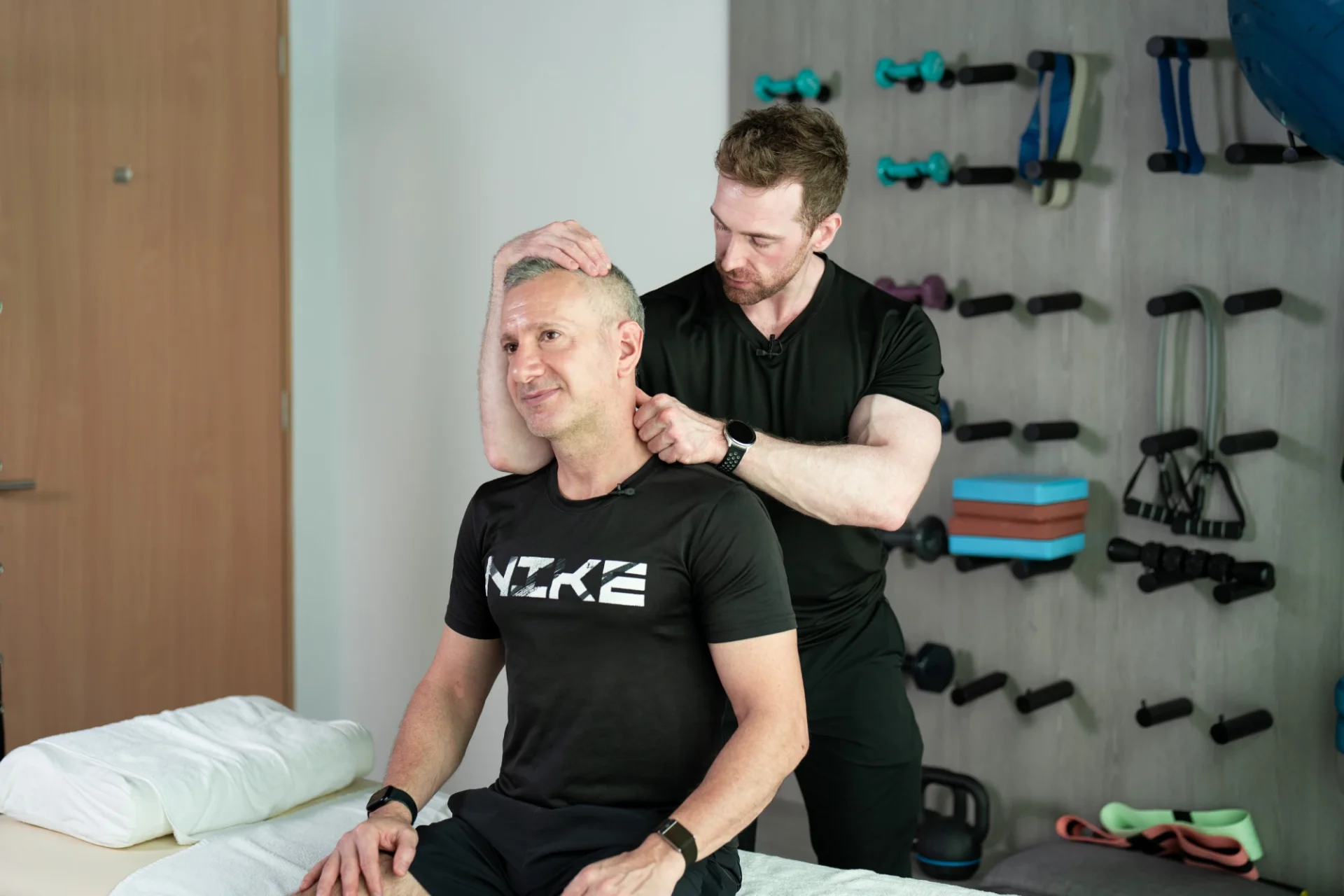
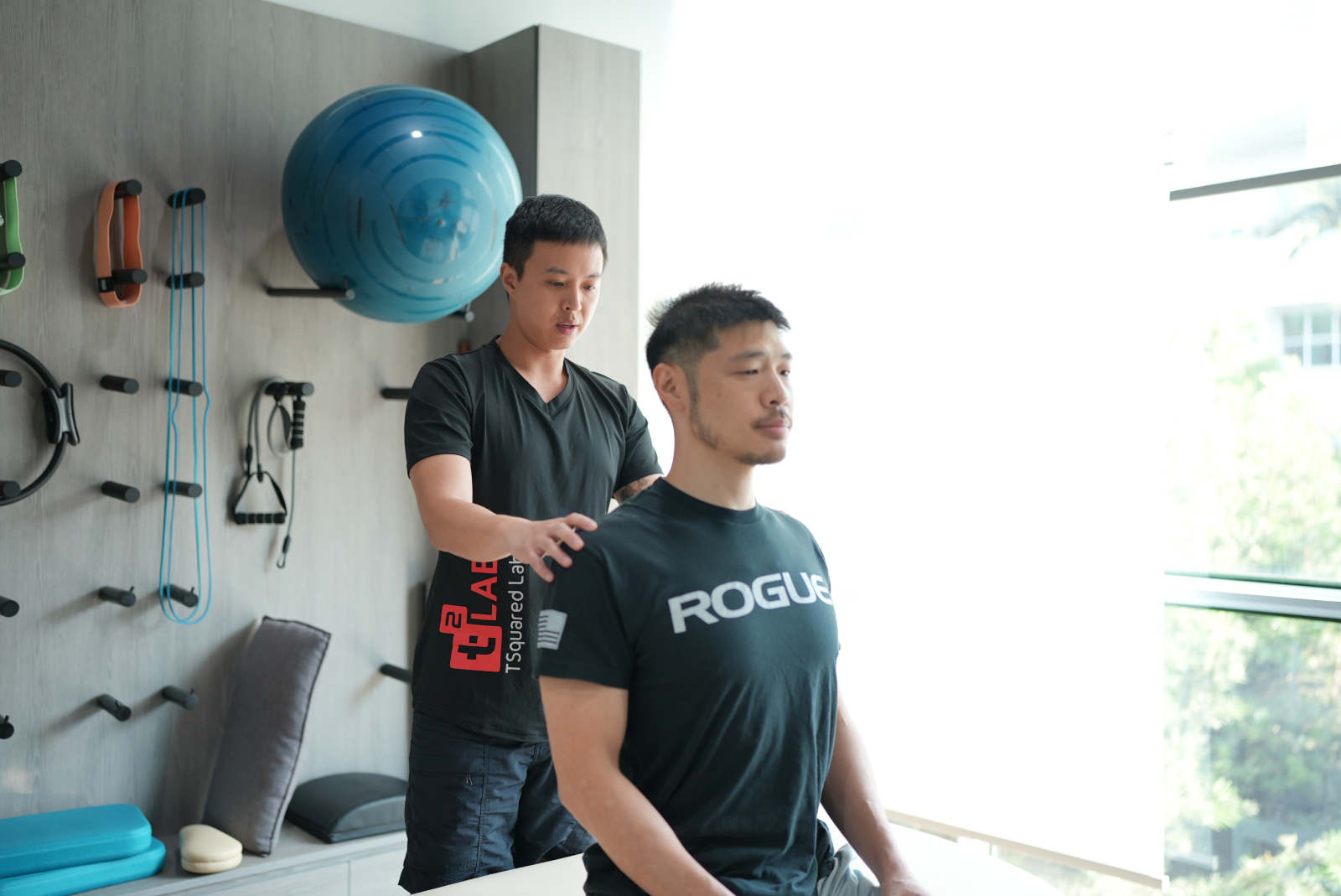
Recovering from surgery can be a challenging journey, often requiring patience, perseverance, and a structured approach to rehabilitation. One method that has gained significant recognition for its role in post-surgery recovery is Clinical Pilates. Known for its low-impact, controlled movements, Pilates offers a gentle yet effective way to restore post-surgical mobility, promote scar tissue healing, and gradually rebuild strength.
Understanding Post-Surgery Recovery Needs
After surgery, the body goes through a healing process that requires careful attention and proper care. Challenges such as reduced mobility, stiffness, and scar tissue formation are common hurdles. These issues, if not addressed, can restrict movement and prolong recovery time.
The tailored exercises in Clinical Pilates target specific post-surgery recovery needs, ensuring you can gradually restore your mobility and flexibility without risking further injury.
Clinical Pilates, with its tailored and patient-centric approach, has emerged as a preferred choice for individuals seeking a holistic recovery method.

Clinical Pilates: What It Is and How It Supports Recovery
When Richie underwent knee surgery after a sports injury, he faced weeks of limited mobility and discomfort. Frustrated with his slow progress, he turned to Clinical Pilates as part of his rehabilitation plan. Guided by a trained Clinical Pilates instructor, Richie engaged in gentle, targeted exercises that helped him regain strength and improve his range of motion. Within months, he not only recovered but felt stronger and more confident in her body than ever before.
Clinical Pilates is a specialised form of Pilates designed for individuals like Richie who are recovering from surgery or injury. Unlike traditional Pilates, which focuses on general fitness, Clinical Pilates is tailored to specific needs, with exercises guided by physiotherapists or certified instructors.
Guided by professionals such as physiotherapists or trained instructors, Clinical Pilates uses precise, low-impact movements to strengthen the core, improve posture, and enhance mobility after surgery. This makes it particularly suitable for post-surgery recovery, where each movement must be performed safely and with proper technique.
Also read: Can You Really Build Muscle With Pilates Reformer?
Benefits of Pilates for Post-Surgery Recovery
– Enhanced Post-Surgical Mobility
One of the most significant benefits of Clinical Pilates is its ability to improve mobility after surgery. Gentle, progressive movements encourage the restoration of range of motion, reducing stiffness and enhancing functional mobility over time.
– Scar Tissue Healing
Scar tissue often forms after surgery and can cause discomfort or limit flexibility. Pilates incorporates gentle stretching and targeted exercises that support the healing of scar tissue by promoting flexibility and preventing tight scar tissue. This, in turn, improves overall movement and comfort.
– Gradual Strengthening
Surgery often leaves certain muscles weakened or underused. Pilates focuses on gradual strengthening through low-impact exercises that activate specific muscle groups without overloading them. This method ensures that strength is built safely, minimising the risk of re-injury.
– Improved Body Flexibility
Flexibility is an essential component of recovery, especially for preventing stiffness and improving circulation. Clinical Pilates integrates stretching exercises that help elongate muscles, restore suppleness, and support overall recovery.

Examples of Rehabilitation Exercises in Clinical Pilates
Clinical Pilates offers a variety of exercises tailored to different surgical needs. Here are some examples:
- Leg Lifts: Ideal for improving lower body strength and mobility, particularly after knee or hip surgery.
- Spinal Mobility Exercises: Gentle movements like the “cat-cow” stretch help restore flexibility and reduce stiffness in the spine.
- Arm Circles: For shoulder surgery recovery, controlled arm circles improve range of motion and reduce tightness.
- Pelvic Tilts: These help strengthen the core and improve pelvic stability, often crucial after abdominal surgeries.
Each exercise is modified based on the type of surgery and the individual’s recovery stage, ensuring a safe and effective rehabilitation process.
How to Begin Clinical Pilates Post-Surgery
Getting started with rehabilitation through Clinical Pilates requires careful planning:
- Consult Your Healthcare Provider: Always get approval from your surgeon or physiotherapist before beginning any rehabilitation programme.
- Work with a Certified Instructor: Choose an instructor with experience in post-surgical rehabilitation to ensure exercises are tailored to your needs.
- Start Slow and Progress Gradually: Recovery is a journey, and it’s important not to rush. Begin with basic movements and gradually advance as your mobility and strength improve.
- Listen to Your Body: If an exercise causes discomfort or pain, stop immediately and consult your instructor or healthcare provider.
Also read: 7 Reasons to Add Pilates to Your Exercise Regime
Conclusion
Rehabilitation with Clinical Pilates provides a comprehensive approach to post-surgery recovery, addressing key aspects such as improving mobility after surgery, promoting scar tissue healing, and rebuilding strength through personalised exercises. Its tailored, low-impact movements ensure a safe and effective recovery process, helping you regain flexibility and confidence at your own pace.
With Clinical Pilates, recovery becomes more than just regaining mobility—it’s about rediscovering your strength, confidence, and the freedom to move without limitations.
TL;DR
Known for its low-impact, controlled movements, Clinical Pilates offers a gentle yet effective way to restore post-surgical mobility, promote scar tissue healing, and gradually rebuild strength.
Key Benefits:
- Enhances mobility and flexibility.
- Promotes scar tissue healing.
- Gradually strengthens weakened muscles.
- Prevents re-injury with safe, tailored exercises.
Rehabilitation Exercises in Clinical Pilates:
- Leg lifts for lower body mobility.
- Spinal stretches to reduce stiffness.
- Arm circles to improve shoulder movement.
- Pelvic Tilts help strengthen the core and improve pelvic stability.
Ready to Reclaim Your Mobility?
Work with our expert Pilates instructors to personalise your post-surgery recovery journey.