In a fitness culture that often glorifies intensity, metrics, and constant progress, flexibility and mobility are frequently treated as afterthoughts, warm-up fillers, or cooldown rituals that get skipped when time runs short. Yet ask any elite athlete, injury-free 50-year-old, or movement therapist, and you’ll hear the same truth: your ability to move well determines your ability to perform, recover, and age gracefully.
Enter stretch therapy.
Often misunderstood as passive or secondary, stretch therapy is a deeply intentional and science-informed practice designed to improve flexibility, release restrictions, rewire movement patterns, and reduce pain. It’s not simply about lengthening muscles; it’s about restoring the quality of movement, reducing compensations, and helping the body move in alignment with how it was built to function.
For those recovering from injury, dealing with chronic tightness, navigating age-related stiffness, or seeking better performance in the gym, stretch therapy is not a luxury; it’s a game-changing tool for longevity, recovery, and freedom of movement.
- What Is Stretch Therapy, Really?
- Why Modern Bodies Need Stretch Therapy More Than Ever
- The Science Behind Stretch Therapy: What Happens Beneath the Surface
- Who Benefits from Stretch Therapy?
- Stretch Therapy vs. Yoga, Mobility Work, and Massage: How It’s Different
- Stretch Therapy and the Longevity Equation
- Final Thoughts
What Is Stretch Therapy, Really?
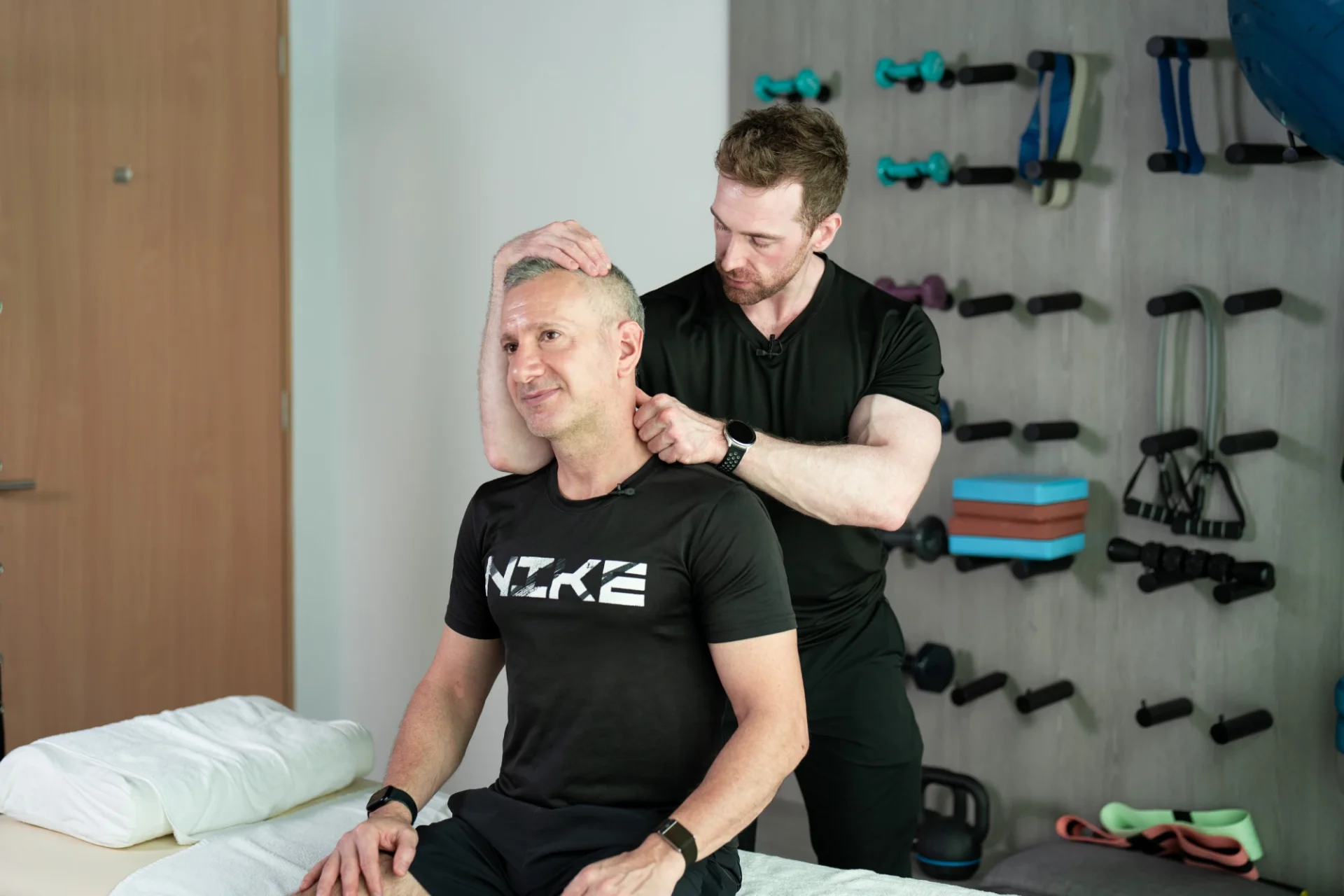
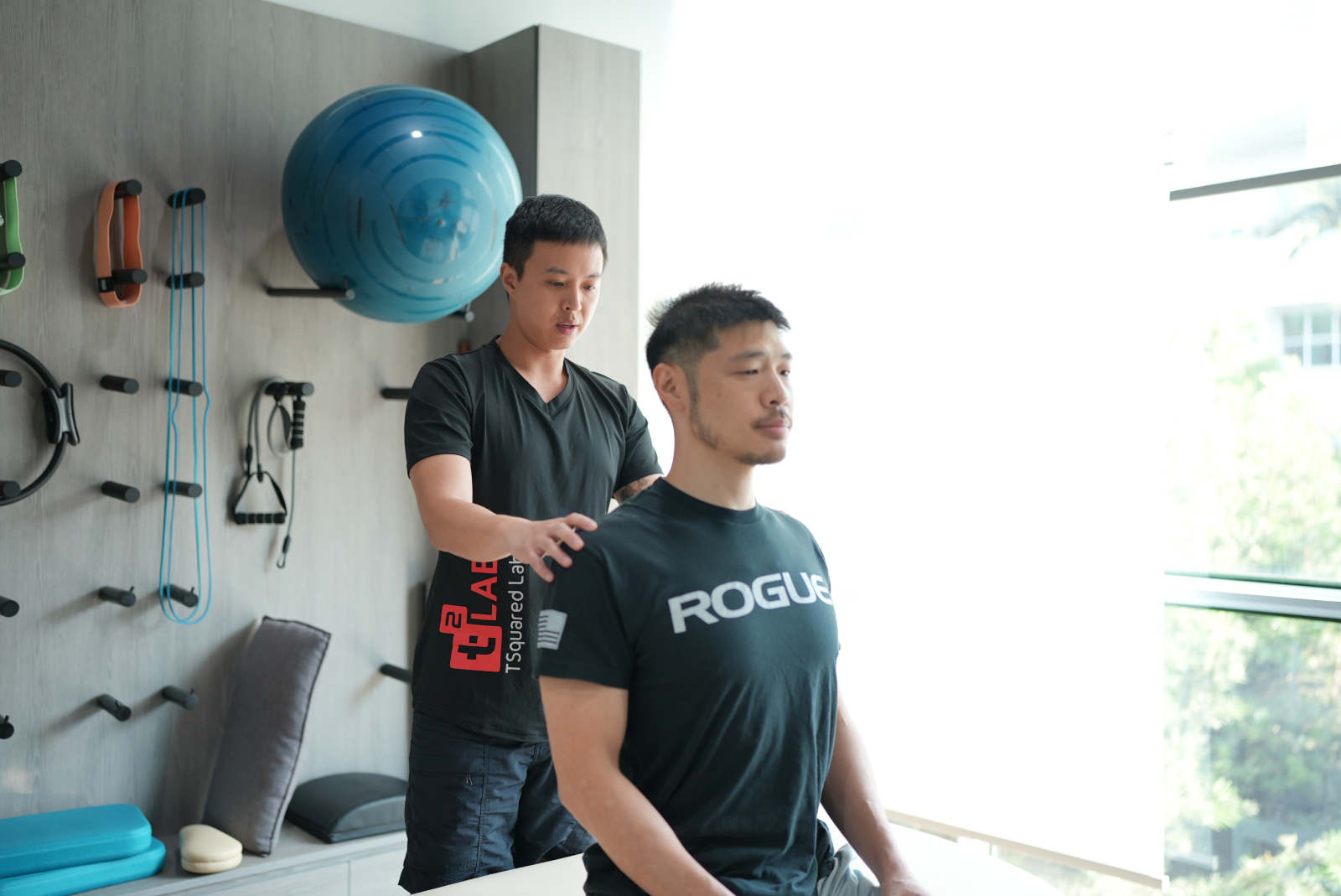
Stretch therapy is a structured, practitioner-led system that combines assisted stretching, neuromuscular techniques, and breathwork to release tension, improve range of motion, and rebalance the body. It differs from typical self-stretching or static holds in that it is interactive and individualised, often using a combination of passive stretches, PNF (proprioceptive neuromuscular facilitation), myofascial techniques, and joint mobilisation strategies.
The goal isn’t just to lengthen a tight muscle, but to identify what’s limiting your movement, is it the muscle itself? The fascia? A joint capsule? A neurological guarding response? The right kind of stretch therapy addresses not just the symptom, but the source.
Think of it as a personalised reset for the body, allowing stiff areas to move freely, weak areas to activate properly, and compensatory patterns to be dismantled. And unlike generic mobility drills, stretch therapy is guided by a trained professional who can assess posture, alignment, tension patterns, and movement history.

Why Modern Bodies Need Stretch Therapy More Than Ever
Modern life is biomechanically hostile. Hours of sitting, repetitive movement, tech-neck posture, and stress-induced muscular tension all contribute to tightness, dysfunction, and chronic pain. Over time, these patterns become hardwired, hip flexors shorten, shoulders round forward, thoracic spines lock up, and the lower back takes on far more stress than it was ever meant to handle.
The result? A growing epidemic of lower back pain, shoulder impingement, tight hamstrings, plantar fasciitis, tension headaches, and even digestive and breathing dysfunctions, all linked to compromised movement patterns.
Stretch therapy intervenes at the root. By releasing muscular tension, retraining range of motion, and re-integrating proper movement mechanics, it allows the body to function more efficiently, whether you’re lifting weights, running marathons, or simply getting out of bed pain-free.
It’s not about being hypermobile. It’s about being optimally mobile, strong, stable, and free within the ranges your body was built to own.

The Science Behind Stretch Therapy: What Happens Beneath the Surface
When you stretch a muscle, you’re not just pulling on fibres; you’re triggering a cascade of neurological, mechanical, and fascial responses. The brain plays a key role. It regulates how much tension a muscle holds through stretch reflexes and protective mechanisms. This is why many people feel “tight,” not because their muscles are physically short, but because the nervous system is guarding it.
This is where stretch therapy excels. Techniques like PNF stretching, where the muscle is contracted and then relaxed before a stretch, help retrain the brain to allow greater range. Breathwork and proprioceptive feedback further calm the nervous system, reduce sympathetic dominance (the fight-or-flight state), and promote parasympathetic activation, which supports healing and restoration.
At the fascial level, sustained assisted stretching can reduce densification, the thickening and stiffening of connective tissue that limits glide and movement. It also improves hydration and blood flow within the fascial matrix, making it feel smoother, more integrated, and less effortful.
The result isn’t just more flexibility, it’s repatterned movement, improved joint mechanics, better balance, reduced injury risk, and faster recovery.

Also read: How Osteopathy and Physiotherapy Support Recovery
Who Benefits from Stretch Therapy?
The short answer: almost everyone.
Athletes and fitness enthusiasts benefit from faster recovery, improved range of motion, and reduced injury risk. Desk-bound professionals experience relief from postural strain and chronic tightness. Older adults find renewed mobility, balance, and confidence in their movement. Even those undergoing rehabilitation post-surgery or injury often use stretch therapy to safely regain movement while protecting healing tissues.
But stretch therapy also holds profound value for women navigating hormonal transitions. Estrogen influences collagen and connective tissue elasticity, and its decline during menopause can lead to stiffness, joint discomfort, and reduced flexibility. Stretch therapy supports tissue quality, circulation, and nervous system regulation during these shifts, making it a powerful ally in healthy ageing.
It’s not about athleticism. It’s about accessibility. A body that can move well is a body that can train, heal, parent, work, and rest more effectively. Mobility is foundational to life, not just performance.

Stretch Therapy vs. Yoga, Mobility Work, and Massage: How It’s Different
Stretch therapy is not yoga, though both involve stretching. Yoga is a holistic practice rooted in philosophy, spirituality, and often self-led movement. Stretch therapy, on the other hand, is clinically informed and practitioner-guided, based on assessment, neuromuscular response, and tissue readiness.
It also differs from mobility drills, which focus more on active control within range of motion, and massage therapy, which addresses tissue quality but doesn’t always work through extended ranges of movement.
Stretch therapy often integrates elements of all three: like yoga, it incorporates breath and mindfulness; like mobility work, it enhances function and range; and like massage, it addresses tension and recovery.
But its superpower is precision. It targets specific limitations with tailored interventions, rather than offering generic stretches or static poses. This makes it not only safer for those with injuries or restrictions but also more effective for those who need structured progression.

Stretch Therapy and the Longevity Equation
As we age, the body naturally becomes less elastic. Joints stiffen, connective tissue thickens, and old injuries create compensations that limit how freely we move. Left unaddressed, this leads to reduced movement options, more mechanical stress on joints, and an increased risk of falls, pain, and dysfunction.
Stretch therapy slows and even reverses this process. It maintains joint space, nourishes connective tissues, improves posture, and ensures the body remains supple, coordinated, and pain-free. It complements strength training and cardio by ensuring the body can move through its full range without strain or compensation.
For anyone who values not just adding years to life, but life to years, stretch therapy is a non-negotiable pillar of preventive care.
Read more: The Posture and Pain Connection: All You Need to Know
Final Thoughts
In a world that demands constant output, stretch therapy is a chance to return to the body, to listen, to restore, and to move with more ease and intelligence. It is not passive. It is not soft. It is strategic, evidence-based, and empowering.
Whether you’re an athlete pushing your limits, a professional sitting for 10 hours a day, or simply someone who wants to move pain-free and age powerfully, stretch therapy offers what most programs miss: the space to move well, not just move more.
Because at the end of the day, it’s not the strongest or fastest body that lasts, it’s the most adaptable. And stretch therapy makes you adaptable to life.