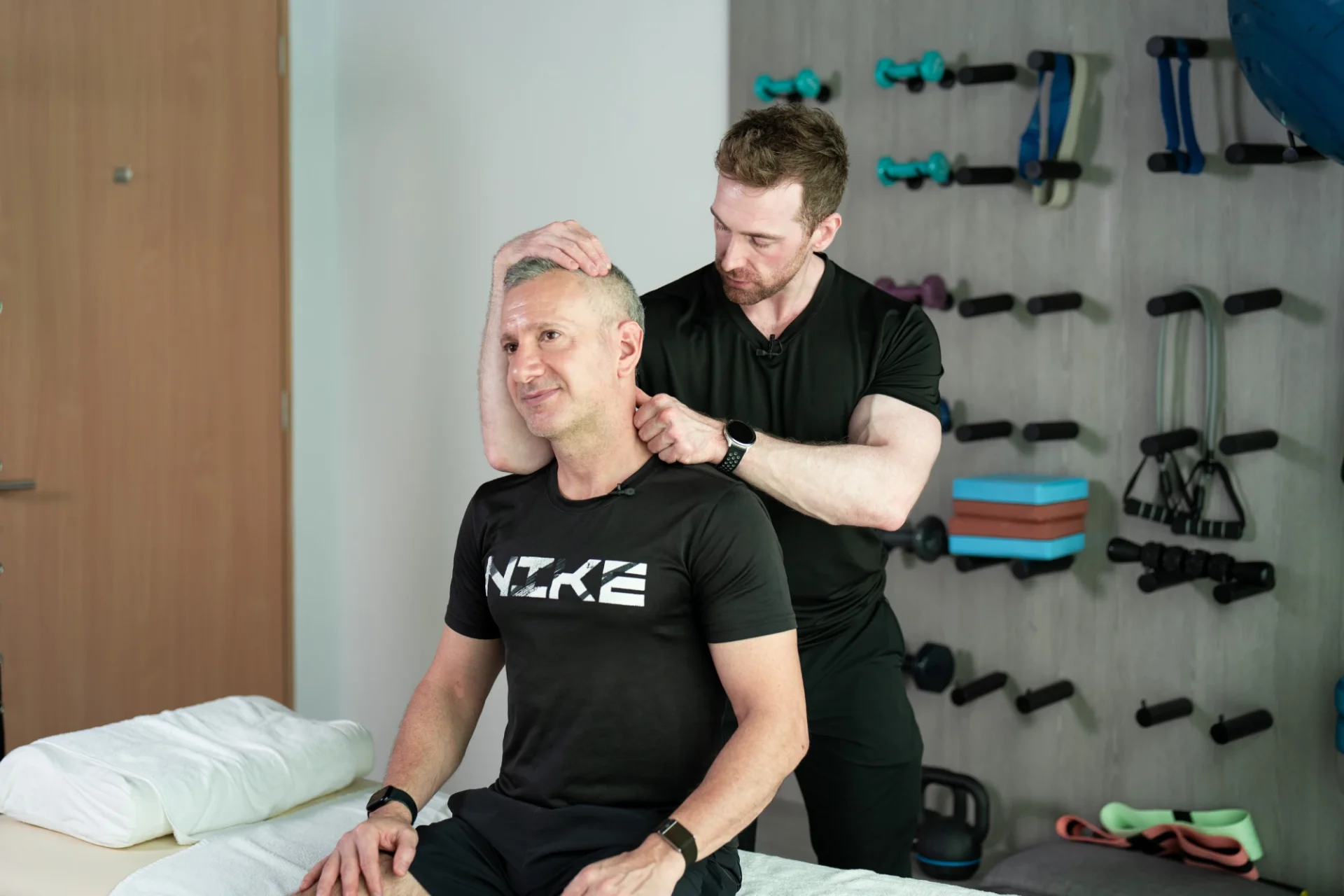
“Success in fitness isn’t found in shortcuts, but in the consistency of effort and dedication.”
Consistency in training forms the bedrock of any successful fitness journey. It’s the steady rhythm of effort and dedication that leads individuals toward their goals. Amongst the myriad of considerations in crafting an effective training regimen or finding the right personal trainer, one question often looms large: How many days a week should you train?
This question sparks a wide array of opinions and theories. Some advocate for daily sessions, citing the need for relentless pursuit of progress. Others preach moderation, emphasising the importance of rest and recovery. In this sea of advice, what would you choose?
In this blog, we’ll navigate the maze of training frequency, shedding light on the factors that influence how often you should hit the gym. From understanding the nuances of training goals to unravelling the intricacies of recovery, we’ll explore how to tailor your training frequency to your individual needs.

Understanding Training Frequency
Training frequency refers to how often you engage in structured physical activity or exercise sessions within a given timeframe. It’s a fundamental aspect of any workout regimen, influencing your progress, recovery, and overall fitness journey.
Breaking Down Training Frequency
At its core, training frequency is about finding the right balance between stimulus and recovery. When you work out, you subject your body to stress, prompting it to adapt and grow stronger during periods of rest. The frequency at which you train determines how often you provide your body with this stimulus, as well as how much time you allocate for recovery.
Key Factors Influencing Training Frequency
Several key factors influence how often you should train:
- Goals: Your training frequency should align with your specific fitness goals. For example, someone aiming to build muscle might benefit from more frequent training sessions compared to someone focused on improving endurance.
- Training Experience: Beginners may require more recovery time between sessions as their bodies adapt to new stimuli. On the other hand, experienced athletes may be able to handle higher training frequencies due to their advanced conditioning levels.
- Recovery Capacity: Each individual’s ability to recover from exercise varies based on factors such as age, genetics, nutrition, and sleep quality. It’s essential to listen to your body and adjust your training frequency accordingly to avoid overtraining and injury.
- Lifestyle and Schedule: Your daily commitments and schedule constraints play a significant role in determining your training frequency. While some may have the flexibility to work out multiple times per week, others may need to find creative ways to fit exercise into their busy lives.
Also read: Prenatal and Postnatal Physiotherapy: What New Moms Need to Know
Finding Your Optimal Training Frequency
The optimal training frequency is highly individualised and may require some experimentation. Here are some general guidelines to help you find the right balance:
- Start Slow: If you’re new to exercise or changing your routine, start with a conservative training frequency and gradually increase it as your body adapts.
- Listen to Your Body: Pay attention to how your body responds to your workouts. Signs of overtraining include persistent fatigue, decreased performance, and increased susceptibility to illness or injury. If you experience any of these symptoms, it may be a sign to dial back your training frequency.
- Be Flexible: Your training frequency may need to be adjusted based on changes in your goals, lifestyle, or recovery capacity. Don’t be afraid to experiment with different schedules to find what works best for you.
Understanding training frequency is key to optimising your workouts and achieving your fitness goals. By considering factors such as your goals, experience level, recovery capacity, and lifestyle, you can tailor your training frequency to suit your individual needs. Remember what we started this blog with, consistency is key, so find a frequency that you can sustain in the long term, and watch as your progress unfolds.
The Benefits of Training Frequency
Understanding the benefits of appropriate training frequency will help you optimise your exercise regimen to achieve maximum results:
- Enhanced Skill Acquisition and Motor Learning
Frequent practice leads to improved skill acquisition and motor learning. When you perform exercises more frequently, you develop better coordination, technique, and neuromuscular control. This increased proficiency not only enhances your performance in the gym but also translates to improved functionality in daily activities and sports. - Increased Muscle Protein Synthesis
Training frequency influences muscle protein synthesis, the process by which your body builds and repairs muscle tissue. By engaging in regular resistance training sessions, you stimulate muscle protein synthesis more frequently, promoting muscle growth and repair. This is particularly beneficial for individuals looking to build lean muscle mass and increase strength. - Elevated Metabolic Rate and Calorie Expenditure
Frequent exercise boosts your metabolic rate and calorie expenditure, both during and after your workouts. When you train more often, your body requires more energy to support muscle repair, recovery, and adaptation. This results in an elevated metabolic rate, which can help with weight management and fat loss goals. - Maintenance of Muscle Mass and Strength
Consistent training frequency is essential for maintaining muscle mass and strength over time. When you reduce the frequency of your workouts or take extended breaks from training, you risk losing muscle mass and experiencing declines in strength. By incorporating regular resistance training sessions into your routine, you can preserve your hard-earned gains and continue making progress toward your goals.
Also read: Hypertrophy Explained: Frequency Over Volume for Better Results
Finding Your Ideal Training Frequency
Determining the ideal training frequency for your individual needs and goals requires careful consideration and experimentation. While there is no one-size-fits-all approach, there are several factors to take into account when finding your optimal training frequency.
Consider Your Goals
Different goals may require different training frequencies to achieve optimal results. For example:
- Strength and Muscle Building: Individuals focused on building strength and muscle mass may benefit from training specific muscle groups multiple times per week.
- Fat Loss and Weight Management: Those aiming to lose fat and maintain a lean physique may benefit from a combination of resistance training and cardiovascular exercise performed on alternating days.
- General Health and Fitness: For overall health and fitness, a balanced approach that includes a combination of strength training, cardiovascular exercise, and flexibility training may be ideal.
Experiment and Adjust
Finding your ideal training frequency may require some trial and error. Experiment with different training schedules and frequencies to see what works best for you. Keep track of your progress and how your body responds to changes in your training regimen. Be open to making adjustments as needed to ensure that your workouts remain effective and sustainable in the long term.
Additionally, consider seeking guidance from a qualified personal trainer who can provide expert advice and assistance in tailoring your training frequency to your specific goals and needs. A knowledgeable trainer can help you navigate the nuances of training frequency and find the right balance that aligns with your objectives while optimising your results.
Remember to be patient and flexible as you navigate this journey, and trust that with time and consistency, you’ll find the training frequency that’s just right for you.
Also read: Benefits of Walking: The Most Underrated Exercise
Sample Training Schedules
Understanding the principles of training frequency is essential, but putting them into practice requires a well-structured training schedule. Here are some sample training schedules for various goals and experience levels to help you get started:
Beginner Full-Body Workouts (2-3 Times per Week)
If you’re new to exercise or returning after a long hiatus, starting with full-body workouts 2-3 times per week can be an excellent way to build a foundation of strength and fitness. Focus on compound exercises that target multiple muscle groups simultaneously, such as squats, deadlifts, push-ups, and rows.
Sample Schedule:
- Monday: Full-body workout A
- Wednesday: Full-body workout B
- Friday: Full-body workout A (or switch to workout C)
Intermediate Split Routines (4-5 Times per Week)
For those with some training experience looking to take their workouts to the next level, split routines can provide a more targeted approach to muscle development. Split your workouts into different muscle groups or movement patterns, such as upper body/lower body or push/pull/legs.
Sample Schedule:
- Monday: Upper body (chest, back, shoulders)
- Tuesday: Lower body (legs, glutes)
- Wednesday: Rest or active recovery
- Thursday: Push (chest, shoulders, triceps)
- Friday: Pull (back, biceps)
- Saturday: Legs (quads, hamstrings, calves)
- Sunday: Rest or active recovery
Advanced Training Splits (5-6 Times per Week)
For advanced trainees looking to maximise muscle growth and strength gains, more frequent training sessions may be necessary. Utilise specialised training splits that target specific muscle groups or prioritise weak areas for additional focus and development.
Sample Schedule:
- Monday: Chest and triceps
- Tuesday: Back and biceps
- Wednesday: Legs (quads, hamstrings, calves)
- Thursday: Shoulders and traps
- Friday: Arms (biceps, triceps, forearms)
- Saturday: Rest or active recovery
- Sunday: Full-body metabolic conditioning or rest
Also read: Training History and Programming: Why They Matter?
Tips for Success:
- Progressive Overload: Continuously strive to increase the intensity or volume of your workouts over time to stimulate muscle growth and adaptation.
- Proper Nutrition and Recovery: Ensure you’re fueling your body with the nutrients it needs to support your training regimen and prioritising adequate rest and recovery between sessions.
- Listen to Your Body: Pay attention to signs of fatigue, overtraining, or injury, and adjust your training schedule as needed to prevent burnout and maintain long-term progress.
By following a well-designed training schedule that aligns with your goals and experience level, you can maximise the effectiveness of your workouts and make consistent progress towards your fitness objectives. Remember to stay patient, stay consistent, and enjoy the journey as you work towards becoming the best version of yourself.
Conclusion
Finding the optimal training frequency is a dynamic and individualised process that requires careful consideration of your goals, experience level, and lifestyle. By understanding the principles of training frequency and experimenting with different schedules, you can tailor your workouts to suit your unique needs and preferences.
Whether you’re a beginner embarking on your fitness journey, or an intermediate looking to progress to the next level, or an advanced athlete seeking to fine-tune your training regimen, the key is to find a balance that allows you to make consistent progress while avoiding burnout and injury.
Remember, there is no one-size-fits-all approach to training frequency. What works for one person may not work for another, so it’s essential to listen to your body, stay flexible, and be willing to adjust your approach as needed.
Ultimately, success in fitness is not about finding shortcuts or following rigid rules; it’s about cultivating a sustainable, balanced approach to exercise that supports your long-term health and well-being. By finding the right training frequency for you and staying committed to your goals, you can unlock your full potential and achieve lasting results.
So, whether you’re hitting the gym three times a week or training six days a week, embrace the journey, celebrate your progress, and enjoy the transformative power of consistent effort and dedication.
Key Takeaways
- Personalised Training Frequency: The ideal number of training days per week varies based on individual goals, experience, recovery ability, and lifestyle. Beginners often need more rest, while experienced athletes can handle more frequent sessions.
- Consistency is Crucial: Long-term success in fitness comes from consistent effort rather than intense, short-term bursts. It’s important to find a sustainable training frequency that you can maintain over time.
- Balance Stimulus and Recovery: Effective training requires balancing workout intensity with adequate recovery to avoid overtraining and injuries. Pay attention to signs of overtraining like persistent fatigue and decreased performance.
- Flexible Approach: Be prepared to adjust your training frequency as your goals, lifestyle, or recovery needs change. Experiment with different routines to find what works best for you and stay open to modifying your plan as needed.
Ready to take the next step in your fitness journey? Contact us today to schedule a consultation with one of our expert trainers and receive personalised guidance on finding the right training frequency for your goals. Let’s work together to achieve your fitness aspirations and create a healthier, happier you!
Read similar articles: