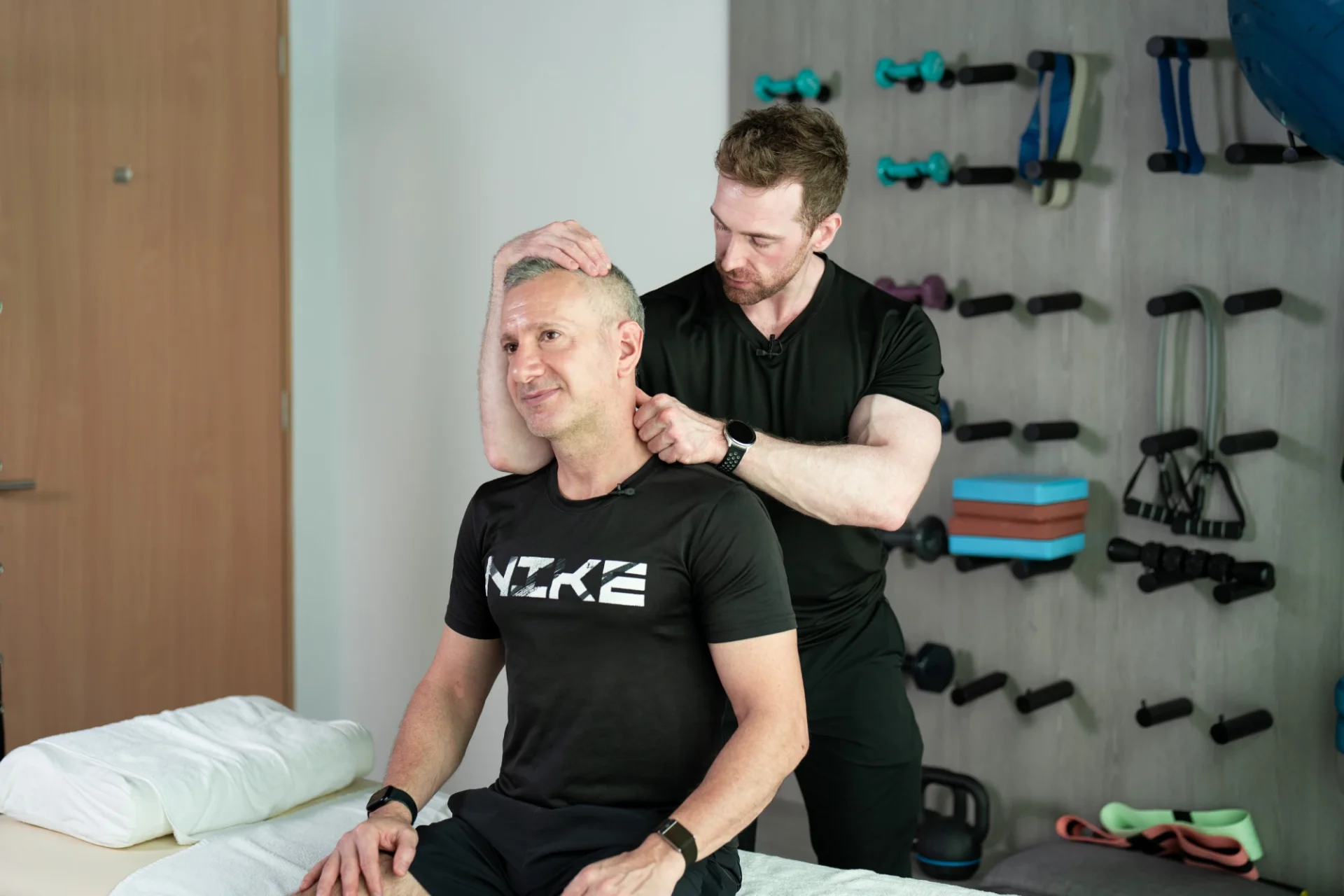
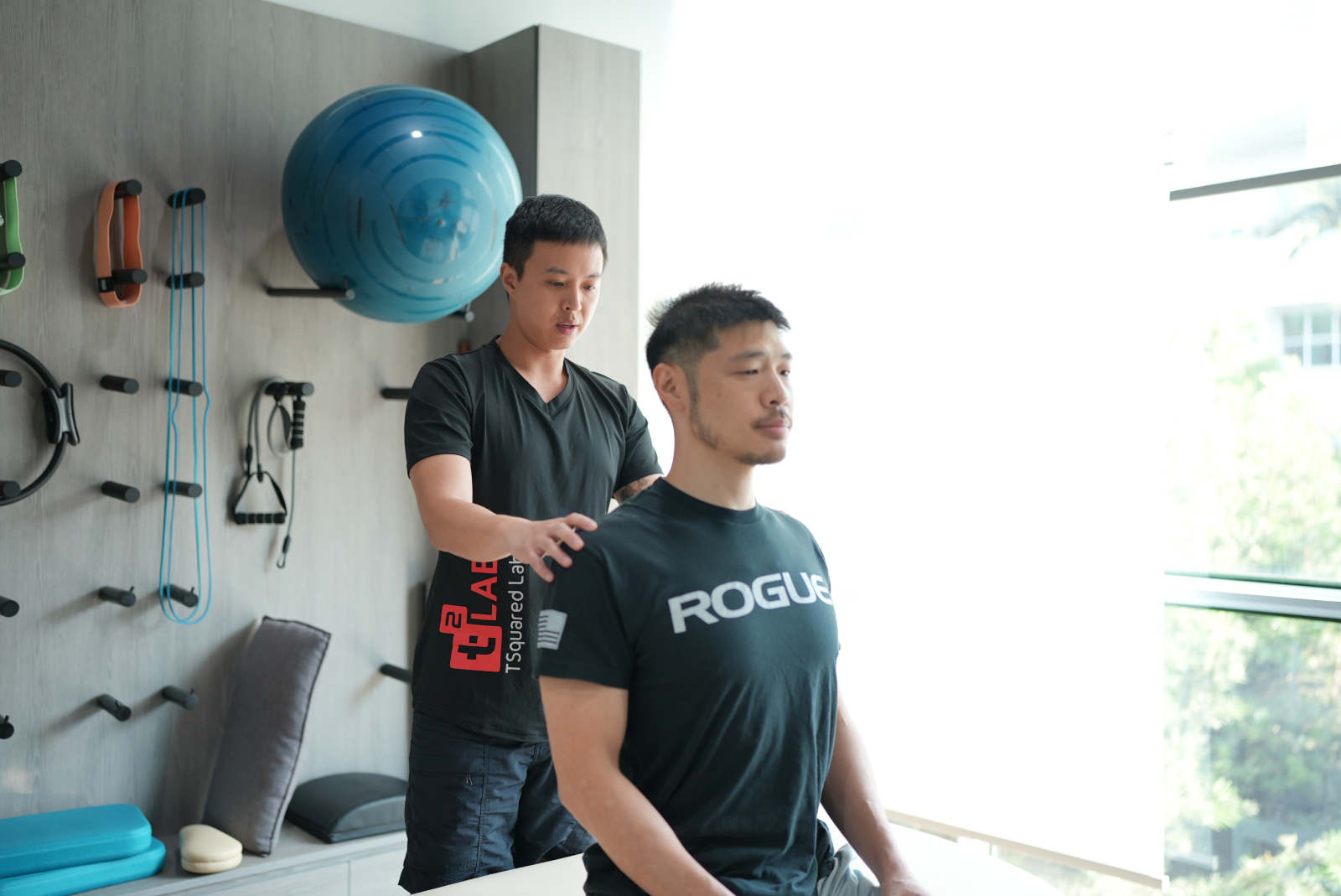
In today’s fast-paced world, our bodies often bear the brunt of modern life. From managing pain and recovering from injuries to maintaining mobility, the right therapeutic approach can transform your well-being. Two standout methods in physical health—Osteopathy and Physiotherapy—are complementary therapies that together create a powerful synergy for recovery and long-term health.
This blog explores how osteopathy and physiotherapy work, their unique benefits, and how they combine to deliver a holistic recovery approach that supports sustainable health.

What is Osteopathy?
Osteopathy is a holistic healthcare practice that focuses on the interconnection between the body’s structure and function. By employing manual therapy techniques, osteopathy aims to enhance the body’s natural ability to heal itself.
Key principles of osteopathy:
The Body as a Whole: Osteopaths treat the body as an integrated system where every part works in harmony.
Manual Therapy: Techniques like massage, joint manipulation, and stretching are used to improve mobility, reduce pain, and promote healing.
Self-Healing: Osteopathic treatments realign and balance the body, encouraging natural recovery processes.
Conditions osteopathy commonly treats:
Musculoskeletal pain (e.g., back pain, neck pain).
Headaches and stress-related tension.
Postural issues and mobility restrictions.
Also read: 4 Common Myths About Physiotherapy
What is Physiotherapy?
Physiotherapy is a science-based profession that emphasises restoring movement, improving strength, and facilitating rehabilitation. It is essential for enhancing physical function and preventing injury recurrence.
Key principles of physiotherapy:
Focus on Movement: Physiotherapists analyse movement patterns and design customised rehabilitation plans.
Therapeutic Techniques: Exercises, manual therapy, and advanced modalities like ultrasound or electrical stimulation.
Functional Recovery: It directly targets injuries and conditions, helping restore optimal function and mobility.

Conditions physiotherapy commonly addresses:
Post-surgical recovery.
Chronic pain syndromes (e.g., arthritis, fibromyalgia).
Neurological disorders (e.g., stroke recovery).
Also read: Prenatal and Postnatal Physiotherapy: What New Moms Need to Know
How Osteopathy and Physiotherapy Differ
Despite their shared goals of alleviating pain and enhancing mobility, osteopathy and physiotherapy differ in their approaches:
| Aspect | Osteopathy | Physiotherapy |
| Philosophy | Philosophy Holistic view of the body as a whole | Targeted focus on specific injuries or functions |
| Techniques | Manual therapy (e.g., massage, joint adjustments) | Exercise, manual therapy, and advanced modalities |
| Approach | Relieves tension, realigns the body | Improves strength, mobility, and function |

Also read: Pilates for Post-surgery Recovery
How Osteopathy and Physiotherapy Complement Each Other
By combining their strengths, osteopathy and physiotherapy deliver comprehensive care:
Osteopathy’s role: Prepares the body by correcting misalignments and improving mechanics.
Physiotherapy’s role: Strengthens and rehabilitates specific areas for functional recovery.
Example Case Study:
Mick with chronic back pain undergoes osteopathic treatment to realign the spine and relieve tension. Subsequently, physiotherapy exercises strengthen the core muscles and improve flexibility, resulting in pain relief and better posture.
Benefits of Combining Osteopathy and Physiotherapy
The integration of osteopathy and physiotherapy offers several benefits:
Holistic Recovery: Simultaneously addresses structural imbalances and functional impairments.
Faster Healing: Dual approaches enhance treatment outcomes.
Long-Term Health: Prevent injury recurrence through proper alignment and strength-building.
Who Can Benefit from Both Therapies?
A combined approach is ideal for:
Athletes recovering from injuries.
Individuals with chronic pain or poor posture.
Pre- and postnatal discomfort.
Post-surgical patients needing rehabilitation.
Also read: Dealing With Chronic Pelvic Pain? Here’s How Physiotherapy Can Help
Why Choose TSquared Lab for Integrated Therapy?
At TSquared Lab, we specialise in merging osteopathy and physiotherapy to offer a client-centric recovery journey.
Personalised Care Plans: Tailored to your unique needs.
State-of-the-Art Facilities: Equipped with advanced technologies.
Expert Professionals: Skilled in integrating osteopathy and physiotherapy for optimal outcomes.
Whether you’re managing chronic pain, recovering from surgery, or seeking enhanced well-being, we’re here to guide you every step of the way.
Conclusion
By integrating osteopathy and physiotherapy, patients benefit from faster healing, improved mobility, and a resilient body. At TSquared Lab, we believe in empowering you through this combined approach, ensuring not just recovery but long-term wellness.
Take the first step toward better health
Book a consultation today to discover how our therapies can transform your recovery journey.
FAQs
1. Can I do both therapies simultaneously?
Yes! Many patients benefit from receiving both osteopathic treatments and physiotherapy concurrently for optimal results.
2. How long does it take to see results?
Results vary by individual; however, many patients notice improvements within a few sessions when combining both therapies.
3. Are these therapies covered by insurance?
Coverage depends on your insurance plan; it’s best to check with your provider regarding benefits for osteopathy and physiotherapy services.
4. Are osteopathic treatments painful?
Osteopathic treatments are generally not painful; however, some techniques may cause temporary discomfort, especially if an area is particularly tense or injured. It’s important to communicate with your osteopath about any discomfort you experience during treatment.
5. What types of conditions can osteopathy treat?
Osteopathy can effectively treat a wide range of conditions including back pain, neck pain, headaches, sports injuries, arthritis, and stress-related tension.
6. How does physiotherapy help in recovery after surgery?
Physiotherapy plays a crucial role in post-surgical recovery by helping patients regain strength, improve mobility, and reduce pain through tailored rehabilitation exercises and manual therapy techniques.
TL;DR
- Osteopathy realigns the body, and physiotherapy restores movement for holistic recovery.
- Combining these therapies enhances healing, mobility, and strength.
- Ideal for chronic pain, injuries, and post-surgical rehabilitation.
Read more: Dry Needling Explained: A Powerful Tool for Pain Relief and Recovery