What if the answer to living longer and feeling younger doesn’t lie in a supplement or a skincare serum, but in a pair of dumbbells?
At TSquared Lab, we believe ageing is not a process to fear. It’s something to train for.
Strength training is one of the most powerful and underutilised tools for enhancing longevity. Beyond aesthetics or performance, lifting weights helps you retain the very essence of youth, vitality, function, independence, and mental clarity. The best part? This isn’t a vague promise. It’s grounded in hard science.
Let’s explore how and why strength training can act as the real fountain of youth.
- Why Do We Age? Understanding the Biology Behind Decline
- The Science-Backed Case for Strength Training
- Strength Training is More Than Just “Fitness”
- 2. Rewiring Ageing from the Inside Out
- The Brain on Weights: A Cognitive Advantage
- Real Results, Real People: Stories from TSquared Lab
- Why TSquared Lab is Built for Longevity
Why Do We Age? Understanding the Biology Behind Decline
Ageing impacts nearly every system in the body. It’s not just about surface-level changes like wrinkles or fatigue, it’s about a progressive loss of function at the cellular and systemic level.
One of the earliest and most significant age-related changes is sarcopenia, the loss of skeletal muscle mass and strength. After the age of 30, most people lose muscle at a rate of about 1–1.4% per year. This contributes to frailty, loss of mobility, insulin resistance, and increased fall risk. According to research published by the National Strength and Conditioning Association, this loss is not inevitable; with the right intervention, it can be slowed or reversed (PubMed).
Simultaneously, bone density begins to drop. Postmenopausal women can lose up to 20% of their bone mass in just a few years. This makes bones brittle, increasing fracture risk. Additionally, ageing is associated with reduced insulin sensitivity, which makes it harder for the body to regulate blood sugar, raising the risk of type 2 diabetes and metabolic syndrome (Nature).
Cognitive decline is also common. From the age of 60, executive function and memory begin to diminish by 1–2% annually. But emerging research suggests strength training can play a significant role in maintaining brain health as we age (PubMed).

Also read: 5 Benefits You Get From Personal Training
The Science-Backed Case for Strength Training
1. Reducing Risk of Death
One of the most striking findings in recent literature is that people who engage in regular resistance training live longer. A meta-analysis of over 10 studies revealed that strength training was associated with a 15% reduction in all-cause mortality and a 19% reduction in cardiovascular mortality. The optimal dosage? Just around 60 minutes per week (PubMed Meta-Analysis).
2. Reverses Sarcopenia and Builds Strength
Muscle isn’t just about strength, it’s a functional organ that supports metabolism, mobility, and injury prevention. Progressive resistance training has been proven to increase muscle mass, slow or reverse sarcopenia, and significantly improve balance and coordination, especially in older adults.
Importantly, strength gains are not just for the young. People in their 70s and 80s have shown remarkable improvements in muscle strength and functional independence after beginning resistance training. It’s never too late to start.
3. Improves Bone Health
Strength training applies mechanical load to bones, stimulating the production of new bone tissue. High-quality studies, such as the LIFTMOR trial, have demonstrated that even high-intensity resistance training is safe and effective for increasing bone mineral density, especially in populations most at risk of osteoporosis, such as postmenopausal women. The result is fewer fractures, better posture, and increased stability.
4. Enhances Metabolic and Cardiovascular Function
Weight training plays a crucial role in managing and preventing metabolic disease. By improving insulin sensitivity, reducing visceral fat, and positively influencing lipid profiles, strength training supports a healthier cardiovascular system. It has been shown to lower resting blood pressure and regulate blood glucose, two critical markers for long-term heart and metabolic health.

Also read: Dad Bod: A Wake-up Call to Take Charge of Your Health
Strength Training is More Than Just “Fitness”
Many people still equate lifting weights with looking muscular. But its deeper benefits reach far beyond body composition.
Strength training boosts the body’s metabolic rate, allowing for better fat oxidation and energy balance. It enhances joint integrity by strengthening connective tissues and stabilising muscles that support movement. It supports hormonal function by stimulating the production of growth hormone, testosterone, and IGF-1, all of which naturally decline with age.
It also improves mobility, posture, and balance, three factors that define our independence as we age.
This makes strength training not just a fitness tool, but a foundational strategy for graceful ageing.
2. Rewiring Ageing from the Inside Out
Muscle as a Longevity Organ
Muscle plays a central role in maintaining overall health. It acts as a glucose sink, regulates inflammation, and produces myokines, proteins that have anti-inflammatory, fat-burning, and even anti-tumour effects. Losing muscle, therefore, doesn’t just mean less strength. It increases vulnerability to metabolic diseases and accelerates the ageing process.
Neural and Motor Adaptation
Within weeks of starting strength training, your nervous system becomes more efficient. It begins recruiting more motor units and firing more effectively, improving strength, reaction time, and coordination. This is especially beneficial for older adults, who often experience better balance and stability even before they see visible muscle gain.
Epigenetic Benefits
Recent studies have shown that resistance training positively affects gene expression. It promotes cellular repair, improves immunity, and enhances neuroplasticity. One study even found that it supports telomere health, those protective caps on DNA strands that shorten with age, signalling cellular decline. Strength training may slow down how fast your cells age.
Hormonal Support and Inflammation Reduction
Strength training stimulates the production of critical hormones associated with youth and recovery. At the same time, it triggers the release of myokines like IL-6 and irisin, which combat chronic inflammation. This combination supports better metabolic regulation, brain health, and cardiovascular resilience.

Also read: Unlocking Longevity With TSquared Lab’s Expertise
The Brain on Weights: A Cognitive Advantage
One of the lesser-discussed benefits of strength training is its profound impact on the brain. Regular resistance training increases BDNF (brain-derived neurotrophic factor), which supports memory, learning, and mental clarity. It promotes neurogenesis in the hippocampus, an area deeply involved in memory formation.
It also plays a role in emotional regulation. Strength training has been shown to reduce symptoms of anxiety and depression, thanks to its impact on neurotransmitters like dopamine and serotonin. For many clients, lifting weights becomes not just physical training, but mental therapy.
Muscle Memory: A Lifelong Advantage
Perhaps one of the most encouraging aspects of resistance training is that its effects are long-lasting. When you build muscle, your cells gain additional nuclei. Even if you stop training, these nuclei remain for years, allowing you to regain strength and muscle much faster if you resume. This phenomenon, muscle memory, means the earlier you start, the more advantages you bank for the future.
Real Results, Real People: Stories from TSquared Lab
At TSquared Lab, we have witnessed firsthand how strength training transforms lives across all ages.
Poh Lin, in her 50s, transformed her mindset around fitness after years of physical setbacks. With structured training, she rebuilt her confidence, strength and found joy in movement again.
Rajesh, a father of two, dropped over 12 kilograms while gaining strength and endurance. What started as a personal goal evolved into a new, sustainable lifestyle that inspired his entire family.
Leong, who once feared gyms, overcame weight gain, poor posture, and self-doubt through consistent strength training. He not only lost fat but dramatically improved his physique and mental discipline.
Brian, post-shoulder surgery, was told he might never regain full strength. Today, he lifts heavier than he did in his 20s, with zero pain, proving that age and injury are not limitations.
These are not isolated cases. Each story is a testament to what becomes possible when science, consistency, and belief come together. These are not exceptions, they are the new standard of ageing well.

Why TSquared Lab is Built for Longevity
At TSquared Lab, longevity is not a buzzword, it’s a commitment embedded in every aspect of what we do. We don’t approach ageing through fitness alone. Instead, we unite three critical pillars: evidence-based training, proactive healthcare, and targeted nutrition.
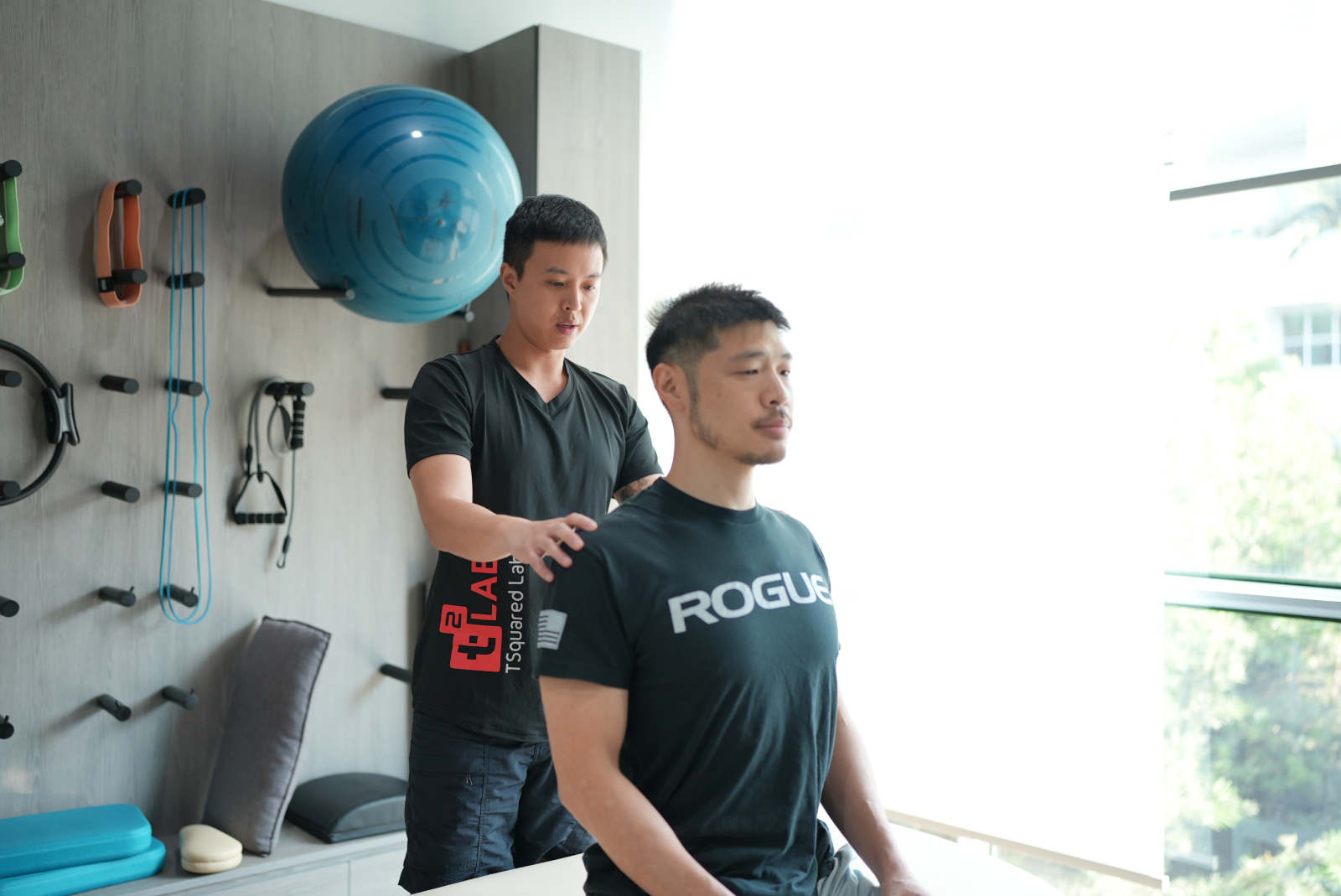
Our fitness programs are tailored to help clients build functional strength, mobility, and resilience. But true transformation goes deeper. Every client begins with a comprehensive health assessment that considers posture, muscle imbalances, medical history, hormonal status, and stress levels. This data helps us build intelligent, personalised training plans aligned with each client’s physiology and goals.
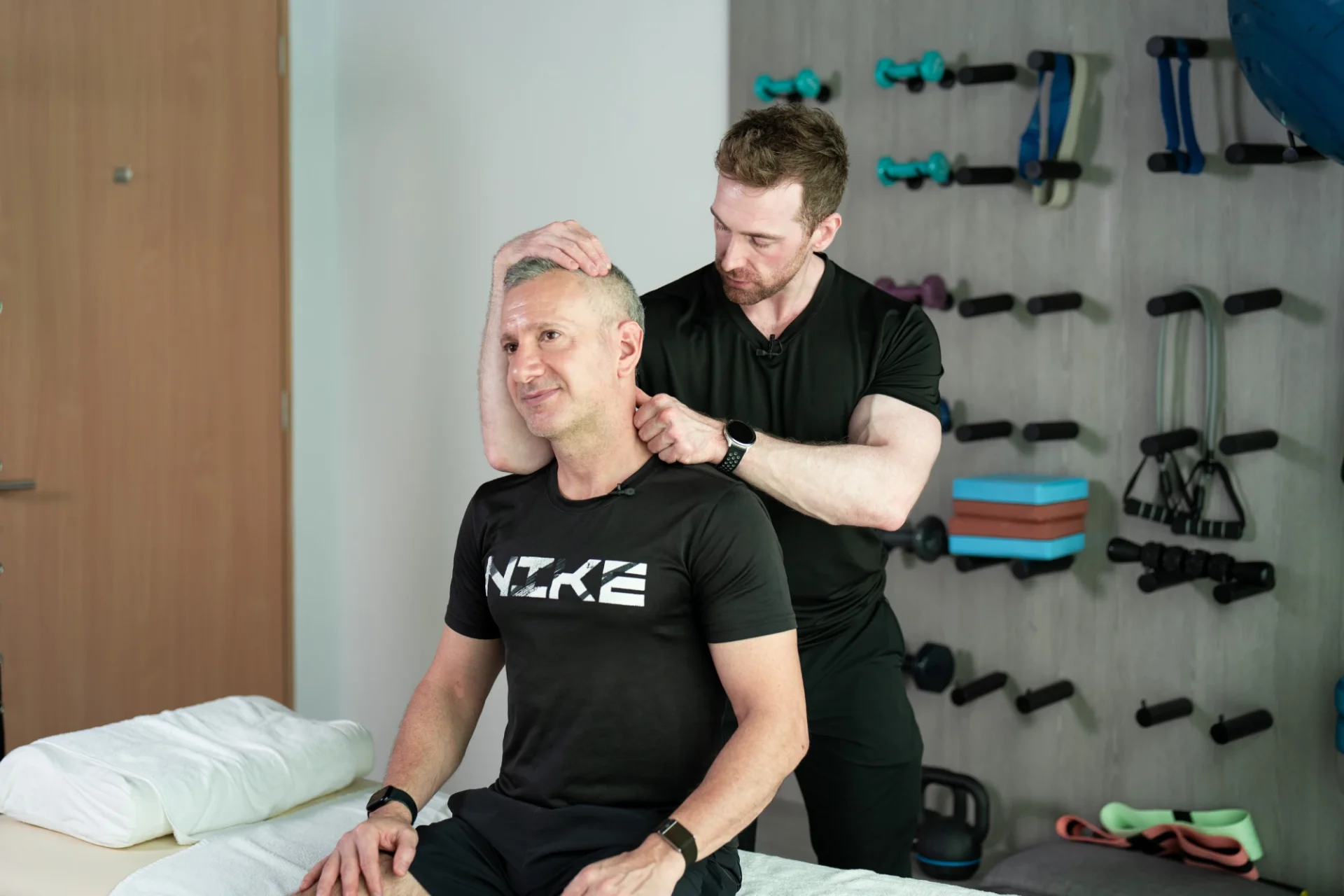
On the health front, our in-house physiotherapists at TSquared Physio work closely with our training team to address pain, prevent injury, and restore optimal movement. Whether someone is recovering from surgery, managing chronic pain, or improving posture, our approach ensures that every rep is rooted in safety and science.
Complementing this is our precision-driven nutrition support. We go beyond calorie counts to offer plans that support metabolic health, hormonal balance, and recovery, especially crucial for clients navigating life stages such as menopause, andropause, or post-rehabilitation. Along with that, we have TSquared Eats that plays a pivotal role. Designed by expert nutritionists and chefs, TSquared Eats delivers fresh, macro-balanced meals aligned to your fitness goals, health conditions, and lifestyle needs. Whether you’re managing blood sugar, supporting hormonal shifts, or fuelling performance, our meal prep solutions take the guesswork out of healthy eating. It’s convenience without compromise, delivered daily to support your journey.
When fitness, health, and nutrition work together under one roof, the result isn’t just a stronger body, it’s a biologically younger one. That’s what makes TSquared Lab more than a gym. It’s a longevity-focused total transformation ecosystem, designed to help you thrive for decades to come.
Final Takeaway: It’s Time to Lift Differently
If you want to age well, weight training is not optional; it’s essential. The research is clear, the results are measurable, and the benefits are life-changing.
At TSquared Lab, we help you build more than just muscle. We help you build a future you’re excited to live in.
Start now. Your strongest, sharpest years are still ahead.
Looking for a Personal Trainer to guide you in every step?
Our team of body transformation experts excels at helping clients lose fat and increase muscle mass.
Also read: The Importance of Strength Training for Women in Menopause