Introduction: The Silent Joint Shift
Most conversations about menopause focus on hot flushes, sleep disruption, mood changes, and the hormonal fluctuations that drive them. What receives considerably less attention, despite being one of the most frequently reported and functionally significant symptoms of the menopausal transition, is what happens to the joints.
Joint pain, stiffness, reduced mobility, and a general sense that the body is moving differently than it used to are experienced by approximately 71 percent of women during perimenopause and menopause, according to Lu and colleagues’ 2020 systematic review published in Climacteric. In many cases, these symptoms are dismissed as a normal consequence of ageing, attributed to overuse or previous injury, or simply not connected to the hormonal transition that is producing them.
This is the Silent Joint Shift: the gradual, often unacknowledged process by which declining oestrogen alters the structural and functional integrity of the joints, connective tissues, and surrounding musculature. It is silent not because it is subtle, but because it is consistently undertreated, underinvestigated, and underconnected to its hormonal cause.

Understanding the Silent Joint Shift matters clinically. It changes what assessment should include, what intervention is appropriate, and what outcomes are realistic. And for the many women who have been told that joint pain is simply part of getting older, it offers a more accurate and considerably more actionable explanation.
What Oestrogen Does for the Joints
Oestrogen is not primarily thought of as a joint hormone. But its role in musculoskeletal health is substantial, and the effects of its decline become visible relatively quickly once the perimenopausal transition begins.
Synovial Fluid and Joint Lubrication
Oestrogen influences the production and viscosity of synovial fluid, the lubricating fluid that fills the joint cavity and allows the articular surfaces to move against each other with minimal friction. As oestrogen levels decline, synovial fluid production can reduce and its lubricating properties can alter, contributing to the joint stiffness and the sensation of grinding or friction during movement that many women in perimenopause describe.
This change in synovial fluid dynamics is one of the earliest and most consistent expressions of the Silent Joint Shift. It precedes visible structural changes in the joint and is often the mechanism behind the morning stiffness and reduced initial range of motion that women notice before any other musculoskeletal symptom becomes apparent.
Collagen and Connective Tissue Integrity
Oestrogen plays a significant role in collagen synthesis and maintenance. Collagen is the primary structural protein in tendons, ligaments, cartilage, and the capsule surrounding each joint. Research by Calleja-Agius and Brincat, published in Gynecological Endocrinology in 2012, demonstrated that oestrogen withdrawal is associated with reduced collagen synthesis and accelerated collagen degradation, producing connective tissues that are less resilient, less elastic, and more vulnerable to the mechanical stresses of everyday movement and structured exercise.
The practical consequence is a joint environment in which the passive stabilising structures, the ligaments and joint capsule, provide less mechanical support than they did before the hormonal transition. This increased laxity in some areas and reduced elasticity in others alters movement mechanics, changes load distribution across the joint surface, and increases the injury risk associated with activities that were previously well within the individual’s capacity.
Inflammatory Regulation
Oestrogen has anti-inflammatory properties that are only fully appreciated when it begins to decline. It modulates the activity of pro-inflammatory cytokines, including interleukin-1 and tumour necrosis factor alpha, which are the same inflammatory mediators implicated in rheumatoid arthritis and other inflammatory joint conditions. As oestrogen levels fall, the joint environment becomes more permissive of inflammation, and the threshold at which mechanical stress triggers an inflammatory response decreases.
This is why joint pain during menopause often presents as disproportionate to the apparent mechanical cause. The joint is not necessarily being loaded beyond what it has previously tolerated. It is being loaded in a joint environment that is more sensitive to that load than it was before the Silent Joint Shift began.
Muscle Mass and Periarticular Support
Oestrogen influences muscle protein synthesis and the maintenance of muscle mass. As it declines, the rate of muscle loss accelerates, and the muscles surrounding the joints, which provide the dynamic stability that passive structures alone cannot deliver, become less effective. Reduced periarticular muscle mass and strength increases the mechanical demand on the joint itself, accelerates cartilage loading, and compounds the structural vulnerability that declining collagen synthesis has already introduced.
This interaction between hormonal change, connective tissue remodelling, and muscle loss is what makes the Silent Joint Shift a systemic process rather than an isolated joint problem. Addressing any single component in isolation produces limited and often temporary results.
Which Joints Are Most Affected and Why
The Silent Joint Shift does not affect all joints equally. The pattern of joint involvement in menopausal musculoskeletal symptoms is clinically recognisable and reflects the specific demands placed on each joint and the degree to which each depends on oestrogen-mediated tissue integrity.
The Hands and Wrists
Hand and finger joint pain is one of the most frequently reported and most diagnostically confusing menopausal musculoskeletal symptoms. The small joints of the hands are richly supplied with oestrogen receptors, making them particularly sensitive to hormonal change. Morning stiffness in the fingers, reduced grip strength, and pain with fine motor tasks are common presentations that often appear in perimenopause before other joint symptoms become prominent.
The clinical significance of this pattern is that it is frequently misdiagnosed as early rheumatoid arthritis or dismissed as non-specific. A thorough assessment that includes the hormonal context is essential for accurate diagnosis and appropriate management.
The Knees

The knee is the joint most commonly associated with menopausal joint pain in the clinical literature, and the connection is well-documented. Oestrogen receptors are present in the cartilage, synovial membrane, and ligaments of the knee, and the loss of oestrogen-mediated support accelerates cartilage degradation, reduces ligament tensile strength, and increases the inflammatory sensitivity of the synovial tissue.
Srikanth and colleagues, in a meta-analysis published in Osteoarthritis and Cartilage in 2005, found that women demonstrate significantly higher prevalence, incidence, and severity of osteoarthritis than men across the age range studied. Lu and colleagues, in a 2020 systematic review published in Climacteric, documented that this sex difference is most pronounced during the perimenopausal and postmenopausal period, a pattern that strongly implicates the hormonal transition rather than ageing alone as the primary driver.
The Hips
Hip joint pain during menopause reflects both the direct effects of oestrogen withdrawal on the joint itself and the secondary consequences of the muscle loss and altered movement mechanics that accompany it. Reduced hip abductor and external rotator strength, combined with changes in joint lubrication and connective tissue integrity, produces a joint environment in which everyday loading activities, walking, climbing stairs, rising from a chair, generate more discomfort than they previously did.
The hip is also the joint through which postural adaptation and pelvic alignment changes are most immediately expressed. The Silent Joint Shift at the hip frequently presents as a combination of reduced range, altered movement patterns, and pain that is not localised to the joint itself but distributed through the lower back, the groin, and the lateral thigh.
The Spine
Spinal joint pain during menopause is driven by a combination of oestrogen-related changes in the intervertebral disc, the facet joints, and the supporting musculature. Disc dehydration accelerates with oestrogen decline, reducing the shock-absorbing capacity of the spine and altering load distribution through the facet joints. Combined with the postural changes that accompany muscle weakness and the increased inflammatory sensitivity of the joint environment, spinal pain becomes one of the most prevalent and functionally limiting expressions of the Silent Joint Shift.
Why the Silent Joint Shift Is Consistently Missed

Several factors contribute to the consistent under-recognition of menopausal joint pain as a distinct clinical presentation requiring specific assessment and management.
Attribution to Ageing
The most common reason menopausal joint symptoms go underinvestigated is that they arrive at an age when joint pain is culturally expected. Women in their late forties and fifties who report joint stiffness and pain are frequently told that this is a normal part of getting older, an explanation that is both inaccurate and clinically unhelpful. Ageing does produce musculoskeletal changes, but the timing, pattern, and rate of change that characterise the Silent Joint Shift are specifically hormonal in origin, and the distinction matters because the hormonal and the mechanical components of the picture respond to different interventions.
Symptom Overlap with Other Conditions
The joint symptoms of menopause overlap clinically with several other conditions, including rheumatoid arthritis, fibromyalgia, and hypothyroidism, all of which are also more common in women and all of which can present or worsen during the menopausal transition. Without a thorough assessment that includes the hormonal context, these conditions can be misdiagnosed in either direction, with menopausal joint pain treated as inflammatory arthritis or inflammatory arthritis missed because it has been attributed to menopause.
The Absence of Imaging Findings
Menopausal joint pain often precedes the structural changes that would be visible on imaging. The synovial fluid changes, the early connective tissue remodelling, and the inflammatory sensitisation that characterise the early Silent Joint Shift do not produce findings on standard X-ray. Women who present with joint pain and return with normal imaging are frequently reassured and discharged without investigation of the functional and hormonal contributors that are driving their symptoms.
How Physiotherapy Addresses the Silent Joint Shift

Physiotherapy cannot replace declining oestrogen, and where hormonal management is clinically appropriate, that conversation belongs with TSquared Health. What physiotherapy can do is address the structural and functional consequences of the Silent Joint Shift in a targeted and evidence-based way, reducing pain, restoring mobility, building the periarticular strength that the hormonal environment is no longer adequately supporting, and preventing the secondary movement pattern changes that compound the primary hormonal effect over time.
Clinical Assessment of the Full Picture
At TSquared Physio, every client presenting with joint symptoms during the menopausal transition begins with a thorough clinical assessment that examines the joint-level presentation, the surrounding muscle function, the movement patterns that have adapted in response to pain or reduced range, and the hormonal context in which the symptoms are occurring. This is a different starting point from a standard musculoskeletal assessment, and the difference is clinically significant.
A joint that is painful and stiff in the context of declining oestrogen, reduced collagen synthesis, and early periarticular muscle loss requires a strategy built around those specific contributors. A strategy designed for a mechanical overuse injury in a hormonally stable individual will not produce the same outcomes when applied to the Silent Joint Shift.
Joint Mobility and Tissue Work
Restoring joint range and reducing the stiffness that characterises the Silent Joint Shift requires targeted manual therapy and mobility work calibrated to the specific joint presentation. Synovial fluid circulation, which is reduced by the hormonal changes of menopause, is directly improved by movement, and a physiotherapy strategy that prioritises regular, varied movement through the affected joints addresses the lubrication deficit that drives early stiffness.
Connective tissue work, including myofascial release and joint mobilisation, addresses the changes in tissue extensibility that oestrogen withdrawal produces and restores the movement quality that altered connective tissue mechanics have compromised.
Periarticular Strengthening

Building and maintaining strength in the muscles surrounding the affected joints is the most durable intervention available for managing the Silent Joint Shift over time. Strong periarticular muscles reduce the mechanical demand on the joint itself, improve the dynamic stability that declining passive structures can no longer fully provide, and counteract the accelerated muscle loss that accompanies the hormonal transition. Research by Berin and colleagues, published in Maturitas in 2019, found that structured resistance training produced significant reductions in hot flush frequency and improvements in overall menopausal symptom management in postmenopausal women, supporting structured exercise as a core component of the clinical response to the Silent Joint Shift.
The strengthening strategy at TSquared Physio is progressive and specific: calibrated to the individual’s current capacity, designed around the joints most affected by the Silent Joint Shift, and progressed in coordination with TSquared Lab coaches where a return to structured training is part of the client’s goals. This coordination ensures that loading advances within parameters informed by the physiotherapy assessment rather than independent of it.
Movement Pattern Re-education
Pain changes how people move. The movement adaptations that develop in response to menopausal joint pain, the altered gait, the avoided ranges, the compensatory postures, become patterns in their own right and produce secondary loading on structures that were not part of the original problem. Movement pattern re-education identifies and corrects these compensatory patterns, ensuring that the physiotherapy work is building on a movement foundation that will support the individual’s long-term function rather than entrench the adaptations that pain has introduced.
Osteopathic Management of Structural Contributors
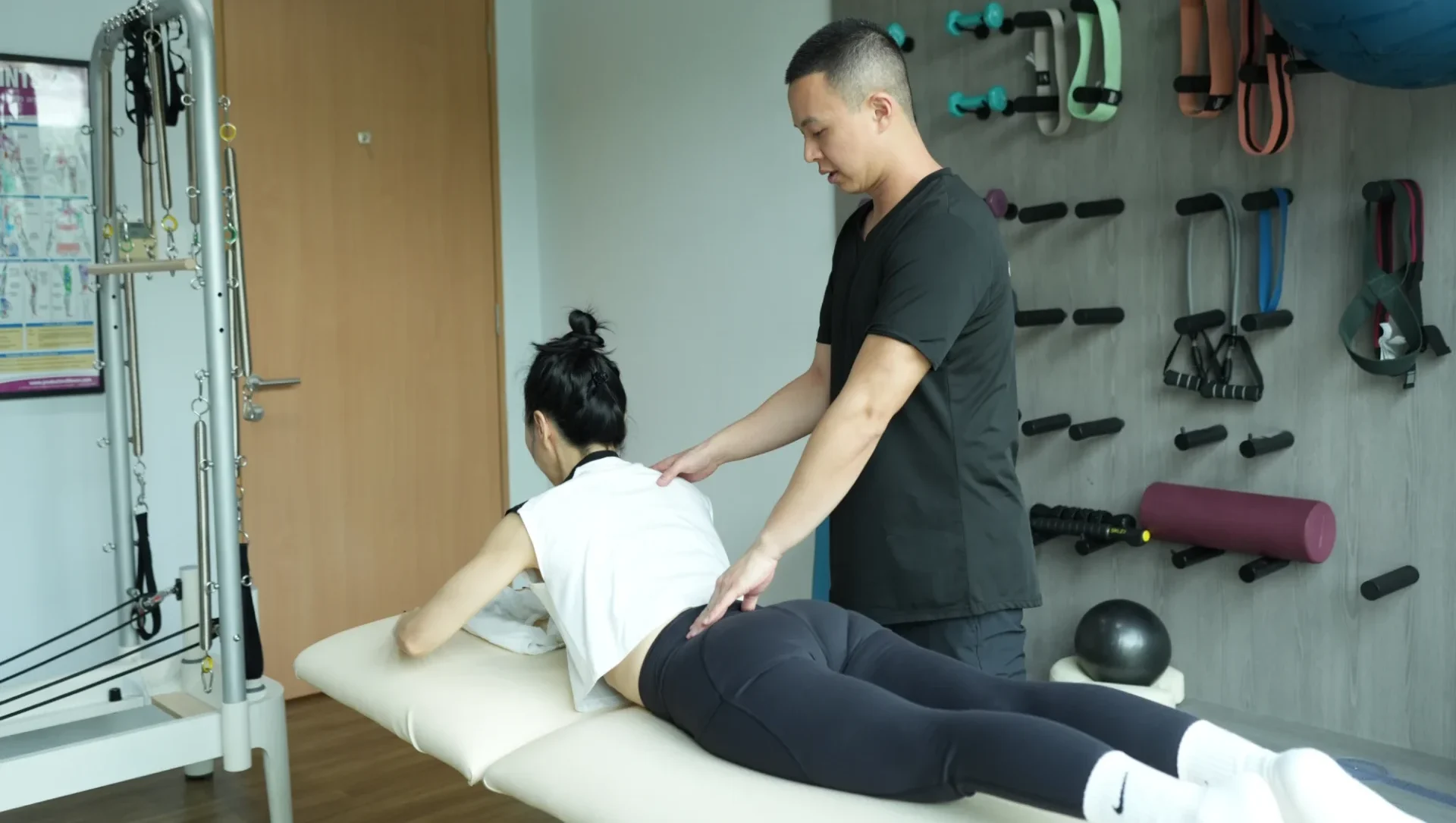
Where the Silent Joint Shift has produced significant joint restriction or altered mechanics through the spine and pelvis, osteopathic treatment provides the structural intervention that addresses these contributors directly. Restoring joint mobility and reducing the compensatory tissue tension that builds around restricted joints creates the structural conditions in which the strengthening and movement work can be most effective. At TSquared Physio, osteopathy and physiotherapy work as coordinated modalities within the same clinical strategy, not as separate offerings.
The Role of Nutrition and Systemic Health

The Silent Joint Shift does not occur in isolation from the rest of what is happening in the body during the menopausal transition. Systemic inflammation, driven by the same hormonal changes that alter joint health, is a significant contributor to the overall symptom picture. Nutritional adequacy, particularly adequate protein for muscle maintenance, vitamin D for bone and joint health, and omega-3 fatty acids for their anti-inflammatory properties, directly influences how the musculoskeletal system responds to the hormonal environment of menopause.
For clients whose nutritional intake is not adequately supporting their physiological needs during the menopausal transition, TSquared Eats provides meal plans calibrated to health and rehabilitation goals, reducing the inflammatory load and supporting the tissue repair processes that physiotherapy is working to stimulate.
Where the symptom picture suggests systemic contributors beyond the musculoskeletal, including thyroid dysfunction, elevated inflammatory markers, or hormonal imbalances that warrant clinical management, TSquared Health provides the physician-led assessment that completes the clinical picture. The interaction between hormonal status and musculoskeletal function is bidirectional, and the most effective outcomes for the Silent Joint Shift are produced when both dimensions are addressed. The subjective sense of recovery does not always match what the biology is doing: the Recovery Illusion, explored in depth in the TSquared Health library at /blog/the-recovery-illusion, documents exactly this gap, and it is directly relevant to clients whose recovery from the Silent Joint Shift feels slower than expected despite consistent physiotherapy engagement.
TSquared Physio: Women’s Musculoskeletal Health Across Every Stage
At TSquared Physio, the menopausal transition is recognised as a distinct clinical context that requires a distinct clinical approach. The Silent Joint Shift is not a normal part of ageing to be managed with reassurance and analgesia. It is a specific, hormonally driven musculoskeletal process that responds to targeted physiotherapy intervention and that, left unaddressed, compounds progressively as the hormonal environment continues to change.
Every client presenting with joint symptoms during perimenopause or menopause at TSquared Physio receives a clinical assessment that integrates the hormonal context with the musculoskeletal findings. The strategy built from that assessment is specific to the individual’s presentation, progressive in its loading, and coordinated with the broader TSquared ecosystem where the clinical picture warrants it.
The Silent Joint Shift is real, it is clinically significant, and it is largely addressable. The first step is having someone look at the full picture.
Book an appointment with TSquared Physio.

FAQs
Is joint pain a normal part of menopause?
Joint pain is common during menopause, affecting approximately 71 percent of women during the perimenopausal and postmenopausal period according to Lu and colleagues’ 2020 systematic review. Common, however, does not mean inevitable or untreatable. The Silent Joint Shift has a specific hormonal mechanism that drives the musculoskeletal changes, and those changes respond to targeted physiotherapy intervention. Accepting joint pain as a normal and permanent consequence of menopause is both inaccurate and clinically unnecessary.
How do I know if my joint pain is related to menopause?
Several features suggest that joint pain is driven by the Silent Joint Shift rather than by a purely mechanical or inflammatory cause. Symptoms that appeared or worsened in the perimenopausal period, joint stiffness that is worst in the morning and improves with movement, pain that is symmetrical or involves multiple joints simultaneously, and the absence of a clear mechanical trigger all point toward a hormonal component. A clinical assessment that includes the hormonal context will identify the relative contribution of hormonal and mechanical factors and guide the appropriate strategy.
Can physiotherapy help with menopausal joint pain if I am not on hormone replacement therapy?
Yes. Physiotherapy addresses the structural and functional consequences of the Silent Joint Shift directly, regardless of whether hormonal management is part of the overall treatment plan. Joint mobility work, periarticular strengthening, movement pattern re-education, and osteopathic management of structural contributors all produce meaningful clinical outcomes in the menopausal joint presentation independently of hormonal status. For some clients, physiotherapy is the primary intervention. For others, it works alongside hormonal management as part of a more comprehensive approach.
Which joints are most commonly affected by menopause?
The hands and fingers, knees, hips, and spine are the joints most frequently affected by the Silent Joint Shift. The pattern reflects the distribution of oestrogen receptors in joint tissue and the degree to which each joint depends on oestrogen-mediated connective tissue integrity and synovial fluid dynamics. Hand and finger stiffness is often the earliest sign, while knee and hip symptoms tend to be the most functionally limiting.
Will my joint pain improve after menopause?
The trajectory varies considerably between individuals. Some women find that joint symptoms stabilise or improve as the body adapts to the new hormonal baseline of the postmenopausal period. Others experience progressive worsening, particularly in joints where the structural changes of the Silent Joint Shift have been compounded by reduced muscle mass and altered movement patterns over time. Early intervention is associated with better outcomes because it addresses the functional consequences of the Silent Joint Shift before they become entrenched.
Is menopausal joint pain the same as arthritis?
Not necessarily, though the two can coexist and the distinction is clinically important. Menopausal joint pain driven by the Silent Joint Shift is a hormonally mediated musculoskeletal condition that responds to physiotherapy and, where appropriate, hormonal management. Osteoarthritis is a degenerative joint condition that can be accelerated by the hormonal changes of menopause but has its own structural pathology and clinical management pathway. Inflammatory arthritis, including rheumatoid arthritis, is an autoimmune condition that can present or worsen during the menopausal transition. A thorough clinical assessment distinguishes between these presentations and guides the appropriate intervention.
Can I still train and exercise with menopausal joint pain?
Not only can you, but structured exercise is one of the most evidence-supported interventions for managing the Silent Joint Shift. The key is that the exercise strategy needs to be calibrated to the joint presentation and the individual’s current capacity, with appropriate loading that builds periarticular strength without aggravating the affected joints. A physiotherapy assessment provides the clinical foundation for that calibration. For clients whose goals include returning to or maintaining structured training, coordination between TSquared Physio and TSquared Lab ensures that the training strategy is informed by the clinical assessment and progressed appropriately.
What should I eat to support my joints during menopause?
Adequate protein intake is essential for maintaining the muscle mass that supports joint function and for supporting the collagen synthesis that oestrogen is no longer adequately driving. Vitamin D and calcium support bone health at a time when bone loss is accelerating. Omega-3 fatty acids, found in oily fish, flaxseed, and walnuts, have well-documented anti-inflammatory properties that are particularly relevant given the increased inflammatory sensitivity of the joint environment during the Silent Joint Shift. Reducing ultra-processed food and refined carbohydrates supports the overall inflammatory load. TSquared Eats provides meal plans calibrated to these nutritional priorities without adding to the logistical demands of managing the menopausal transition.