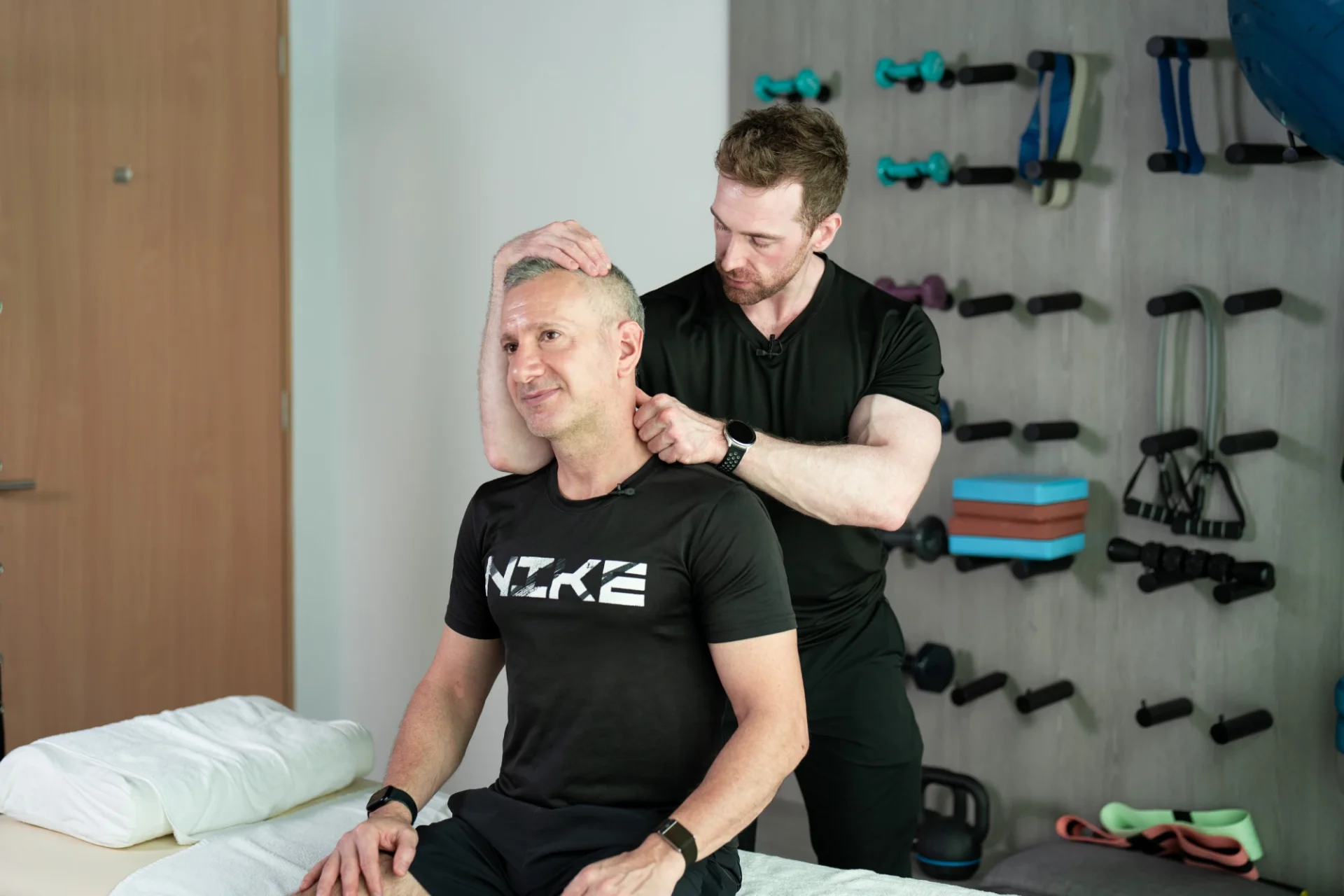
Healing is More Than Physical
Physiotherapy is often perceived as purely physical: a journey of movement correction, strengthening, stretching, and functional retraining. But anyone who has navigated pain, injury, or rehabilitation knows that the healing process is as much mental and emotional as it is physical.
Pain itself is a complex, biopsychosocial phenomenon, influenced not only by tissue injury but also by stress, anxiety, fear of re-injury, and negative thought patterns. This is why mindfulness has emerged as a powerful, evidence-supported complement to physiotherapy, helping patients build resilience, manage pain perception, and stay engaged in the recovery process.
At TSquared Physio, we encourage our clients to view mindfulness not as a separate discipline but as an integrated mindset that can enhance the effectiveness of their rehabilitation.
The Science Behind Mindfulness and Pain
Chronic pain alters the nervous system, heightening sensitivity to discomfort and creating a feedback loop where stress and worry exacerbate symptoms. Research shows that mindfulness techniques, practices that cultivate present-moment awareness without judgment, can interrupt this loop.
Studies published in journals like Pain and The Journal of Physiotherapy demonstrate that mindfulness reduces pain intensity, improves tolerance, lowers anxiety levels, and enhances emotional regulation in people recovering from injury or surgery. Importantly, it doesn’t “cure” pain but changes the relationship patients have with pain, reducing fear and avoidance behaviours that can prolong dysfunction.
This is particularly valuable in a physiotherapy setting, where adherence to rehabilitation exercises and confidence in movement are critical to success.
Breathing as a Mindfulness Anchor

Breath awareness is one of the simplest yet most powerful mindfulness techniques that can be integrated into physiotherapy. Controlled diaphragmatic breathing helps reduce muscle tension, lowers heart rate, and shifts the body from a sympathetic “fight-or-flight” state into a parasympathetic “rest-and-repair” mode, ideal conditions for recovery.
Before, during, and after exercises, encouraging patients to return their focus to steady, deep breathing improves movement quality, reduces bracing and compensatory tension patterns, and supports relaxation even when discomfort is present.
In our work at TSquared Physio, we often coach clients to pause and breathe intentionally between repetitions or stretches, not only to improve performance but to increase their awareness of how their body feels and responds.
Body Scanning: Awareness Leads to Control
A body scan is a mindfulness practice where attention is deliberately directed to different parts of the body in sequence, observing sensations without judgment or reaction. For physiotherapy clients, this technique builds proprioceptive awareness, helping them reconnect with areas that may feel stiff, weak, or altered after injury or surgery.
By practising a simple body scan, lying down or seated comfortably, patients can notice subtle differences in muscle tone, asymmetries in movement, or areas of guarded tension. This heightened body awareness allows for better technique during rehabilitation exercises and more informed feedback to the therapist, improving treatment outcomes.
Mindful Movement: Quality Over Quantity

Mindful movement is not just about yoga or Pilates. It’s about approaching all exercises with deliberate attention to alignment, breath, effort, and sensation. Physiotherapy often involves retraining basic movements that may have become dysfunctional or compensatory due to pain, weakness, or immobility.
When patients rush through exercises mindlessly, they risk reinforcing poor patterns or aggravating healing tissues. Conversely, approaching each repetition slowly, with awareness of posture, breath, and muscle engagement, improves neuromuscular control and accelerates motor learning, the process by which new, healthy movement patterns replace old ones.
In this way, mindfulness ensures that every exercise is not just performed, but performed well, maximising therapeutic benefit.
Cultivating Patience and Reducing Frustration

Injury recovery can be an emotional rollercoaster. Progress can feel slow, setbacks may occur, and pain can fluctuate from day to day. Mindfulness provides tools for patients to manage this uncertainty with greater equanimity.
Rather than attaching to outcomes (“Why isn’t my range of motion better yet?”), Mindfulness helps patients focus on the process: showing up, moving with care, resting with intention, and trusting the natural rhythms of healing. This mindset reduces frustration, improves adherence to rehabilitation programs, and builds the emotional resilience needed for long-term recovery.
Final Thoughts
Physiotherapy is not just a physical process. It engages the whole person, body, mind, and emotions. Mindfulness is a powerful ally in this journey, helping patients manage pain perception, improve body awareness, perform exercises with greater precision, and navigate the ups and downs of recovery with grace.
At TSquared Physio, we integrate mindfulness principles into our rehabilitation philosophy, ensuring that every client is not only restoring movement but doing so with awareness, intention, and confidence.
Healing is never purely about tissues. It is about restoring trust in the body, and mindfulness can be the key that unlocks that trust.