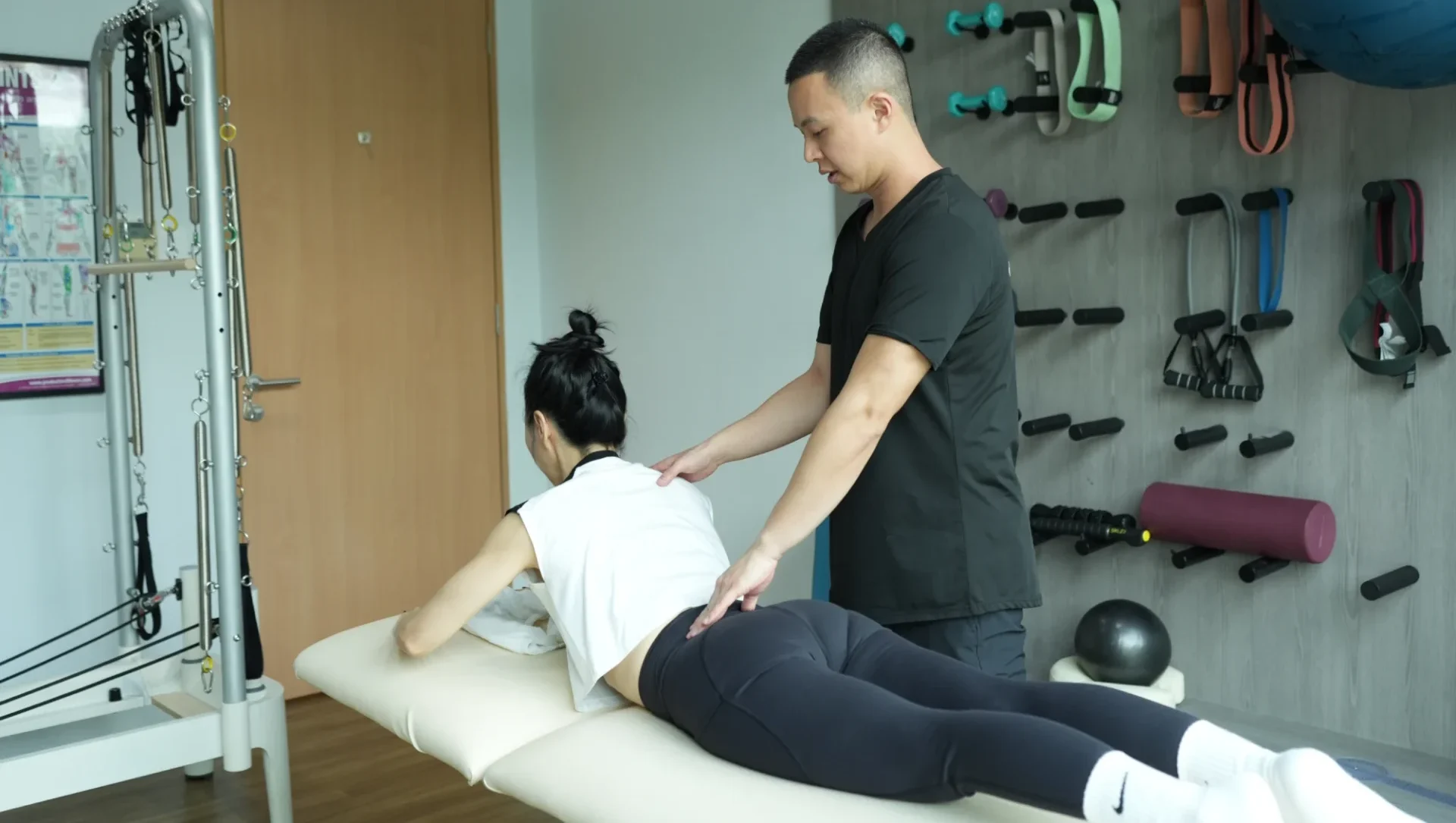
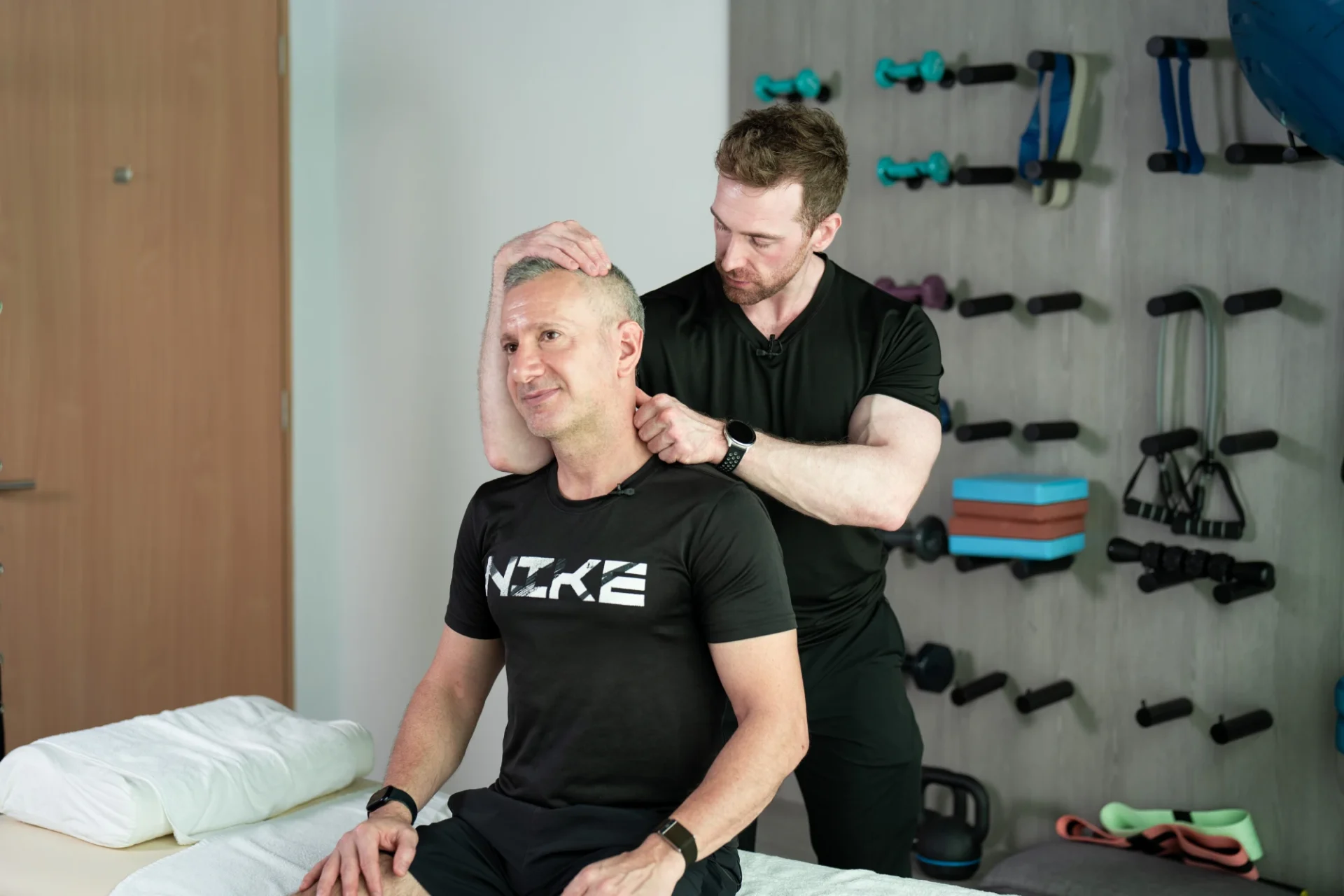
Physiotherapy, often associated with rehabilitation and injury recovery, has expanded its scope to become an integral component of athletic performance enhancement. Grounded in biomechanics, exercise physiology, and injury prevention, physiotherapy empowers athletes to optimise their physical capabilities, reduce injury risks, and sustain peak performance. This article explores how physiotherapy contributes to athletic excellence, emphasising the science and practical applications behind this evolving field.
- Understanding Physiotherapy’s Evolving Role in Sports
- Optimising Movement for Peak Performance
- Enhancing Flexibility and Mobility
- Addressing Weak Links: Building Strength and Stability
- Proactive Injury Prevention Through Prehabilitation
- Accelerating Recovery for Sustained Performance
- The Mental Edge: Building Confidence and Resilience
- Conclusion: A Strategic Advantage for Athletes
Understanding Physiotherapy’s Evolving Role in Sports
Traditionally seen as a tool for recovery, physiotherapy is now recognised for its contribution to athletic performance. Its applications include:
- Analysing movement inefficiencies.
- Improving strength, flexibility, and mobility.
- Preventing injuries through tailored programmes.
- Supporting mental and physical resilience.
In today’s competitive landscape, athletes utilise physiotherapy as a strategic asset to enhance performance beyond recovery.
Optimising Movement for Peak Performance
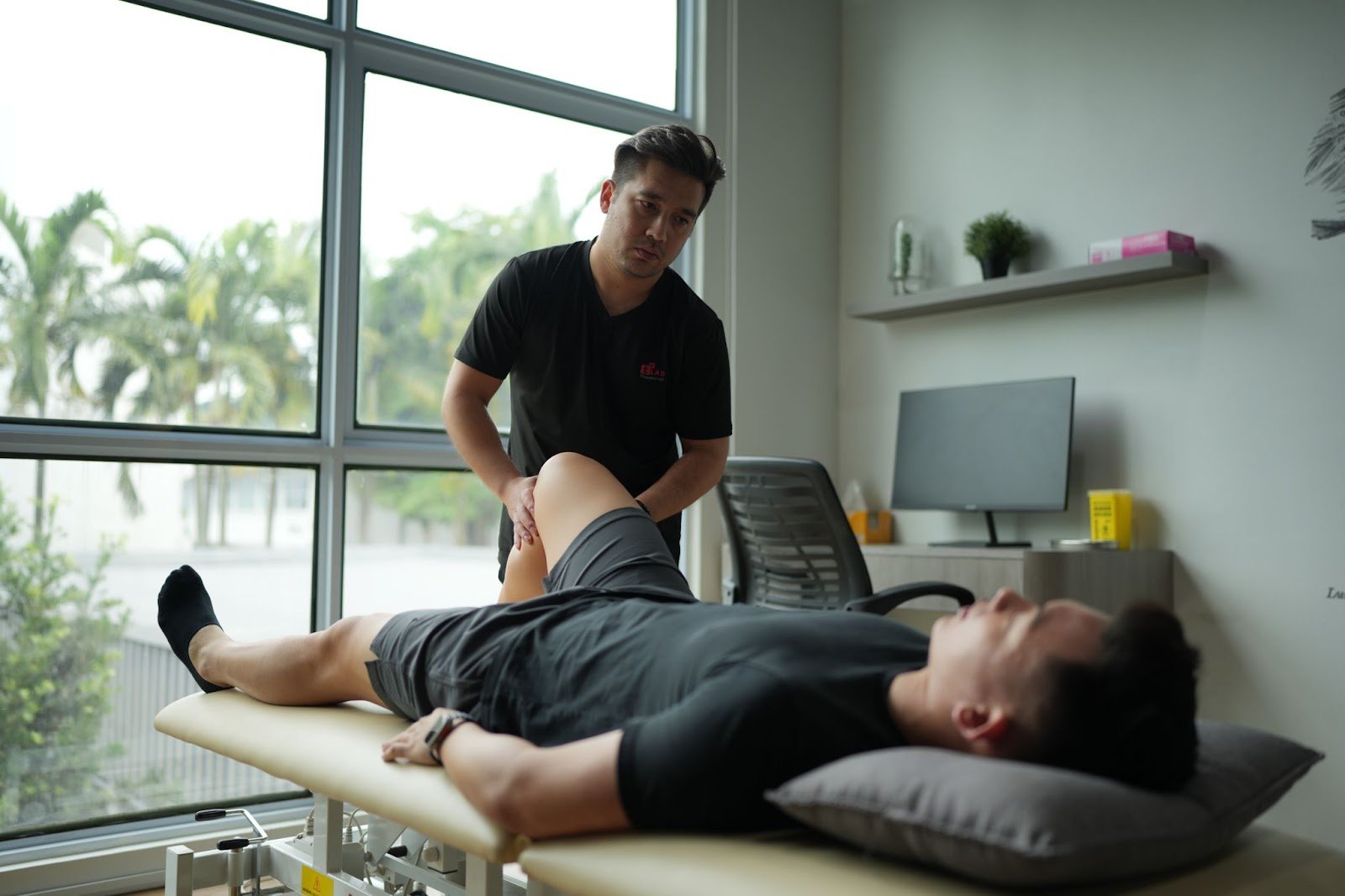
Athletic performance relies on a balance of strength, flexibility, stability, and coordination. Even minor inefficiencies in movement can hinder performance or increase the risk of injury. Physiotherapists employ advanced techniques to identify and correct these inefficiencies.
Key Tools for Movement Analysis
- Motion Capture Technology: Provides real-time analysis of joint angles, stride patterns, and movement dynamics.
- Force Plates: Measure ground reaction forces to assess balance, asymmetries, and power output.
- Functional Movement Screening (FMS): Detects imbalances and weaknesses that may compromise performance.
Example:
A sprinter experiencing asymmetry in hip alignment may lose milliseconds with each stride. By implementing corrective exercises and neuromuscular training, symmetry is restored, improving both speed and efficiency.

Also read: The 5 Injury Prevention Mistakes Athletes Make
Enhancing Flexibility and Mobility
Flexibility and joint mobility are crucial for optimal athletic performance. Restricted range of motion can reduce power generation, negatively impact efficiency, and increase injury risks. Physiotherapists employ evidence-based techniques to enhance flexibility and mobility.
Effective Mobility Techniques
- Proprioceptive Neuromuscular Facilitation (PNF): Enhances flexibility and neuromuscular control more effectively than static stretching.
- Myofascial Release: Targets connective tissue to release tension and improve mobility.
- Dynamic Stretching: Used in warm-ups to increase range of motion and reduce stiffness.
Application:
Gymnasts and swimmers often require extreme joint mobility. Physiotherapy helps achieve this without compromising stability, while improved hip flexibility benefits runners by enabling longer strides and better energy transfer.
Addressing Weak Links: Building Strength and Stability
Every athlete has weak points—specific muscles or joints that are underdeveloped or prone to fatigue. Physiotherapy identifies and strengthens these areas to create a more balanced athlete.
Core Stability: A Foundation for Athletic Success
A strong core supports nearly every athletic movement. Weak core stability can lead to inefficient power transfer and poor posture. Strengthening exercises include:
- Anti-Rotation Exercises: Enhance core stability against external forces.
- Dynamic Core Workouts: Mimic sport-specific movements, such as lunges with twists.
Correcting Muscle Imbalances
Imbalances between opposing muscle groups, such as dominant quadriceps and weaker hamstrings, are common. Physiotherapy restores balance, improving coordination, power, and resilience.
Also read: TSquared Physio’s Ultimate Guide to Physiotherapy in Singapore
Proactive Injury Prevention Through Prehabilitation
Prehabilitation prepares the body for the demands of training and competition, reducing injury risks and supporting long-term athletic sustainability.
Core Components of Prehabilitation
- Strength and Conditioning: Builds muscular resilience against repetitive stress.
- Stability Training: Strengthens high-risk joints like the knees and shoulders.
- Neuromuscular Control: Sharpens coordination and reaction times, reducing missteps.
Example:
Athletes in prehabilitation programmes report fewer injuries and faster recovery times, allowing for consistent performance.
Also read: Mastering the Art of Injury Prevention While Playing Sports
Accelerating Recovery for Sustained Performance
Recovery is as crucial as training for maintaining peak performance. Physiotherapy offers various methods to minimise fatigue, accelerate healing, and prepare athletes for their next challenge.
Popular Recovery Techniques
- Cryotherapy: Reduces inflammation and alleviates muscle soreness post-training.
- Manual Therapy: Enhances circulation, reduces muscular tension, and promotes relaxation.
- Active Recovery: Encourages low-intensity movement to improve blood flow and remove metabolic waste like lactic acid.
The Mental Edge: Building Confidence and Resilience
Physiotherapy provides athletes with a psychological advantage, offering education and strategies to manage injuries effectively. This fosters confidence and reduces anxiety.
Psychological Benefits
- Confidence in Preparedness: Athletes feel assured knowing vulnerabilities are addressed.
- Reduced Anxiety: A clear understanding of injury prevention and recovery timelines empowers athletes to focus on their goals.
Want to optimise your athletic performance?
Our expert sports physiotherapists are here to help you improve mobility, prevent injuries, and build lasting resilience.
Conclusion: A Strategic Advantage for Athletes
Physiotherapy has evolved into a strategic tool for athletes seeking to elevate their performance. By addressing inefficiencies, building resilience, and incorporating proactive recovery methods, physiotherapy supports both immediate gains and long-term sustainability.
In a competitive environment where marginal gains can make all the difference, physiotherapy’s holistic approach equips athletes with the edge they need to excel.
Key Takeaways
- Optimising Movement: Physiotherapy identifies and corrects movement inefficiencies through tools like motion capture, improving strength, flexibility, and coordination.
- Enhancing Mobility: Techniques like proprioceptive neuromuscular facilitation and dynamic stretching improve joint mobility and prevent injuries.
- Addressing Weak Links: Focuses on core stability, muscle balance, and strengthening underdeveloped areas for improved athletic performance.
- Injury Prevention and Prehabilitation: Prepares the body for athletic demands with strength, stability, and neuromuscular training, reducing injury risks.
- Accelerating Recovery: Uses cryotherapy, manual therapy, and active recovery to minimise fatigue, promote healing, and sustain peak performance.
- Mental Resilience: Builds confidence and reduces anxiety through education on injury prevention and recovery strategies.
References
- Coker, C. A., & Bertram, J. E. A. (2021). “Biomechanics in Motion: Enhancing Athletic Movement Through Applied Science.” Journal of Sports Science and Medicine.
- Hibbs, A. E., et al. (2008). “Optimising Core Stability in Athletic Training.” Strength and Conditioning Journal.
- Behm, D. G., et al. (2016). “Proprioceptive Neuromuscular Facilitation Stretching: Mechanisms and Clinical Implications.” Sports Medicine Journal.
- Ekstrand, J., et al. (2020). “Injury Prevention in Professional Football: A Systematic Approach.” British Journal of Sports Medicine.
- Dupont, G., et al. (2010). “Cryotherapy and Post-Exercise Recovery: Effects on Athletic Performance.” Journal of Athletic Training.
- Soligard, T., et al. (2016). “Monitoring Athlete Load to Reduce Injury Risk: Best Practices and Tools.” International Journal of Sports Physiology and Performance.