In the bustling city-state of Singapore, where the daily grind often involves long hours at desks and on smartphones, the concern for maintaining good posture is ever-present. Many of us have grown up hearing the age-old advice: “Sit up straight; poor posture leads to pain.” It’s a belief ingrained in our minds, and for good reason – after all, who hasn’t experienced a twinge of discomfort after a day of slouching?
However, as we delve into the intricacies of the human body and the science behind pain, it becomes evident that the relationship between posture and pain is far more complex than the straightforward cause-and-effect scenario we’ve been led to believe. In this blog, our aim is to unravel the myth surrounding poor posture as the sole culprit behind pain and delve into the nuanced interplay of various factors that contribute to our physical well-being.
So, let’s embark on a journey to explore the fascinating world of posture and pain, separating fact from fiction and gaining a deeper understanding of how our bodies truly respond to the way we hold ourselves.
- The Myth of Simple Cause and Effect
- Understanding the Factors Influencing Pain
- Posture as One of Many Contributors
- The Importance of an Individualised Approach
- Posture’s Role in Pain Prevention
- Tips for Cultivating and Sustaining Good Posture
- The Holistic Approach to Prevention
- Holistic Approaches to Pain Management
- Conclusion
- We’ve Got Your Back
The Myth of Simple Cause and Effect
As we untangle the web of beliefs surrounding posture and pain, it’s crucial to confront the prevailing myth – the simplistic notion that poor posture is the direct and unequivocal cause of pain. While it’s easy to draw a straight line between slouching at a desk and the discomfort in our backs, science and medical understanding tell us a different story.
Research indicates that the relationship between posture and pain is not as straightforward as we might assume. Rather than a simple cause-and-effect scenario, it’s more accurate to view posture as one variable in a complex equation of factors influencing our physical well-being. The human body is a marvel of complexity, and pain is a nuanced response that can be influenced by a myriad of elements.
Consider this: two individuals may have similar postural habits, with one experiencing chronic pain while the other remains pain-free. This apparent paradox underscores the intricate nature of the relationship between posture and pain. It prompts us to explore the multifaceted aspects that contribute to the way our bodies perceive and react to different postures.
By challenging the oversimplified narrative, we open the door to a more comprehensive understanding of how our bodies function and respond to the various stimuli they encounter daily.

Understanding the Factors Influencing Pain
In the diverse and dynamic landscape of Singapore, where each individual leads a unique lifestyle, it becomes imperative to recognise that pain is influenced by a spectrum of factors, extending far beyond the realm of posture alone.
Genetics, Lifestyle, and Individual Differences:
Genetic Predispositions: Our genetic makeup plays a significant role in determining our susceptibility to certain health conditions, including those that manifest as pain. While we may share postural habits with our family members, it’s our genetic predispositions that can shape how our bodies respond to these habits.
Lifestyle Choices: The way we live our lives – from our daily activities to our leisure pursuits – contributes substantially to our physical well-being. Factors such as occupation, exercise routines, and recreational activities all play a role in shaping our posture and, consequently, our experience of pain.
Individual Variations: Every person’s body is unique, responding to stimuli and stressors in different ways. What may cause pain in one individual may not have the same effect on another. Recognising and respecting these individual differences is essential in understanding the diverse tapestry of pain experiences in the Singaporean community.
Also read: Mastering the Art of Injury Prevention While Playing Sports
Posture as One of Many Contributors
It’s crucial to emphasise that while posture is undeniably a factor in the complex equation of pain, it is just one piece of the puzzle. Our bodies respond holistically to the amalgamation of our genetics, lifestyle choices, and individual differences. Therefore, attributing pain solely to poor posture oversimplifies the intricate web of influences that contribute to our physical well-being.
By acknowledging the multifaceted nature of pain, we empower ourselves to adopt a more holistic approach to its management. In the following sections, we’ll explore how embracing this complexity can guide us towards a more nuanced understanding of our bodies and pave the way for effective strategies to promote overall health and well-being.

The Importance of an Individualised Approach
In the rich tapestry of Singapore’s multicultural society, diversity extends beyond cultural backgrounds into the very fabric of our physical beings. Each person’s body is a unique composition of genes, experiences, and lifestyle choices, highlighting the need for a tailored and individualised approach to both addressing pain and improving posture.
Celebrating Uniqueness
Our bodies are not one-size-fits-all entities. What works for one individual may not yield the same results for another. Embracing and celebrating this uniqueness is a crucial step toward understanding the intricate relationship between posture and pain. A posture or exercise regimen that suits one person perfectly may not be as effective – or even counterproductive – for someone else.
Also read: Physiotherapy’s Role in Enhancing Athletic Performance
Factors Influencing Individual Responses
Several factors contribute to the diverse responses individuals have to postural changes or exercises. These include:
- Body Structure: Variations in skeletal structure and muscle distribution influence how different individuals hold themselves and respond to changes in posture.
- Previous Injuries: Past injuries and traumas can impact an individual’s posture and contribute to pain experiences.
- Lifestyle and Daily Activities: The demands of daily life and occupation vary widely, influencing the habitual postures individuals adopt.
The Need for Customised Solutions
Recognising and respecting these individual differences stresses the importance of adopting an individualised approach to addressing pain and improving posture. A one-size-fits-all solution may provide temporary relief for some but could exacerbate issues for others. Therefore, it becomes imperative to tailor interventions to the specific needs, abilities, and limitations of each person.
The Role of Healthcare Professionals
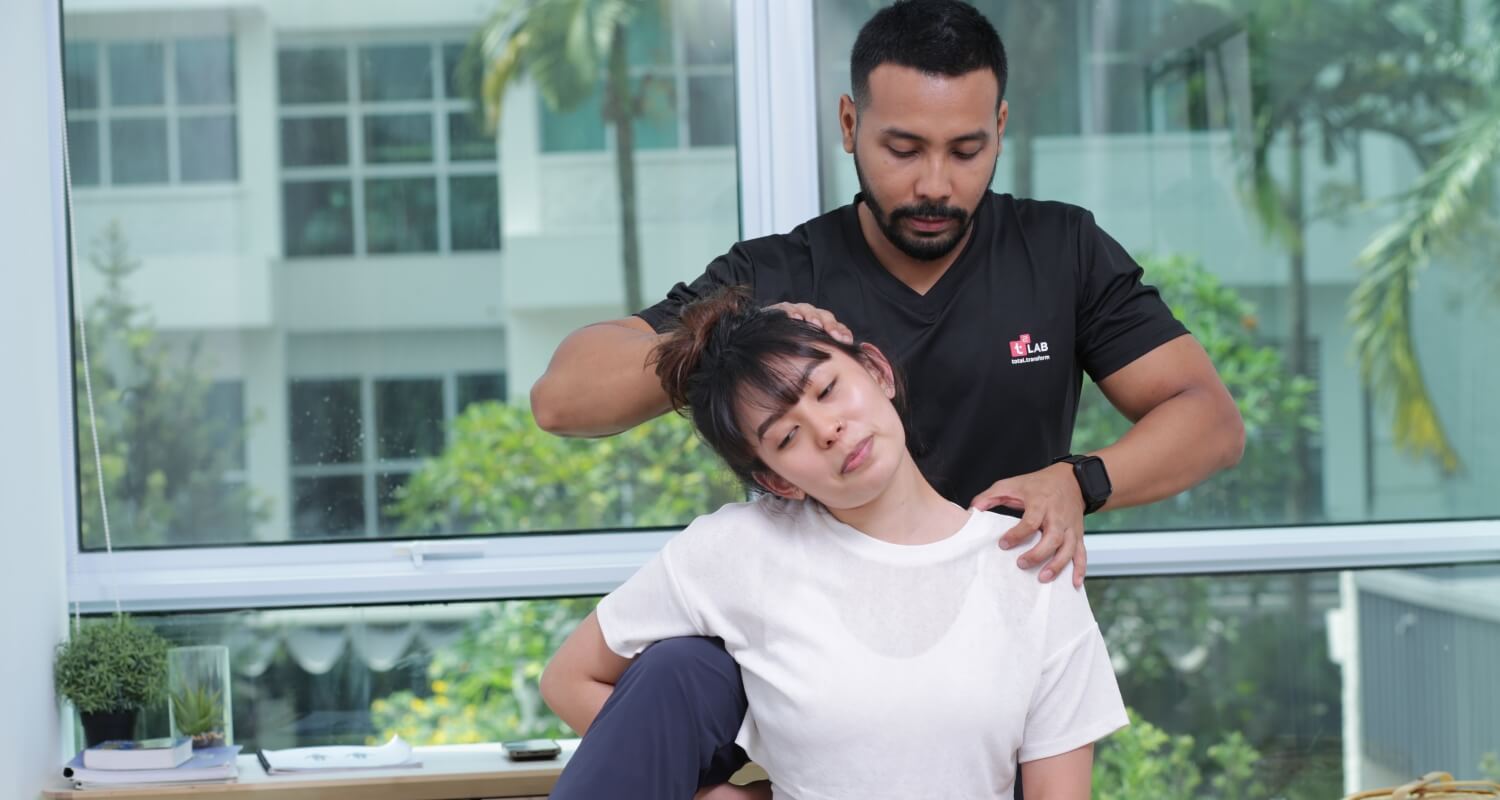
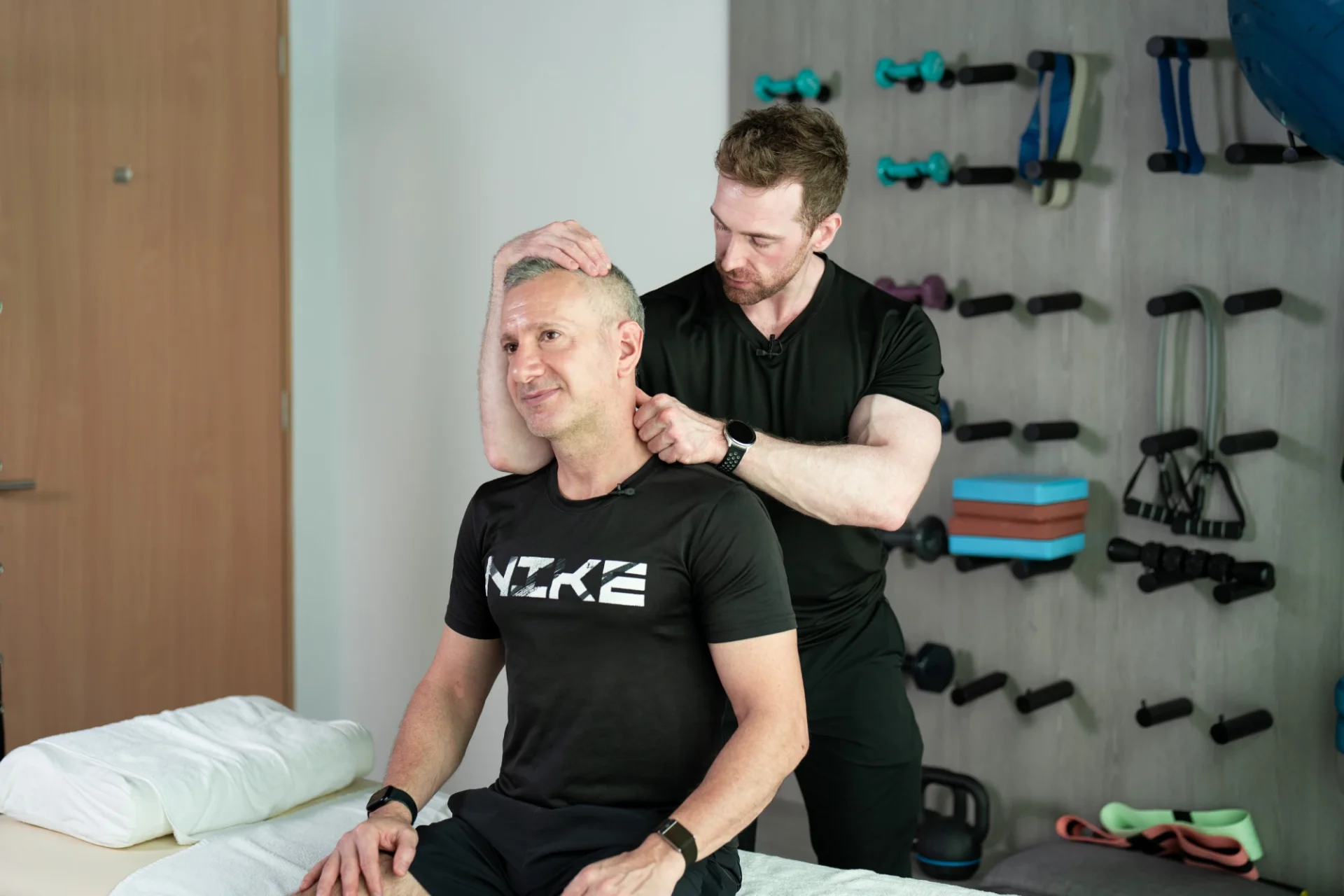
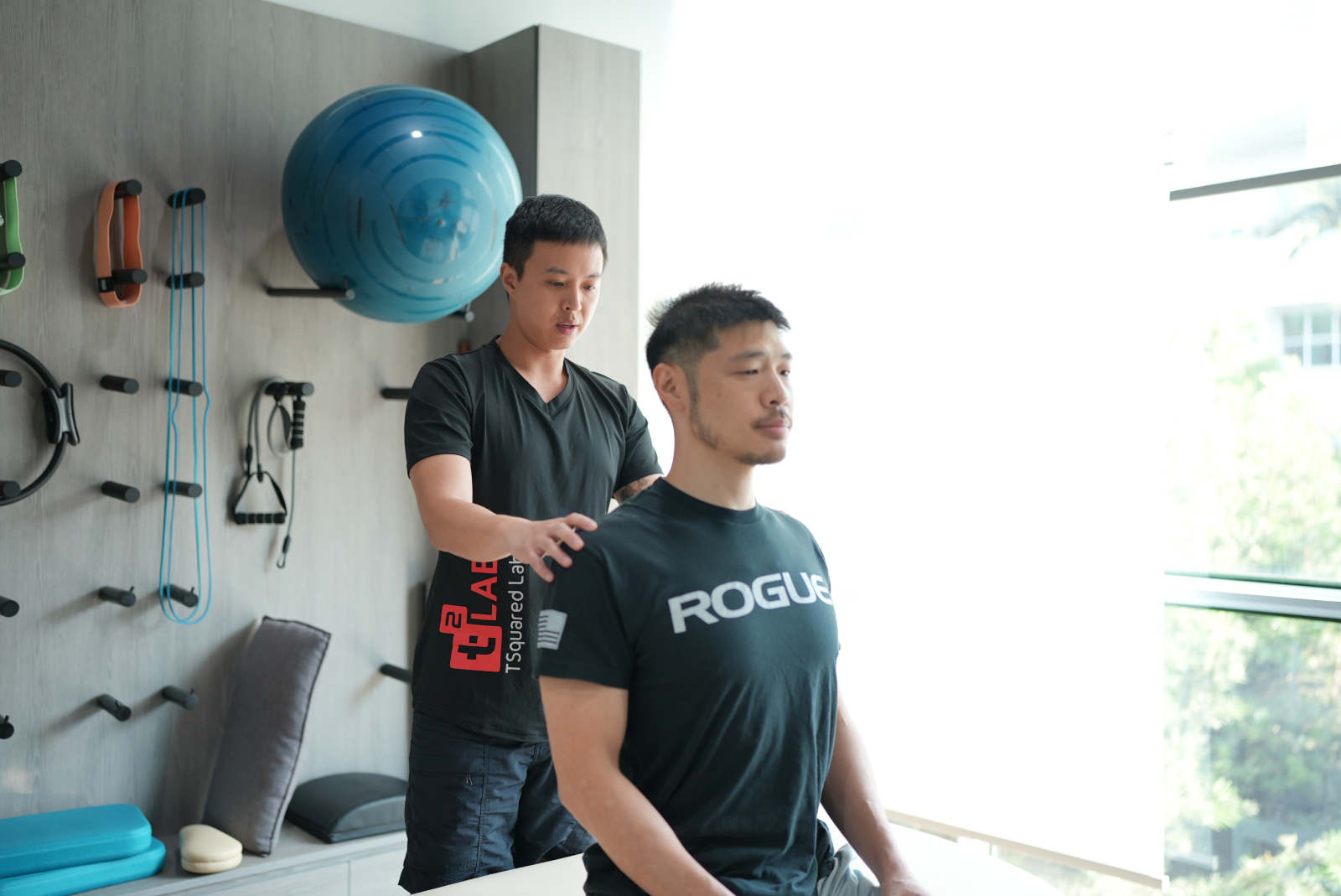
Healthcare professionals, including physiotherapists and posture specialists, play a crucial role in guiding individuals on their journey toward better posture and pain management. By conducting thorough assessments and considering the unique aspects of each case, they can develop personalised plans that address the root causes of pain and support sustainable improvements in posture.

Posture’s Role in Pain Prevention
Understanding the preventive aspect of posture becomes pivotal. While it’s essential to debunk the myth that poor posture is the sole cause of pain, acknowledging the crucial role of maintaining good posture in preventing pain is equally important.
The Balanced Perspective
It’s time to strike a balance in our understanding. Poor posture may not be the exclusive culprit behind pain, but the way we hold ourselves does play a significant role in the overall well-being of our musculoskeletal system. Maintaining good posture acts as a preventive measure, reducing the risk of developing musculoskeletal issues and promoting a healthier, pain-free existence.
Also read: Dealing With Chronic Pelvic Pain? Here’s How Physiotherapy Can Help
Tips for Cultivating and Sustaining Good Posture
Ergonomic Workspaces: In a city where office work is prevalent, creating an ergonomic workspace is crucial. Adjust the height of chairs and desks, position monitors at eye level, and support the lower back with appropriate chairs to encourage good posture.
Regular Breaks and Movement: Encourage breaks throughout the day, especially for those with sedentary jobs. Simple stretches and movements help prevent stiffness and promote better posture.
Strengthening Exercises: Incorporate exercises that target core strength, back muscles, and flexibility. A strong and flexible musculature provides essential support for maintaining good posture.
Mindful Posture Check-Ins: Develop a habit of regularly checking and correcting your posture. Mindful awareness can help break the cycle of poor posture and instil healthier habits.
Yoga and Pilates: Consider integrating practices like yoga or Pilates into your routine. These disciplines focus on body awareness, core strength, and flexibility – all of which contribute to improved posture.
Sleeping Posture: Pay attention to your sleeping posture. Use supportive pillows and mattresses that align with the natural curves of your spine.
The Holistic Approach to Prevention
Preventing pain goes hand in hand with adopting a holistic approach to well-being. Cultivating good posture is a proactive step toward maintaining a healthy musculoskeletal system and preventing pain-related issues.
Real-life stories often provide the most compelling evidence. Let’s delve into case studies that challenge the long-standing stereotype of poor posture as the primary cause of pain.
Case Study 1: The Active Professional
Meet Jason, a young professional immersed in Singapore’s fast-paced corporate world. Despite maintaining a seemingly ideal posture at his desk, Jason began experiencing persistent lower back pain. Upon closer examination, it was revealed that his pain was exacerbated by a lack of regular movement throughout the day. Implementing a routine of stretching and short walks significantly alleviated his discomfort, emphasising the role of sedentary behaviour rather than posture as the primary contributor.
Case Study 2: The Athlete’s Dilemma
Melissa, an avid athlete, faced recurring knee pain that seemed unrelated to her exercise routine. While her running form and posture appeared impeccable, a thorough assessment revealed muscle imbalances and weaknesses in her hip and gluteal muscles. Targeted exercises to address these weaknesses not only improved her posture but also resolved the underlying cause of her knee pain.
Key Takeaways from Case Studies:
These real-life examples underscore the importance of looking beyond posture as the sole culprit for pain. They emphasise:
Diverse Contributing Factors: Pain can stem from various sources, including lifestyle, movement patterns, and muscle imbalances.
Individualised Solutions: Each case requires a tailored approach, acknowledging the unique needs and challenges faced by individuals.
Comprehensive Assessments: Thorough assessments, often involving healthcare professionals, are crucial in identifying the root causes of pain.

Holistic Approaches to Pain Management
Beyond the narrow focus on posture, embracing a comprehensive strategy that incorporates physical therapy, targeted exercises, and mindfulness can lead to more effective and sustainable pain relief.
Physical Therapy
Engaging in physical therapy sessions can be instrumental in addressing pain that goes beyond the scope of posture alone. Skilled physiotherapists assess not only posture but also movement patterns, muscle imbalances, and joint mobility. Through targeted interventions and personalised exercise plans, individuals can experience a more profound and lasting improvement in their overall musculoskeletal health.
Targeted Exercises
Specific exercises that target muscle strength, flexibility, and balance play a crucial role in holistic pain management. Tailored to individual needs, these exercises address underlying issues, enhancing overall body function and mitigating the impact of poor posture. Regular practice contributes not only to pain relief but also to the prevention of future issues.
Mindfulness and Stress Management
The connection between mental well-being and physical health cannot be overstated. Mindfulness practices, such as meditation and deep breathing exercises, can help manage stress levels, reducing muscle tension and promoting a more relaxed posture. Integrating mindfulness into daily life contributes not only to pain management but also to a holistic sense of well-being.
Conclusion
It’s essential to revisit the key insights gained.
Posture’s Nuanced Role: Posture, though a significant factor, is not the sole determinant of pain. Our bodies respond to a multitude of influences, including genetics, lifestyle choices, and individual differences.
Holistic Perspective: The myth of a simple cause-and-effect relationship between poor posture and pain has been debunked. Instead, we advocate for a holistic perspective that recognises the interplay of various factors in shaping our experiences of pain.
Individualised Solutions: Each person’s body is unique, requiring personalised solutions for effective pain management. A one-size-fits-all approach falls short in addressing the diverse needs of individuals.
Holistic Approaches to Well-Being: In the health-conscious community of Singapore, the path to well-being involves embracing holistic approaches. Physical therapy, targeted exercises, and mindfulness contribute to a comprehensive strategy for managing pain and fostering overall health.
Embrace the complexity, celebrate the uniqueness of your body, and prioritise a holistic approach to well-being.
Key Takeaways
- Complex Relationship: The relationship between posture and pain is more complex than a simple cause-and-effect scenario. While poor posture can contribute to discomfort, it’s not the sole cause of pain. Factors such as genetics, lifestyle, and individual differences also play significant roles.
- Holistic Approach: Effective management of pain and improvement of posture requires a holistic approach that considers the individual’s unique body structure, previous injuries, and daily activities. A one-size-fits-all solution is not effective for everyone.
- Importance of Professional Guidance: Healthcare professionals, including physiotherapists and posture specialists, are crucial in developing personalised plans that address the root causes of pain and support sustainable improvements in posture.
- Preventive Measures: Maintaining good posture is important for preventing musculoskeletal issues and promoting a healthier, pain-free existence. Ergonomic workspaces, regular breaks, strengthening exercises, mindful posture check-ins, and proper sleeping posture are recommended.
- Individualised Solutions: Recognising and respecting individual differences is essential in addressing pain and improving posture. Tailored interventions based on thorough assessments can lead to more effective outcomes.
We’ve Got Your Back
While this exploration provides valuable insights, we recognise that every individual is unique. If you’re facing persistent pain or seeking personalised advice on improving your posture, consider consulting with our physiotherapists. Their expertise can guide you on a tailored journey toward better well-being.
Remember, your well-being is a dynamic and evolving process. By actively participating in the conversation and seeking personalised guidance, you contribute not only to your own journey but also to the collective wisdom of our community.