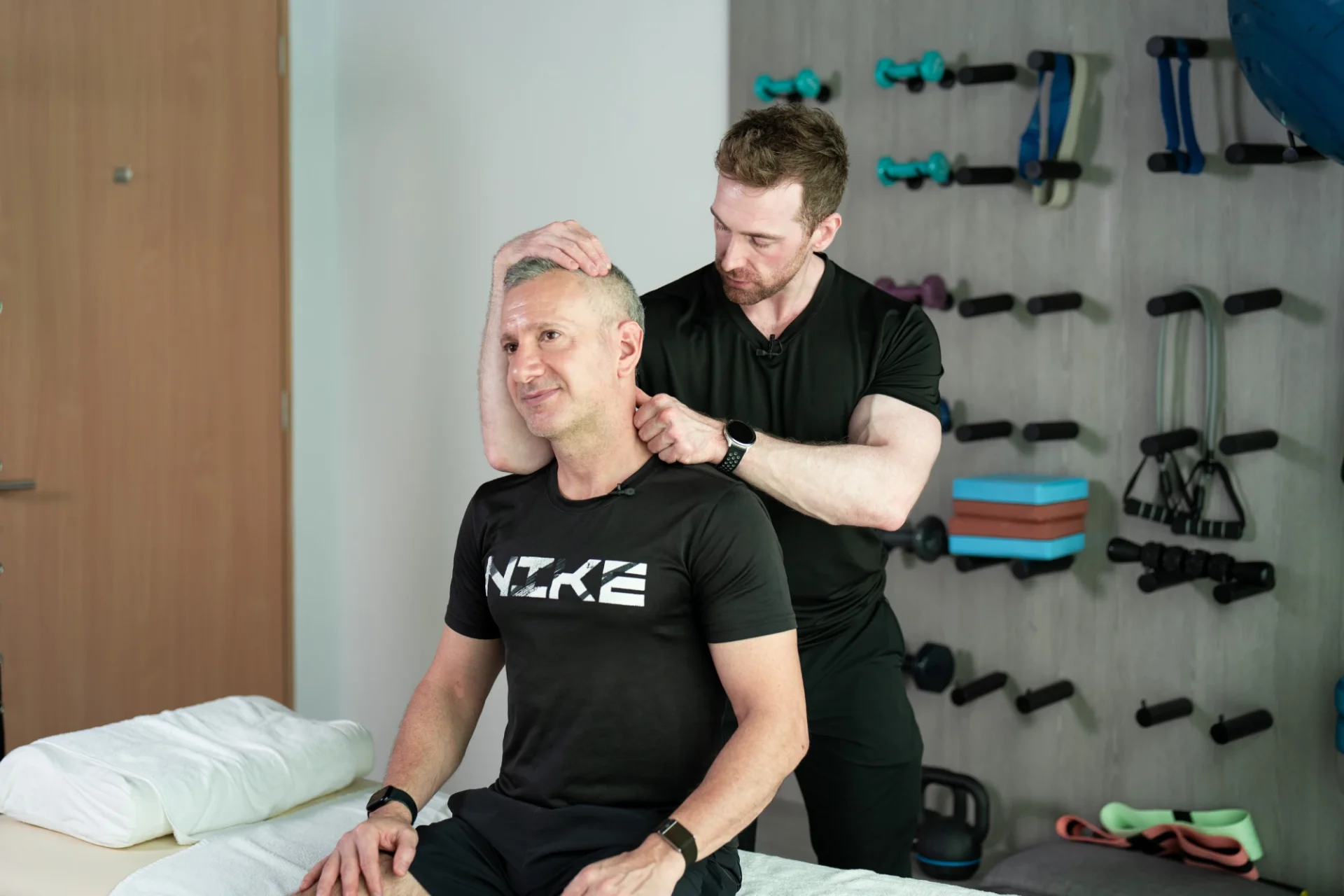
Engaging in sports or any physical activity offers numerous benefits and is a fantastic way to stay active, socialise, and maintain a healthy lifestyle. However, the thrill of competition can sometimes lead to injuries that may not only impact your performance but also your overall well-being.
Sports is the leading cause of all injuries in youth, and adults worldwide. These injuries can be costly, time-consuming, and difficult to treat; this makes it crucial to implement and prioritise preventive measures on medical as well as economic grounds.
In this blog, we aim to help you with various strategies and tips to prevent injuries while playing sports covering everything from common occurrences of sports injuries to exploring the benefits of implementing preventive measures, from warm-up routines, strength training, and proper technique to the importance of rest, recovery, and mental resilience.
Let’s discover the keys to a safer, more fulfilling experience in the world of sports.
Understanding Common Sports Injuries
Injuries are an unfortunate reality that athletes must contend with. From sprains and strains to fractures and overuse injuries, the spectrum of sports-related injuries is vast and varied. Understanding the common types of injuries that athletes face is essential for developing effective injury prevention strategies.
- Sprains and Strains: Sprains occur when ligaments are stretched or torn, while strains involve damage to muscles or tendons. These injuries often occur due to sudden movements, falls, or overexertion during sports activities.
- Fractures: Fractures, or broken bones, can result from direct blows, falls, or repetitive stress on the bone. Fractures can vary in severity, from hairline fractures to complete breaks, and may require immobilisation or surgical intervention for proper healing.
- Overuse Injuries: Overuse injuries develop gradually over time due to repetitive stress on muscles, tendons, or bones without adequate rest and recovery. Common overuse injuries in sports include tendinitis, stress fractures, and muscle strains.
- Concussions: Concussions are a type of traumatic brain injury caused by a blow to the head or body that results in rapid movement of the brain within the skull. Concussions are prevalent in contact sports and require prompt evaluation and management to prevent long-term complications.
By understanding the mechanisms and risk factors associated with these common sports injuries, athletes and coaches can implement targeted injury prevention strategies to mitigate the risk of injury and promote long-term athletic success.

Also read: The 5 Injury Prevention Mistakes Athletes Make
The Importance of Warm-Up and Cool Down
One of the foundational elements of injury prevention is a proper warm-up and cool-down routine. Scientific research suggests that these practices help prepare the body for physical activity and promote recovery afterward.
Before engaging in sports, a dynamic warm-up increases heart rate and blood flow to muscles, optimising oxygen delivery, enhancing neuromuscular activation, and improving joint mobility. Various researchers emphasise on the role of dynamic stretching in improving flexibility and range of motion, which can reduce the risk of muscle strains and tears during any sports activity.
Similarly, cooling down after exercise helps gradually lower heart rate and facilitate muscle recovery. Studies have shown that incorporating static stretching into the cool-down phase can help reduce muscle tightness and soreness, promoting flexibility and reducing the risk of injury.

Building a Strong Foundation with Strength Training
Strength training is a valuable but often underrated component of athletic performance. Incorporating strength training into a sports regimen can provide a range of benefits, enhancing overall performance and reducing the risk of injuries.
As per research, strength training has proved to improve sports performance and health metrics, lowering the risk of injuries, and hastening the development of physical literacy.
Tailored strength training exercises can help mimic the movements of a particular sport and can improve sport-specific performance. This helps you develop the strength and muscle coordination needed for your chosen activities, leading to better on-field results.
Regular strength training can improve circulation and facilitate quicker recovery from intense workouts or sports-related activities. This is essential for people who engage in frequent training sessions or competition and the discipline required for consistent strength training builds mental toughness. As you see improvements in your strength and physical capabilities, it can boost confidence and positively impact your mindset on and off the field.
Also read: Physiotherapy’s Role in Enhancing Athletic Performance
Here’s how strength and conditioning can contribute to injury prevention:
- Muscle Strength: Building strength in key muscle groups helps to stabilise joints and absorb impact forces more effectively, reducing the risk of strains, sprains, and other soft tissue injuries.
- Joint Stability: Strengthening muscles around joints, such as the knees, hips, and shoulders, improves joint stability and reduces the risk of ligamentous injuries, such as ACL tears or rotator cuff injuries.
- Balance and Coordination: Incorporating balance and coordination exercises into training programs helps athletes develop proprioception and spatial awareness, reducing the risk of falls and non-contact injuries.
- Injury Rehabilitation: Strength training can also aid in the rehabilitation process for athletes recovering from injuries. By targeting specific muscle groups and movement patterns, athletes can regain strength, mobility, and function more effectively.
- Periodisation: Structuring strength and conditioning programs with appropriate periodisation allows for progressive overload and recovery, optimising performance while minimising the risk of overuse injuries.

Proper Technique and Form
One of the fundamental aspects of injury prevention in sports is the mastery of proper technique and form.
Using a correct technique and maintaining proper form during sports activities is crucial for injury prevention and optimal performance. Research has consistently supported the benefits of proper technique in reducing injury risk and enhancing athletic capabilities. Whether it’s running, jumping, lifting, or throwing, executing movements with correct biomechanics not only enhances athletic performance but also reduces the risk of injury.
Proper technique helps maintain muscle balance and prevents imbalances, which can lead to injuries. Many sports involve movements that stress the spine, such as twisting, bending, and impact. Using proper technique and form minimises strain on spinal structures, reducing the risk of spinal injuries and therefore, athletes who prioritise correct form are more likely to develop advanced skills and techniques, leading to overall success in their sports.
Here are some key considerations for maintaining proper technique and form:
- Body Alignment: Maintaining proper body alignment is crucial for preventing undue stress on muscles, joints, and ligaments. Athletes should focus on keeping the spine neutral, engaging core muscles, and aligning limbs in a balanced position during sports movements.
- Gradual Progression: Progressing gradually in intensity, duration, and load allows the body to adapt and strengthen gradually, reducing the risk of overuse injuries. Athletes should avoid sudden spikes in training volume or intensity, opting for incremental changes instead.
- Equipment and Gear: Using appropriate equipment and gear that fits well and is in good condition is essential for injury prevention. This includes wearing supportive footwear, protective padding, and properly fitting sports attire to reduce the risk of impact-related injuries and provide adequate support during activity.
- Mindful Awareness: Developing mindful awareness of body mechanics and movement patterns can help athletes identify and correct faulty techniques before it leads to injury. This involves paying attention to sensations of discomfort, imbalances, or asymmetries during sports activities and making adjustments as needed.
Along with this, to refine techniques and receive constructive feedback, working with a coach or personal trainer is highly beneficial. Athletes who regularly receive guidance from a coach experience greater improvements in technique and performance compared to those who train without assistance. Working closely with a knowledgeable mentor allows athletes to fine-tune their skills, correct any flaws in their form, and optimise their overall athletic performance.

Rest and Recovery: The Unsung Heroes
It’s easy to overlook the importance of rest and recovery in injury prevention.
Each of them is a critical component of any sports training regimen, playing a crucial role in injury prevention and overall athletic performance. Understanding the physiological and psychological benefits of rest can help athletes optimise their training and achieve peak performance.
Rest allows the body to repair and rebuild muscle fibres, promoting muscle growth and overall strength. During intense exercise, muscle fibres undergo micro-tears, and rest periods facilitate the repair process, leading to muscle hypertrophy. Scientific research indicates that adequate rest between training sessions is essential for maximising muscle adaptation and growth because insufficient recovery time can lead to cumulative fatigue, increasing the risk of overuse injuries.
Physical fatigue often accompanies mental fatigue, which can lead to burnout and diminish the passion for sports which is why rest is crucial for sustaining long-term athletic success and mental well-being.
Here’s why rest and recovery are the unsung heroes of injury prevention:
- Muscle Repair and Growth: During rest periods, the body undergoes essential repair processes, including muscle tissue repair and growth. Adequate rest allows muscles to recover from the stresses of training, reducing the risk of overuse injuries and promoting muscle strength and resilience.
- Inflammation Reduction: Intense physical activity can lead to inflammation in the muscles and joints, increasing the risk of injury. Rest and recovery periods help to reduce inflammation, allowing the body to heal and recover more effectively between training sessions.
- Prevention of Burnout: Overtraining syndrome and burnout are common issues among athletes who fail to prioritise rest and recovery. Adequate rest periods help to prevent mental and physical burnout, allowing athletes to maintain motivation and enthusiasm for their sport while reducing the risk of injury.
- Immune System Support: Intense training can temporarily suppress the immune system, making athletes more susceptible to illness and infection. Proper rest and recovery allow the immune system to function optimally, reducing the risk of illness and supporting overall health and well-being.
- Mental Rejuvenation: Rest and recovery periods provide athletes with valuable time to recharge mentally and emotionally. This mental rejuvenation is essential for maintaining focus, motivation, and a positive attitude toward training, ultimately contributing to injury prevention and long-term athletic success.
Also read: The Posture and Pain Connection: All You Need to Know
Injury Management and Rehabilitation: Navigating the Road to Recovery
Despite our best efforts in injury prevention, injuries may still occur during sports or physical activities. In such instances, prompt and effective injury management and rehabilitation are crucial for minimising downtime, preventing further complications, and facilitating a safe return to activity. Here’s what athletes need to know about injury management and rehabilitation:
- Prompt Evaluation: At the first sign of injury, athletes should seek prompt evaluation from a qualified healthcare professional. Proper diagnosis is essential for developing an appropriate treatment plan and preventing the injury from worsening.
- R.I.C.E. Protocol: The R.I.C.E. protocol—Rest, Ice, Compression, and Elevation—is a standard approach for managing acute injuries in the initial stages. Resting the injured area, applying ice to reduce inflammation, using compression to support the injured tissues, and elevating the affected limb can help alleviate pain and swelling.
- Professional Guidance: Depending on the severity and nature of the injury, athletes may require professional guidance from a physiotherapist, athletic personal trainer, or sports medicine physician. These healthcare professionals can provide personalised rehabilitation programs tailored to the athlete’s specific needs and goals.
- Progressive Rehabilitation: Rehabilitation programs typically involve a gradual progression of exercises and activities designed to restore strength, flexibility, and function to the injured area. Athletes must adhere to their rehabilitation protocols and communicate regularly with their healthcare providers to track progress and address any concerns.
- Patience and Persistence: Recovering from a sports injury requires patience and persistence. Athletes should recognise that healing takes time and that pushing too hard too soon can prolong recovery or lead to re-injury. By following their rehabilitation programs diligently and staying positive throughout the process, athletes can increase their chances of a successful return to sport.

Implementing Proper Nutrition and Hydration Strategies
Proper nutrition and hydration are integral components of injury prevention in sports, as they provide the essential nutrients and fluids needed for optimal performance, recovery, and injury resilience.
- Fueling Performance: Consuming a well-balanced diet rich in carbohydrates, proteins, fats, vitamins, and minerals provides athletes with the energy and nutrients needed to fuel their performance during training and competition. Carbohydrates serve as the primary fuel source for high-intensity activities, while proteins support muscle repair and growth, and fats provide sustained energy during endurance activities.
- Supporting Recovery: Nutrient-dense foods and adequate hydration are essential for supporting post-exercise recovery. Consuming carbohydrates and proteins shortly after exercise helps replenish glycogen stores and promote muscle repair and growth. Additionally, staying hydrated helps maintain proper fluid balance, aids in nutrient transport, and supports cellular function.
- Promoting Injury Resilience: Proper nutrition plays a key role in promoting injury resilience by supporting immune function, bone health, and connective tissue integrity. Consuming foods rich in antioxidants, vitamins, and minerals helps protect against oxidative stress and inflammation, reducing the risk of overuse injuries and supporting overall musculoskeletal health.
- Hydration: Maintaining proper hydration is essential for preventing dehydration, heat-related illnesses, and impaired performance. Athletes should consume adequate fluids before, during, and after exercise to replace fluids lost through sweating and prevent dehydration. Electrolyte-rich beverages may be beneficial for athletes engaged in prolonged or intense exercise to replace electrolytes lost through sweat.
- Individualised Approach: Nutrition and hydration strategies should be individualised based on factors such as the athlete’s body composition, energy expenditure, training intensity, and environmental conditions. Working with a registered dietitian or sports nutritionist can help athletes develop personalised nutrition plans tailored to their specific needs and goals.
Also read: 5 Nutrition Mistakes That Are Sabotaging Your Fitness Goals
Injury Prevention Strategies for Specific Sports
Different sports present unique challenges and injury risks, requiring tailored injury prevention strategies to address specific biomechanical demands and injury patterns. Here are some sport-specific injury prevention strategies for commonly played sports:
Football (Soccer):
- Warm-up drills focusing on dynamic stretching, agility, and proprioception to reduce the risk of muscle strains and ligamentous injuries.
- Technique training for proper tackling, heading, and landing to minimise the risk of head and neck injuries.
- Strength and conditioning exercises target the lower body, core, and stabilising muscles to improve balance, stability, and resilience.
Basketball:
- Dynamic warm-up routines incorporating plyometric exercises, lateral movements, and footwork drills to enhance agility and reduce the risk of lower extremity injuries.
- Emphasis on proper jumping and landing mechanics to prevent ACL tears and ankle sprains.
- Strength training exercises targeting the lower body, core, and upper body to improve muscular strength, endurance, and joint stability.
Running:
- Gradual progression of training volume and intensity to prevent overuse injuries, such as stress fractures, shin splints, and IT band syndrome.
- Incorporation of cross-training activities, such as cycling, swimming, or yoga, to reduce repetitive strain on muscles and joints.
- Footwear assessment and gait analysis to ensure proper shoe fit and running mechanics, reducing the risk of foot, ankle, and knee injuries.
Gymnastics:
- Progressive skill development and technique training to ensure proper execution of gymnastics manoeuvres, reducing the risk of falls and impact-related injuries.
- Focus on core strength, flexibility, and proprioception to improve body control, balance, and injury resilience.
- Supervised spotting and matting techniques to provide additional safety measures during skill progression and performance.
Tennis:
- Pre-match warm-up routines incorporate dynamic stretching, agility drills, and tennis-specific footwork patterns to reduce the risk of muscle strains and joint injuries.
- Technique refinement for proper stroke mechanics and body positioning to minimise stress on the shoulders, elbows, and wrists.
- Strength and conditioning exercises targeting the core, shoulders, and lower body to improve power, endurance, and injury resistance.
Key Takeaways
- Comprehensive Approach: Injury prevention in sports requires a comprehensive strategy, covering proper training techniques, rest, nutrition, mental preparation, and sport-specific measures.
- Community Support: Establishing a culture of safety and support among athletes, coaches, parents, and sports organisations is crucial for injury prevention.
- Personal Responsibility: Athletes must prioritise their health by listening to their bodies, communicating effectively, and following proper training protocols.
- Continuous Education: Staying informed about the latest research and best practices ensures athletes can adapt and optimise their injury prevention strategies over time.
Conclusion
Injuries are an inherent risk in sports, but with the right knowledge and proactive measures, athletes can significantly reduce their likelihood. The combination of these elements – warm-up and cool-down, strength training, proper technique, quality gear, and sufficient rest – forms a robust foundation for injury prevention.
With a holistic approach to training, you can navigate your athletic pursuits with confidence, minimising setbacks and maximising your potential on and off the field.
Remember, injury prevention is not just about avoiding setbacks; it’s about empowering athletes to reach their full potential, both on and off the field. It is not just about avoiding injuries; it’s about cultivating a mindset of resilience, fostering a culture of safety, and empowering you to thrive in the sports of your choice for years to come.
By embracing these principles, you can not only enjoy sports but also pave the way for a sustainable and injury-free athletic career. Ultimately, playing safe and staying strong go hand in hand, allowing you to pursue your passion with confidence and longevity.
Let’s continue to work together to create a culture where injuries are minimised, and athletes are supported in their pursuit of excellence.
Looking for skilled professionals who can help you bounce back stronger and faster from your sports injuries? Our team of body transformation experts includes the world’s leading personal trainers, highly professional physiotherapists, and sports massage therapists who provide targeted treatments to accelerate recovery and enhance your athletic performance.
Read more: Prenatal and Postnatal Physiotherapy: What New Moms Need to Know