In fitness, the conversation often centres around effort: how hard you trained, how much you lifted, how far you ran. But ask any seasoned coach, elite athlete, or physiotherapist, and they’ll tell you the real magic happens not during the workout, but in the hours and days that follow.
Recovery and regeneration aren’t luxuries. They’re essential physiological processes that make adaptation possible. Without them, even the best training plans will fail. Muscles won’t grow, performance will stagnate, and instead of getting stronger, you’ll begin to break down, physically, hormonally, and mentally.
And yet, in a culture that equates rest with laziness, recovery is often the first thing to get cut when schedules are tight. It’s seen as passive, optional, or secondary. But this couldn’t be further from the truth.
Recovery and regeneration are the infrastructure that hold your results together. They ensure that the work you put in leads somewhere, toward resilience, strength, and long-term health, not injury, burnout, or chronic pain.
- The Physiology of Recovery: More Than Just Rest
- Regeneration: The Long Game of Resilience and Longevity
- Sleep: The Most Potent Recovery Tool You’re Likely Undervaluing
- Nutrition: Repair Begins at the Table
- Active Recovery: Don’t Just Rest, Move Wisely
- Recovery Modalities That Support, When Used with Purpose
- The Real Risk of Skipping Recovery: Burnout, Plateaus, and Chronic Pain
- Final Thoughts
The Physiology of Recovery: More Than Just Rest
Recovery is not just about feeling less sore. It’s a deeply biological process that affects muscle repair, nervous system recalibration, hormonal balance, immune function, and even mental clarity.
After intense training, the body enters a catabolic state, muscle fibres are broken down, energy stores are depleted, and inflammation temporarily rises. The goal of recovery is to shift the body back into an anabolic state, where tissue is repaired, hormones are regulated, and performance potential is restored.
This involves far more than just sleep (though sleep is critical). It includes nutrition, hydration, movement, mobility work, breath regulation, parasympathetic activation, and active rest, all of which interact to determine how quickly and fully you recover.
Without proper recovery, the body accumulates micro-damage that never fully heals. Fatigue becomes chronic. Adaptation stalls. And what once was a motivating training plan becomes a source of frustration or pain.

Regeneration: The Long Game of Resilience and Longevity
While recovery is essential for immediate repair, muscle soreness, fatigue, and inflammation, long-term adaptability requires a broader lens.
What most people think of as “just recovery” actually involves two complementary layers:
- Short-term restoration (muscle repair, CNS reset)
- Long-term structural and functional adaptation this is where regeneration comes in.
In TSquared’s methodology, we use regeneration as a practical framework, not a separate scientific term, to describe long-term physiological strategies that enhance joint integrity, tendon durability, neuromuscular coordination, and cellular energy efficiency. In simpler terms, it’s what keeps you training at 40, 50, 60 without breaking down.
These strategies include:
- Mobility training and stretch therapy to maintain fascia and joint range
- Cold exposure and breathwork to regulate systemic stress
- Massage therapy and myofascial release to promote tissue hydration and elasticity
- Anti-inflammatory nutrition and sleep hygiene to support cellular repair
- Mind-body practices like meditation to reduce allostatic load (the accumulated burden of chronic stress)
While “regeneration” isn’t a formal scientific term in sports literature, the physiological targets are real and increasingly vital in today’s context of constant stress, screen fatigue, and high-performance expectations.
This approach isn’t a luxury. It’s a requirement for sustainable fitness, pain-free living, and healthy ageing.

Sleep: The Most Potent Recovery Tool You’re Likely Undervaluing
Sleep is where transformation truly happens. It’s during deep, uninterrupted sleep that growth hormone peaks, muscle fibres rebuild, the nervous system resets, and even memory and emotion consolidate.
Yet for many high performers, sleep is often the first thing sacrificed, and it shows.
Scientific studies consistently link poor sleep (under 6 hours) with:
- Impaired glucose metabolism
- Elevated cortisol levels
- Decreased testosterone and reduced muscle protein synthesis
- For women, disruption in estrogen and appetite-regulating hormones like ghrelin and leptin, leading to cravings, slower recovery, and mood instability
The good news? Sleep is a trainable behaviour. It starts with the fundamentals:
- A consistent sleep-wake schedule (even on weekends)
- A cool, dark, screen-free bedroom environment
- Avoiding stimulants like caffeine and blue light close to bedtime
Some individuals may benefit from natural sleep support, such as magnesium glycinate, L-theanine, or adaptogens like ashwagandha, which have shown mild benefits in promoting relaxation and reducing sleep latency in small-scale studies.
However, results vary significantly across individuals, and these supplements should not be used as a substitute for sleep hygiene.
If you’re considering supplementation, it’s best to consult a qualified healthcare provider to ensure it’s appropriate for your health profile and lifestyle.
Ultimately, sleep isn’t downtime. It’s your most anabolic, anti-aging, and performance-enhancing tool. Protect it with the same commitment you bring to your training and nutrition, because your body transformation doesn’t happen in the gym. It happens in deep sleep.

Also read: The Sleep Solution: Science-backed Strategies for Better Sleep
Nutrition: Repair Begins at the Table
You don’t grow during the workout; you grow from what you feed your body after. Recovery nutrition isn’t just about hitting protein targets. It’s about replenishing glycogen, reducing inflammation, and providing the raw materials needed for tissue repair, hormonal synthesis, and immune function.
For active individuals, a post-workout combination of high-quality protein (20–40g) and complex carbohydrates (30–50g) within 60–90 minutes is ideal. Protein provides the amino acids needed for muscle repair, while carbs restore glycogen and help shuttle nutrients into cells more efficiently.
Beyond macros, micronutrients like magnesium, zinc, vitamin C, and omega-3 fatty acids support joint recovery, stress resilience, and immune defence. Hydration is also critical; even slight dehydration increases cortisol and reduces performance.
Meal prep services that focus on macro-balanced, anti-inflammatory meals (like those high in omega-3s, leafy greens, antioxidant-rich spices, and high-protein ingredients) are not just convenient, they’re a daily act of regeneration.

Active Recovery: Don’t Just Rest, Move Wisely
Soreness is not a cue to be immobile. Low-intensity movement can accelerate recovery by increasing blood flow, flushing metabolic waste, and reducing muscle stiffness.
Walking, cycling at low effort, gentle swimming, or mobility flows can improve lymphatic drainage, rebalance the nervous system, and reduce delayed-onset muscle soreness (DOMS). Think of it as turning the lights back on in areas that feel dimmed post-training.
Similarly, breath-led practices like yin yoga, Pilates, or diaphragmatic breathing help shift the body from sympathetic (fight-or-flight) to parasympathetic (rest-digest-heal) dominance. This state switch is critical for deep recovery, hormone balance, and long-term performance.
The takeaway: recovery doesn’t always mean doing less. Sometimes it means doing differently, moving with intention, softness, and rhythm.

Recovery Modalities That Support, When Used with Purpose
In today’s fitness world, recovery tools are everywhere, from foam rollers and massage guns to ice baths and infrared saunas. While these tools can be helpful, their true value depends less on what they are and more on how and when they’re used.
Take foam rolling and myofascial release. These methods can temporarily reduce muscle tension, improve blood flow, and offer relief from soreness. However, research suggests their long-term impact on recovery or injury prevention is limited, especially when used in isolation.
Cold exposure, such as ice baths, can help with acute soreness and mental resilience following intense exertion. But used too frequently, especially in strength or hypertrophy-focused phases, cold therapy may blunt muscle adaptation, limiting growth over time. Context is key.
Infrared saunas may promote relaxation and modest improvements in circulation, but claims around “detoxification” or substantial performance recovery are not strongly supported by current scientific literature. They’re best viewed as a complementary tool for stress management rather than a core recovery driver.
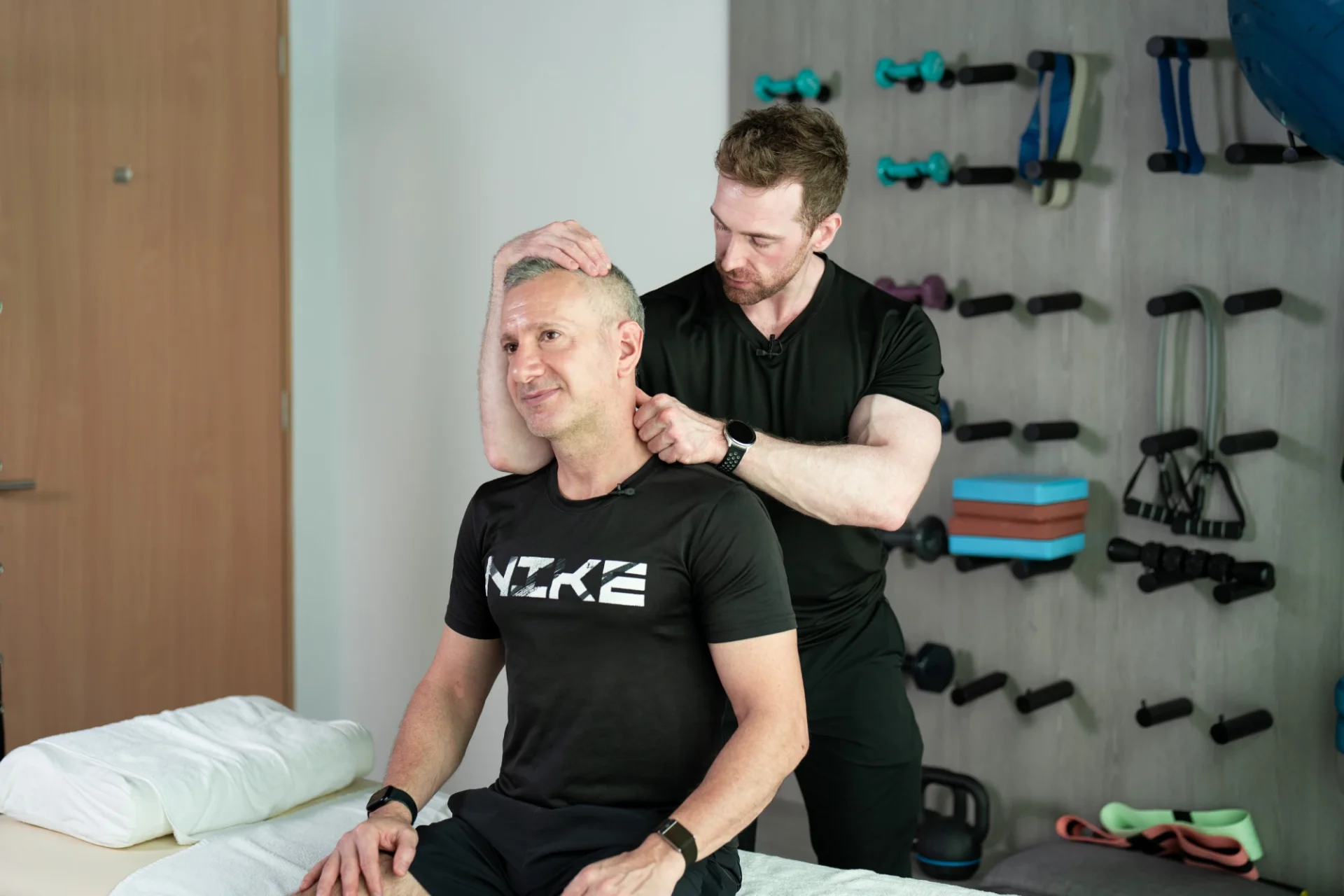
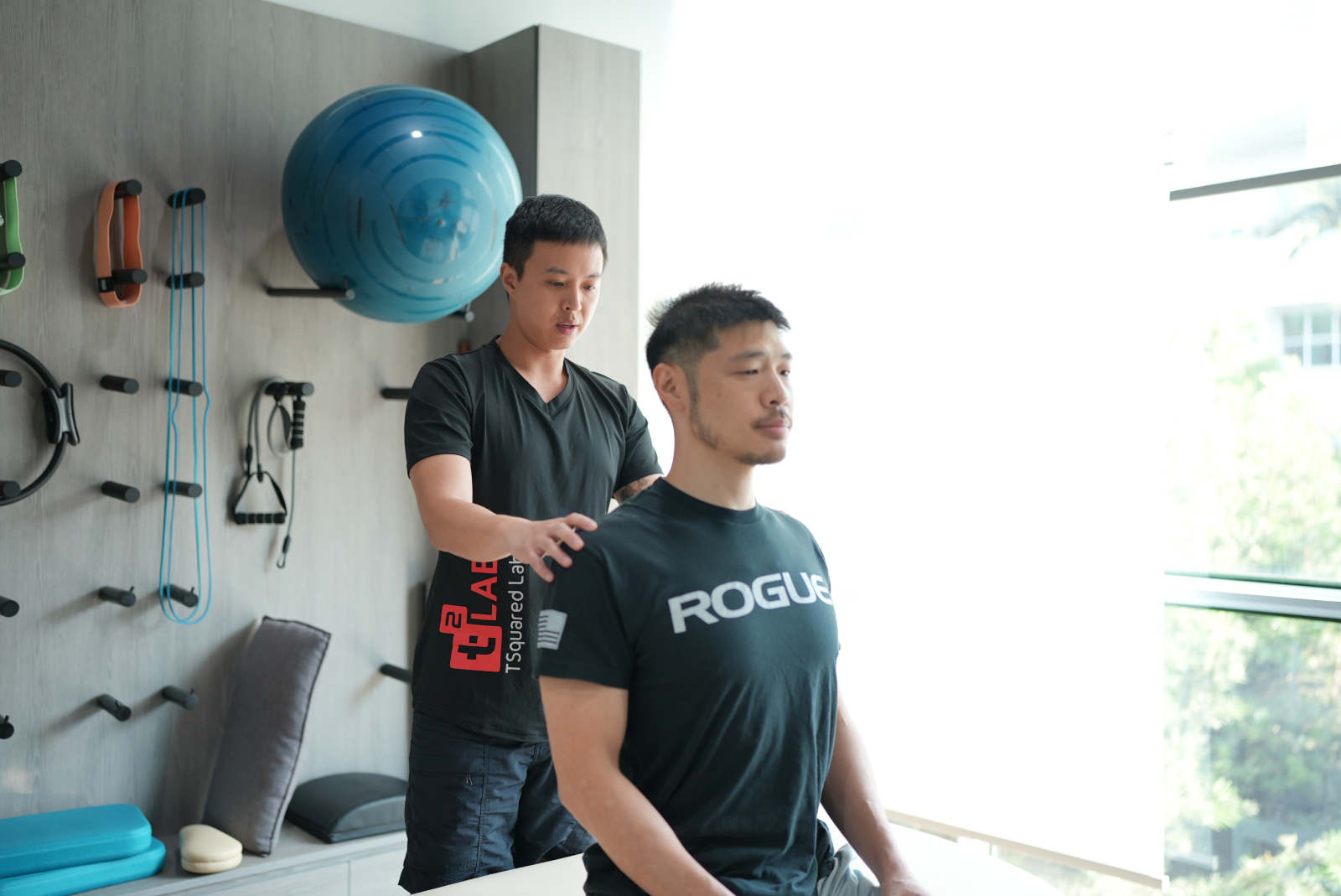
Stretch therapy and guided physiotherapy remain valuable for improving range of motion, releasing chronic tension patterns, and supporting postural and neuromuscular alignment. While not a guaranteed injury prevention strategy, when paired with strength and mobility work, they support a more resilient, balanced body.
Ultimately, the effectiveness of recovery tools lies in individualisation. At TSquared, we don’t prescribe modalities for the sake of trend. Instead, we build personalised recovery plans, ones that prioritise science, context, and how your body responds, so each tool serves a clear, purposeful role.

The Real Risk of Skipping Recovery: Burnout, Plateaus, and Chronic Pain
Training without recovery is not discipline, it’s dysfunction. Over time, under-recovered bodies begin to display the same patterns: persistent soreness, sleep disruption, performance plateaus, frequent illness, joint stiffness, and a creeping sense of fatigue that no amount of caffeine can fix.
Women, in particular, are vulnerable to the consequences of under-recovery, especially when navigating perimenopause, high cortisol, sleep challenges, or thyroid imbalances. Without regenerative practices, the very training that once energised begins to deplete.
Recovery isn’t a weakness. It’s a strategy. And building it into your training rhythm, weekly, monthly, and seasonally, is the only way to truly evolve.
Final Thoughts
Progress isn’t just built in the weight room or on the track; it’s built in the spaces between effort. It’s shaped by your ability to recover, to restore, to come back stronger. Recovery and regeneration are not afterthoughts. They’re the foundation of sustainable fitness, performance, and longevity.
In the long game of health, it’s not who trains the hardest, it’s who recovers the smartest.