

Ee Ling’s Transformation Journey


Ee Ling’s Transformation Journey
Ee Ling was no stranger to movement. “I do various exercises like yoga, Pilates and dance.”
But something wasn’t clicking. Despite staying active, she didn’t feel grounded in strength. That shift came through a conversation with her sister, who practiced weightlifting and saw things differently: “She impressed upon me the importance of doing strength training because you lose bone density and muscle mass as you age.”
For Ee Ling, that clicked like a puzzle piece falling into place: “It was a missing piece of the jigsaw puzzle.”
She wasn’t looking to lose weight, she wanted to gain something deeper: resilience, power, and presence. That’s when she decided to step into strength training.
Ee Ling met Josh at The TSquared Lab, and their first task wasn’t about dumbbells; it was about diet. Josh explained: “One of the first approaches we took was we sort of broke down her diet and nutrition, implement a high protein diet that will be extremely beneficial for someone that is trying to build muscle.”
Ee Ling quickly saw that this meant changing her relationship with food, not to restrict, but to rebuild.
“This new diet meant that I had to eat more mindfully, higher intake of protein to build muscle mass.”
She started leaning away from carbs and focusing more on quality: “If I could, I would definitely less carbs, and also the emphasis on eating clean and whole foods.”
In the early days, Ee Ling remembers struggling with assisted pull-ups: “Before we started I could only do two assisted pull-ups with the band.”
But with consistent training, her strength started surprising her. “Midway, I could do about 20.”
Josh emphasised technique and internal awareness: “There’s a lot of internal cues, we were so close to getting that pull up.”
As she got stronger, it wasn’t just about performance, it was about how her body felt in motion.
Ee Ling was no stranger to movement. “I do various exercises like yoga, Pilates and dance.”
But something wasn’t clicking. Despite staying active, she didn’t feel grounded in strength. That shift came through a conversation with her sister, who practiced weightlifting and saw things differently: “She impressed upon me the importance of doing strength training because you lose bone density and muscle mass as you age.”
For Ee Ling, that clicked like a puzzle piece falling into place: “It was a missing piece of the jigsaw puzzle.”
She wasn’t looking to lose weight, she wanted to gain something deeper: resilience, power, and presence. That’s when she decided to step into strength training.
Ee Ling had a solid background in yoga, Pilates, and dance, but realised strength training was the missing component in her fitness puzzle after speaking with her sister.
When she started, she could barely complete two band-assisted pull-ups. Midway through her journey, she was knocking out 20, showing a massive leap in upper body strength.
With Josh’s guidance, Ee Ling trained throughout her pregnancy, modifying exercises to accommodate her changing body and ensuring both safety and effectiveness.
Ee Ling met Josh at The TSquared Lab, and their first task wasn’t about dumbbells; it was about diet. Josh explained: “One of the first approaches we took was we sort of broke down her diet and nutrition, implement a high protein diet that will be extremely beneficial for someone that is trying to build muscle.”
Ee Ling quickly saw that this meant changing her relationship with food, not to restrict, but to rebuild.
“This new diet meant that I had to eat more mindfully, higher intake of protein to build muscle mass.”
She started leaning away from carbs and focusing more on quality: “If I could, I would definitely less carbs, and also the emphasis on eating clean and whole foods.”
In the early days, Eeling remembers struggling with assisted pull-ups: “Before we started I could only do two assisted pull-ups with the band.”
But with consistent training, her strength started surprising her. “Midway, I could do about 20.”
Josh emphasised technique and internal awareness: “There’s a lot of internal cues… we were so close to getting that pull up.”
As she got stronger, it wasn’t just about performance, it was about how her body felt in motion.
It made me really happy to continue being able to exercise, I felt good after exercising, it’s making my pregnancy a happy one.”
It made me really happy to continue being able to exercise, I felt good after exercising, it’s making my pregnancy a happy one.”
Ee Ling had a solid background in yoga, Pilates, and dance, but realised strength training was the missing component in her fitness puzzle after speaking with her sister.
When she started, she could barely complete two band-assisted pull-ups. Midway through her journey, she was knocking out 20, showing a massive leap in upper body strength.
With Josh’s guidance, Ee Ling trained throughout her pregnancy, modifying exercises to accommodate her changing body and ensuring both safety and effectiveness.
Ee Ling’s strength training didn’t stay in the gym. It rippled through every movement discipline she practiced, from ballet to yoga.
“I could feel that I had much better posture. Better stamina for sure. And the ability to hold the legs in a higher extension position for much longer.”
She noticed a crucial difference between flexibility and strength: “With flexibility, you can do certain poses, they might only look very nice for like two seconds instead of holding five seconds.”
That power translated into control, no longer just looking graceful, but owning it.

Then came the news-Ee Ling was pregnant. Many would slow down. Ee Ling adapted. “As soon as I found out, I actually took the first trimester to monitor.”
Josh, pre- and postnatal certified, redesigned their approach with precision: “Whether she should be lying at an upright angle or whether we’re challenging the core properly because of the change of center of gravity.”
Josh explained the science behind her shifts: “In pregnancy, there’s this hormone called relaxin, it results in a lot of aches.”
Their strategy wasn’t just about avoiding injury, it was about thriving: “It made me really happy to continue being able to exercise, I felt good after exercising, it’s making my pregnancy a happy one.”
Looking back, Ee Ling sees more than muscle gains, she sees growth in every direction.
“You have to keep turning up for consistent training.” What began as curiosity about strength became a lifestyle rooted in knowledge, movement, and joy.
And the setting made it possible: “The trainers, they are all very attentive, one on one, it’s not a judgmental space, everyone is on their own journey.”
In the end, Ee Ling didn’t just train through pregnancy or hit pull-up goals. She built a mindset. “I learned so much, Josh was patient and kind, and now I know what my body is capable of.”

Witness how strength becomes a way of life, not just a workout.


Empower yourself with valuable resources related to training, nutrition, and well-being along with expert advice from world’s leading personal trainers helping you to address your unique fitness and health goals.

Introduction: The Perimenopausal Reset A woman in her mid-forties walks into a training consultation at TSquared Lab. She has trained consistently for most of her adult life. The routine that worked for a decade is still in place. The gym sessions are still happening three or four times a week. The nutritional discipline is still […]

Introduction: The Context Winner Principle A client walks into a nutrition consultation at TSquared Eats with a specific question. She has been reading nutrition content on social media, where cottage cheese has been enjoying one of its periodic revivals as a high-protein superfood. She has been eating Greek yoghurt every morning for years. She has […]

This article is general health information. It is not a substitute for an individual assessment, diagnosis, or treatment. If you have severe, worsening, or unexplained symptoms, please seek medical advice promptly. It is one of the first questions people ask, and it is a fair one. You are in pain, your time is limited, and […]

Introduction: The Ageing Gap Two adults walk into a longevity consultation on the same morning. Both are fifty years old by their identity cards. One has the cardiovascular markers, cognitive performance, muscle mass, inflammatory profile, and metabolic signatures of a healthy forty-year-old. The other has the markers of a sixty-year-old, with elevated inflammation, borderline insulin […]

Getting fit is not complicated in principle. Progressive loading, structured recovery, adequate protein, consistent effort across months and years. The outcome, if those inputs are in place, is predictable: a stronger, more capable body that accumulates physical capacity rather than eroding it. The gap between that version and what most people actually experience is not […]

There is a version of this story that is not true. It says that muscle loss after forty is simply a function of ageing, that the biology is fixed, and that the best anyone can do is slow the decline. The evidence does not support that framing. What the evidence does support is this: the […]

Most people use mobility and flexibility as though they mean the same thing. In physiotherapy, they do not. The distinction is clinically significant, and treating these three terms as synonyms leads to training approaches that produce either limited results or avoidable injury. This blog draws a clear line between mobility, flexibility, and stability, explains the […]

You receive a diagnosis of polycystic ovary syndrome. Your doctor confirms irregular cycles, elevated androgen levels on a basic panel, and perhaps the characteristic appearance on ultrasound. A standard blood test returns a normal fasting glucose. You are told your blood sugar is fine, and that managing PCOS is largely a matter of lifestyle. Six […]

Introduction: The Return Readiness Gap The question new mothers ask most often about returning to training is a question about timing. When can I start lifting again? When is it safe to run? When can I go back to the classes I was doing before? The question is understandable. After nine months of adapted training […]

Of all the things a nutritionist might nag you about, fibre is the quietest and the most overlooked. It is not a trendy macronutrient, it does not come with a supplement aisle of its own, and almost nobody tracks it the way they track protein or calories. Yet it is one of the few dietary […]
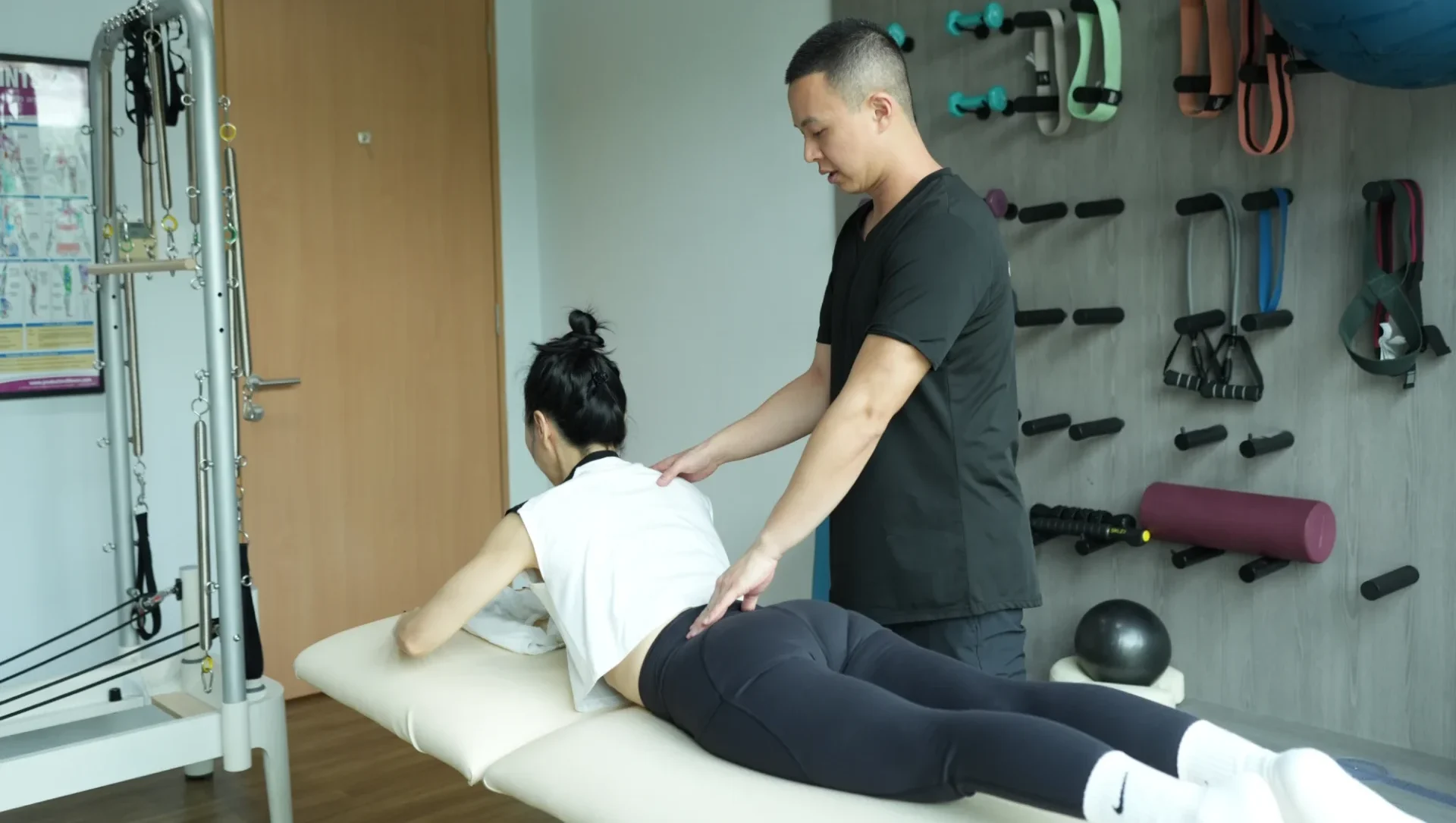
Introduction: The Surgical Default Few musculoskeletal presentations are as alarming to the person experiencing them as sciatica. The pain begins in the lower back and runs down the leg, sometimes to the calf or the foot, with a sharp, electrical quality that is different from any other pain the person has felt before. It can […]

his article is general health education. It is not a substitute for individual medical advice. If you have a heart condition, other medical conditions, or symptoms such as chest pain or breathlessness on exertion, please speak to a doctor before starting vigorous exercise. Ask most people which number best predicts how long they will live, […]

You train three times a week. You rarely miss a session. You leave tired, often sweaty, with the quiet satisfaction of having done the work. And yet, six months on, the weights on the bar are the same, the mirror looks the same, and the numbers that matter have barely moved. This is one of […]

Most people who struggle to eat consistently well are not confused about what healthy eating looks like. They know that vegetables matter, that protein is important, that ultra-processed food is not serving them. The knowledge is not the problem. The problem is that knowing what to eat and having it ready when you need it […]
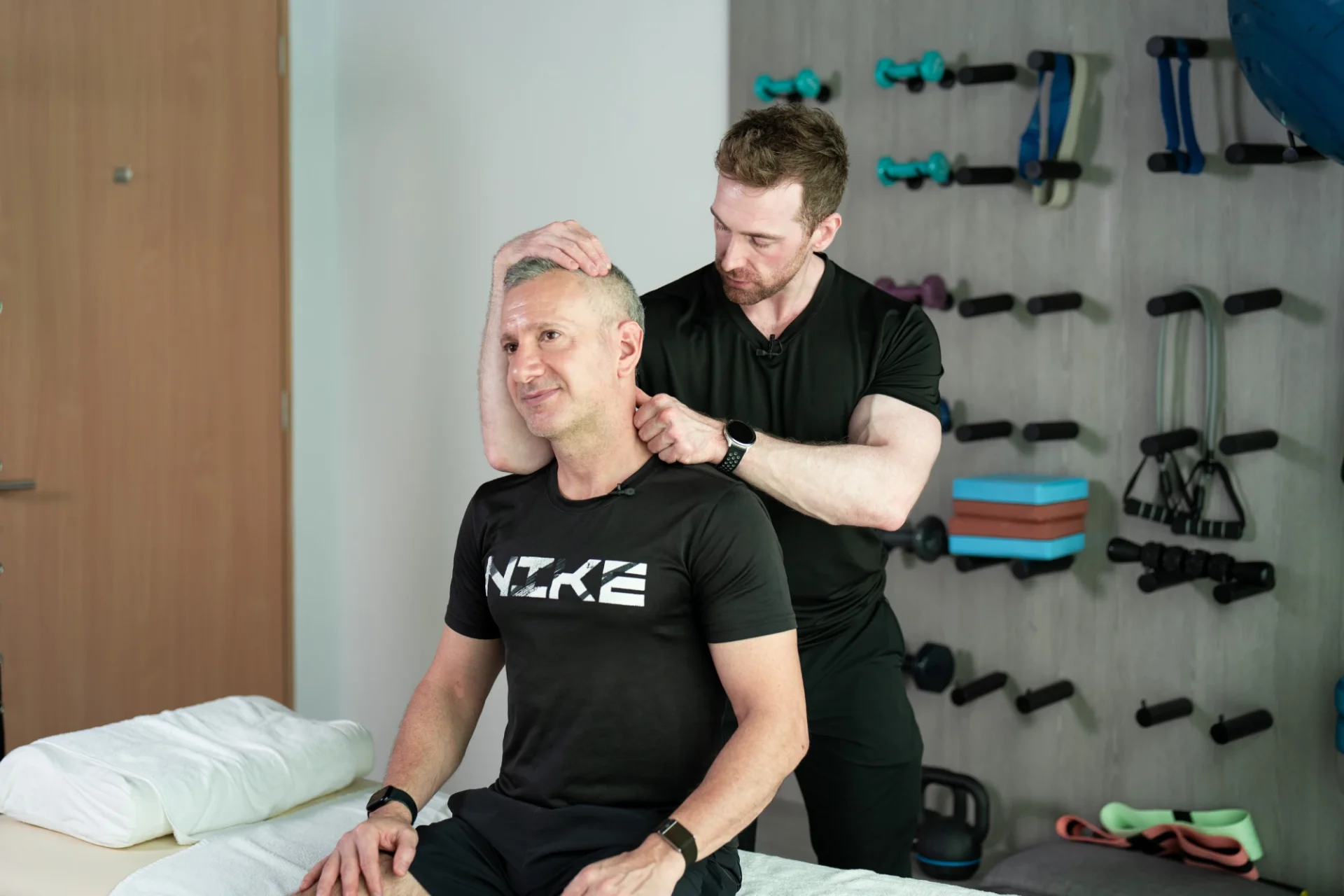
Introduction: The Misrouted Signal Most people who get frequent headaches have a theory about what is causing them. Screen time. Stress. Dehydration. Poor sleep. Migraine. What is far less commonly considered, and far less commonly assessed, is the neck. A significant proportion of recurring headaches do not originate in the head at all. They originate […]

Introduction: The Sunshine Paradox Singapore sits one degree and seventeen minutes north of the equator. The sun passes near-vertically overhead year-round. UV index readings regularly reach extreme levels. By every climatic measure, this is one of the better locations on earth for producing vitamin D in human skin, which is how most of the vitamin […]

The most consequential lifestyle decision available to an adult over 50 is not a supplement, a diet framework, or a wellness protocol. It is whether they lift weights. The evidence supporting this claim is not fringe. It is drawn from large longitudinal studies, systematic reviews, and clinical guidelines from the major sports medicine and geriatric […]

You train consistently. You show up. You put in the work. But if the meals between sessions are undoing the effort you put in at the gym, progress will stall regardless of how well-structured your programme is. This is one of the most common gaps in the health journeys of high-performing professionals in Singapore. Time […]
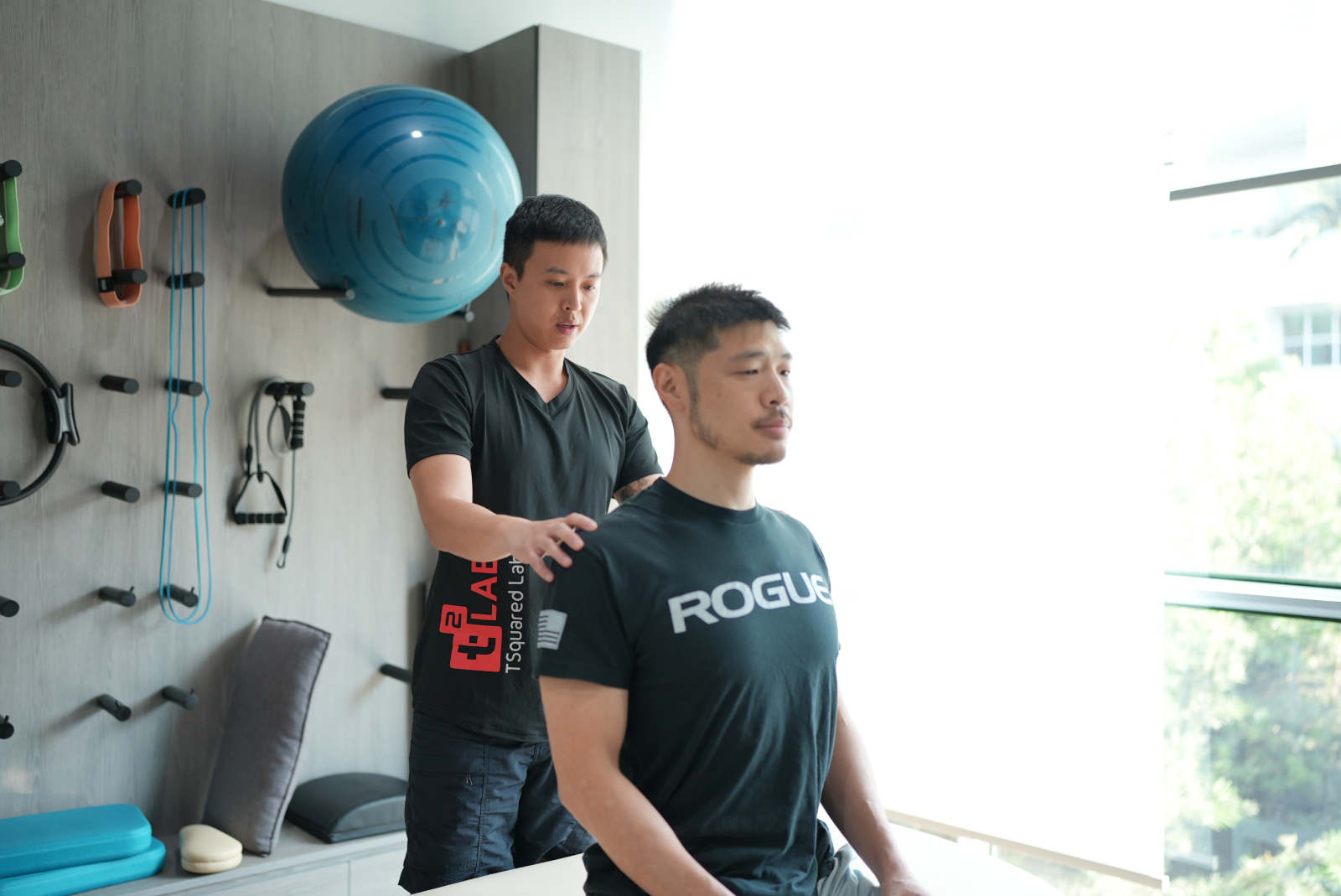
Quick answer: Recovery timelines vary, but for most people symptoms ease meaningfully within 2 to 6 weeks, they are back to most work and daily activities by 6 to 12 weeks, and full function returns after about 12 weeks. Bed rest is not recommended. Gentle movement and progressive loading guided by a physiotherapist is the […]

HbA1c is one of the most widely measured and most consistently misinterpreted metabolic markers in clinical practice. It appears on almost every standard health screening panel. It is used as the primary criterion for diagnosing type 2 diabetes and prediabetes. And it is one of the few metabolic markers most patients receive with a number […]


Subscribe to our newsletter today and stay up-to-date on all the latest happenings.
Subscribe to our newsletter today and stay up-to-date on all the latest happenings.
 by
EngageBay

991F Alexandra Rd, Singapore 119974
Nearest MRT: Labrador Park
Phone: +65 8891 8313
Phone: +65 6970 8510
Email: hello@tsquaredlab.com
Monday: 6 am–9 pm
Tuesday: 6 am–9 pm
Wednesday: 6 am–9 pm
Thursday: 6 am–9 pm
Friday: 6 am–9 pm
Saturday: 6 am–4 pm
Sunday: Closed
30 Raffles Pl, #22-01, Singapore 048622
Nearest MRT: Raffles Place
Phone: +65 8381 6718
Phone: +65 6518 4669
Email: raffles@tsquaredlab.com
Monday: 6 am–9 pm
Tuesday: 6 am–9 pm
Wednesday: 6 am–9 pm
Thursday: 6 am–9 pm
Friday: 6 am–9 pm
Saturday: 6 am–4 pm
Sunday: Closed


