


Why Women's Health and Wellness Matters?
Fat Loss and Weight Management
Our tailored programs focus on creating calorie deficits and enhancing metabolism through balanced nutrition and consistent exercises to achieve sustainable fat loss and weight control.Strength Training
Women need specific adjustments to address their unique physiological differences and goals, such as enhancing bone density and muscle mass.Injury Recovery
Our program focuses on rehabilitation exercises and techniques to recover from injuries. This may involve physical therapy, mobility work, and strength building to restore function and prevent future injuries.Prenatal Fitness and Strength Training
Exercises and strength training designed to support the body through pregnancy, focusing on maintaining overall fitness, managing weight, and preparing the body for labor and delivery.Postnatal Recovery Training
Targeted exercises for recovery after childbirth, addressing core strength, pelvic floor health, and overall fitness to help women regain strength and energy while adapting to the new physical demands of motherhood.Menopausal Management Training
Fitness strategies aimed at managing symptoms of menopause, such as weight gain & reduced bone density. This includes strength training, cardiovascular exercise, & workout routines to support hormonal changes & maintain overall health.How can
TSquared Lab help
women, prioritise their health?
Careful Planning
We leave no room for chance. Our meticulously planned programs are designed to guide you toward your desired outcomes and we pay close attention to every aspect of your journey, leaving no stone unturned in your transformation journey.Science-Based Practices
Our methodologies are grounded in the latest scientific research, ensuring that every step is supported by sound knowledge. By integrating science-backed research into our programs, we ensure that our clients receive the highest quality of care in their journey.Consistency
Lasting change is the product of unwavering consistency. We'll be there with you every step of the way to help you maintain your commitment to your well-being, providing guidance, support, and motivation to ensure your continued success.The TSquared Lab Experience
What truly sets us apart is the TSquared Lab experience. Here it is not just about fitness; it's a holistic journey that reflects our core values, it's a commitment to your success, well-being, and personal growth. Together, we'll not only transform your body but also empower you to lead a healthier, and fulfilling life.
How can TSquared Lab
help women, prioritise their health?
Be Moved by the Inspiring
Transformations of Our Clients
Achieve your goals, become your best self.


Their Journey, Your Inspiration
Get Inspired by the journey of our clients! Every journey is a story of strength,
resilience, and growth.
If they can do it, so can you!


Take your transformation to a whole new level with a team that stands out from the rest!
We are dedicated to help you achieve and surpass your transformation goals one session at a time.
With expert guidance and a personalised approach, together we will conquer every milestone.
Interested to get trained by World’s Leading Transformation Experts?
We are dedicated to help you achieve and surpass your transformation goals one session at a time.
With expert guidance and a personalised approach, together we will conquer every milestone.
Interested to get trained by World’s Leading Transformation Experts?


Afshan Thakkar set up TSquared Lab to challenge what a traditional gymnasium can- and should - offer, 9000sq ft.


World's leading personal trainers at fastest growing result focussed fitness ecosystem in Singapore.

TSquared Lab Singapore, stands out for its dedication to offering the finest personal training experience.

If your goal is more than just aesthetics, if you’re seeking longevity, peak performance, and true lifestyle transformation, TSquared Lab is your ultimate personal training destination.

They’ll help you become the best version of yourself.

They offer a bespoke training experience guided by some of the world’s leading personal trainers.

Their real secret weapon, however, lies in what they call their “A-team” of experts, each among the top in the industry.

It offers much more than just an ordinary gym experience in Singapore, it’s a revolution in Fitness, Health, and Nutrition.

TSquared Lab emerges as a beacon of innovation in Singapore’s fitness landscape.

TSquared Lab – is Singapore’s most holistic gym.

What truly sets TSquared Lab apart is its holistic methodology, seamlessly integrating personalised training programs with advanced recovery therapies and expert nutrition planning.


Lay Jia Min

Customized training program. PT Joshua always makes sure I push my boundaries yet making the sessions enjoyable, very happy with my results after 1 year under him.
Read moreMabel Ng
Training with Coach CX over the past 10 months has been a truly transformative journey! I’ve not
only lost 10kg and reduced my body fat by 7%, but I’ve also gained strength, resilience, and
even a much stronger immune system. My triglycerides were at an unhealthy high before I started,
and now they’re at an optimal level—something I never thought I’d achieve!
When I first joined, I had a pre-existing hairline crack at my lower back which I was very
concerned. Coach CX’s expertise in injury management was clear from the start—he carefully
tailored a program that was both safe and effective, allowing me to progress without aggravating
my past injury.
What impressed me most was his dedication beyond the gym. Recently, I suffered a thumb injury,
and instead of simply modifying my workouts, he went above and beyond. He sourced a specialized
practice tool to demonstrate exercises I could do at home to strengthen my thumb and aid
healing. This clearly demonstrated how much he genuinely cares about his clients’ well-being.
Before training with Coach CX, I rarely exercise, but now I genuinely enjoy my gym sessions. His
focus on proper form and technique has not only made my workouts more effective but also given
me the confidence to train on my own. Fitness has become a natural part of my lifestyle, and I
feel stronger and healthier in my 50s than ever before.
I highly recommend Coach CX to anyone looking for a personal trainer who’s not only an expert in
body transformation but also truly invested in your well-being.
KY L
I started personal training with Raihan in July 2024, and the experience so far has been
genuinely positive. Raihan has been accommodative, tailoring the program to suit my individual
progress and needs. This personalized approach has allowed me to steadily build strength over
time.
What stands out about Raihan’s training style is the focus on sustainable, progressive
improvement rather than quick fixes, which I’ve found both motivating and effective. Overall,
it’s been a rewarding journey, and I’m pleased with the progress I’ve made under her guidance.
Jansen Tan
Training at TSquared Lab Raffles with Coach Lex has been a great experience. Over 15 sessions,
I’ve lost 6.2% body fat and gained 4.9kg of lean mass. Lex’s coaching is detailed and
personalized, which has really helped me stay on track.
The gym has a welcoming and supportive environment, and the team genuinely cares about helping
you reach your goals. I’d recommend TSquared Lab Raffles to anyone looking to make actual
progress in their fitness journey.
June Gee
Being almost half a Centurion, I have struggled with weight gain and lethargy for the past 4 years. In my recent Personal Training fitness journey with TSquared Lab, Coach Derek has been an amazing inspiration. He is a very detailed and experienced coach who is always ensuring I get the most out of each session. There is never a dull moment in every lesson with Derek, constantly challenging my limits and increasing strength, with all done under his supervision and support. In 4 months, I have experienced a reduction of 5kg in weight and 9% fat loss, thanks to Coach Derek for this amazing result and journey. 🧡
Read moreJasmine Teo
I had Kelly as my trainer for this year, and she’s been a great friend/companion in my fitness journey.. highly recommend to take up her sessions as she always feels like a friend who’s there for you :)
Read moreTeng Koon Lim
I started my program with Nicholas just over 3 months. I have never done much gym work to begin with. He has been absolutely brilliant in coaching me from scratch with the finest details and encouragement. The workout has seen very positive results and most importantly enjoyable and is sustainable(my fear for injuries). Kudos and I fully recommend it even to absolute noobs and beginners.
Read moreS T
I decided to push myself after having been in a rut for the whole of 2024 and signed up for
TSquaredLabs personal training. I have been doing so for the past 5 sessions. I have had a very
positive experience thus far, both with the gym and my coach, and wanted to write a review.
I’ve been training with Lex; from day one, he’s been incredibly approachable, positive, and
encouraging, making it easy for me to really push hard in every session and not worry about
other things.
What truly sets Lex apart is his attention to detail and holistic approach. Outside the gym, he
meticulously tracks my food intake, steps, and overall progress of things I do to ensure my
lifestyle is aligned with my goals. Inside the gym he always ensures that safety and proper form
are always prioritized. Quite evident in every exercise is his deep knowledge of muscle
activation and exercise science.
Thanks to Lex’s guidance, I’ve already seen very promising results—losing 1.6% body fat in just
two weeks with my goal of 1% every week.
The gym itself is high quality equipment, friendly staff team who also knows my name, clean
environment (constant wipe downs!) and I’m happy to have chosen this gym instead of the others
out there 👍💪
Valerie Lee
I’ve trained with Raihan for more than a year and I could definitely see myself getting stronger and better than before. She’s the most amazing, patient, responsible and motivating trainer who always make our sessions enjoyable while pushing limits, and having her to keep my dieting habits and lifestyle in check motivates me to adopt a healthier lifestyle and mindset. Definitely recommend her :)
Read moreMika J
Having trained by Nicholas almost 2 months now, I can see the immediate change which I'm so happy for it. He can provide detailed instructions and also identify the issues in my form and execution. I'm motivated and have been so active since I started working out at this gym and I highly recommend them! Lastly the facilities including shower room is clean which I also rated as 5 stars!
Read moreSeow Har Goh
TSquared Lab provides good training environment. It is clean with well maintained facilities. I have great experience with trainer Renee, who is willing to adapt training programme to suit my needs.
Read moreCharayaphan Nakorn Boon Han
Ivan Ang is an exceptionally motivational and knowledgable trainer who provided lots of support and guidance in my fitness journey. I learnt so much and attained my fitness goals smoothly, and this encourages me to leep training and improving. Highly recommend.
Read moreJoyce Lau
I can’t recommend my PT, Brandon enough! From the moment I started working with him, I could tell he was genuinely invested in helping me achieve my fitness goals. He took the time to understand my needs, assess my abilities, and create a personalized plan that challenged me in all the right ways. Brandon is incredibly knowledgeable, motivating, and supportive. He not only push you to be your best but also ensure I'm using proper form and technique to avoid injury, nagging me when I done it wrongly. Every session feels fresh and exciting, I always look forward my 1 hour with him. Kudos to Brandon, I’ve seen amazing results, both physically and mentally and achieving to my desire outcome. He helped me build strength, confidence, and a healthier lifestyle that I never thought was possible.
Read moreJiabin Tang
Totally recommend getting yourself trained at TSquaredLabs!
Thoroughout my training journey, Richie has been very patient and was constantly checking on me for
the intensity level, the challenges and progress loading and intensity was just what my body could
handle, In terms of meals, there is accountability as well - he also constantly checks if I’m
eating by well enough for muscle strength and growth, which commercial gyms doesn’t quite.
Thanks to Riche’s guidance, I am able to lift heavier both for machine and dumbells.
I’ve also seen steady increment in my muscle mass too.
On top of this, TSquaredLabs’ service is transparent (numbers are on their website) and response
are prompt. Generally good positive vibes at the training location as well.
I’m very likely to come back to train once my commitments are lesser.
Thanks again, Richie & TSquaredLabs team! :)
M L
I had an excellent experience training with Leann. She provided a fantastic introduction to
strength training, equipping me with the baseline knowledge, techniques, and good habits needed to
train effectively. With the conclusion of my package, I feel confident enough to continue
self-training, and cultivate this as a lifelong habit!
One of Leann's standout qualities is her focus on form and safety. She watched my movements closely
and gave effective cues or alternative exercises to help me engage the right muscles. This
in-person feedback was invaluable—something you can’t replicate with online resources.
Leann was able to share science-based explanations to help me understand not just the ""how"", but
also the ""why"".
She is also highly encouraging, making sure I progressed in my training. My strength improved
significantly—for instance, I went from a 6kg chest press dumbbell to 11kg with assistance over 4
months.
She also offered practical nutrition advice, emphasising a sustainable, protein-rich diet rather
than simply counting calories. This approach kept me motivated even when I occasionally slacked
off.
Leann also provided practical tips to help me continue training on my own, such as how to set up
machines and modify exercises based on equipment available.
The Tsquared facilities were excellent, with a variety of well-maintained equipment, clean shower
areas, and friendly staff.
Overall, Leann made strength training a very enjoyable journey. I will recommend her to anyone
looking for a knowledgeable, attentive, and motivating trainer!
Harsimran Singh
T Squared Lab has been instrumental in my fitness journey. And this has been made possible by my brilliant PT Haz. After trying out a few different PTs, I found Haz to be a perfect combination of solid technical skill and great communication skills. She is very diligent, pushes me in the right way while ensuring safety. She constantly reviews and adapts my training program based on my evolving goals and busy life. She is super awesome and I am so grateful to her for helping me make a better version of myself.
Read moreJoey L
Trained with Erly for a short period and find her to be very professional and dedicated. She is friendly and able to explain and ensure one execute correctly during trianing with machines & weights. In addition, would like to compliment on Isa who is very helpful and patient; helping and explaining to me on the adminsitration of my sessions.
Read moreMin Hui Oon
This was my first time working with a personal trainer, and after 7 months of training with Elvis,
I can confidently say it has been a wonderful experience! Throughout the training, Elvis had
demonstrated an exceptional understanding of fitness and nutrition, helping me gain better insight
into the importance of combining proper food intake with resistance and cardio training tailored to
my specific goals.
Elvis designed a personalized training plan that suits my needs and fitness level, and I’ve seen
remarkable improvements in my physique, with noticeable changes in my muscle mass and a reduction
in body fat percentage.
Elvis is also patient and meticulous during training as pays close attention to ensuring my posture
and form are correct during every exercise, which not only maximizes the effectiveness of each
workout but also significantly reduces the risk of injury. His patience and attention to detail
make every session feel safe and productive, even as I push my limits.
Additionally, he also closely monitors the progress and will make adjustments to the training
program whenever necessary such as to accomodate a physical limitation or adapt to my energy levels
on a particular day. These adjustments have greatly supported my progress and minimized burnout.
Thanks to Elvis, I’ve built a strong foundation for a healthier lifestyle and developed a newfound
appreciation for fitness. His dedication, expertise, and supportive demeanor have made this an
exceptional experience.
I highly recommend Elvis to anyone seeking a knowledgeable and patient trainer who truly cares
about your progress and well-being! Also, I would like to thank Tsquared for providing a
comfortable and friendly gym envrionment where I feel welcomed and supported in my fitness journey.
Sherine Lee
Nurwana has been an absolutely gem to work with! The statistics speak for themselves as I saw a significant improvement in my muscle mass, body fat %, aside from just feeling awesome! And all just within a couple of months ! Her holistic approach ensured I was well taken care of both within and outside the gym. I love how the diet she recommends (and monitors for me) includes food that is easily available and tastes good ! Very practical! I also appreciate her flexibility and being always available to consult. If you’re looking to get in shape fast, I’d highly recommend Nurwana !
Read moreAnnarita Facchetti
I have been in T Squared Lab for several months and I have found a very nice environment and I felt comfortable in it. I was trained to Angelica, she teach me how to do exercises in the right way, she was precise in how I did exercises and also professional. I have had also a chance to become trained some time with Darren and I can say that he follow me very well. My strength, my lean mass increased and I feel better than when I started the journey at T Lab. I really enjoyed stay in T Square Lab and I highly recommend it.
Read moreFrequently Asked Questions
Frequently
Asked
Questions
Q. What are the key components of a balanced diet for women?
It is important for women to ensure adequate intake of essential nutrients such as calcium, iron, and vitamins D and B12, which are particularly important for women’s health.
Q. What are the benefits of regular exercise for women?
Regular exercise helps improve cardiovascular health, maintain a healthy weight, enhance mood, strengthen bones and muscles, and reduce the risk of chronic diseases.
Q. How can women manage stress effectively?
Effective stress management techniques include regular workouts, mindfulness practices (like meditation and yoga), adequate sleep, balanced nutrition, and seeking support from certified professionals.
Q. How can women optimise their fitness routine across different life stages?
Women should adjust their fitness routines based on their life stage. For example, during pregnancy, focus on low-impact exercises and core stability, while in menopause, include strength training to support bone density and metabolism.
Q. What are the benefits of strength training for women?
Strength training helps women build muscle, improve bone density, enhance metabolism, and support overall physical function. It can also reduce the risk of osteoporosis and contribute to better mental health.
Q. How can women maintain pelvic floor health?
To maintain pelvic floor health, women should incorporate pelvic floor exercises into their routine. Maintaining a healthy weight, and staying active with regular exercise also contribute to overall pelvic health.
TSquared Lab Blog
Empower yourself with valuable resources related to training, nutrition, and well-being along with expert advice from world’s leading personal trainers helping you to address your unique fitness and health goals.

Perimenopause and Weight Gain in Singapore: A Fitness Coach’s Playbook
Introduction: The Perimenopausal Reset A woman in her mid-forties walks into a training consultation at TSquared Lab. She has trained consistently for most of her adult life. The routine that worked for a decade is still in place. The gym sessions are still happening three or four times a week. The nutritional discipline is still […]

Cottage Cheese, Greek Yoghurt, and Tofu: Which Protein Source Wins
Introduction: The Context Winner Principle A client walks into a nutrition consultation at TSquared Eats with a specific question. She has been reading nutrition content on social media, where cottage cheese has been enjoying one of its periodic revivals as a high-protein superfood. She has been eating Greek yoghurt every morning for years. She has […]

How Many Physiotherapy Sessions Do I Actually Need?
This article is general health information. It is not a substitute for an individual assessment, diagnosis, or treatment. If you have severe, worsening, or unexplained symptoms, please seek medical advice promptly. It is one of the first questions people ask, and it is a fair one. You are in pain, your time is limited, and […]

Biological Age vs. Chronological Age: What DNA Methylation Testing Reveals
Introduction: The Ageing Gap Two adults walk into a longevity consultation on the same morning. Both are fifty years old by their identity cards. One has the cardiovascular markers, cognitive performance, muscle mass, inflammatory profile, and metabolic signatures of a healthy forty-year-old. The other has the markers of a sixty-year-old, with elevated inflammation, borderline insulin […]

The Cost of Getting Fit Wrong: Injuries, Plateaus, and Wasted Years
Getting fit is not complicated in principle. Progressive loading, structured recovery, adequate protein, consistent effort across months and years. The outcome, if those inputs are in place, is predictable: a stronger, more capable body that accumulates physical capacity rather than eroding it. The gap between that version and what most people actually experience is not […]

Eating for Muscle After 40: Why Your Nutritional Needs Change as You Age
There is a version of this story that is not true. It says that muscle loss after forty is simply a function of ageing, that the biology is fixed, and that the best anyone can do is slow the decline. The evidence does not support that framing. What the evidence does support is this: the […]

The Difference Between Mobility, Flexibility, and Stability (and Why It Matters)
Most people use mobility and flexibility as though they mean the same thing. In physiotherapy, they do not. The distinction is clinically significant, and treating these three terms as synonyms leads to training approaches that produce either limited results or avoidable injury. This blog draws a clear line between mobility, flexibility, and stability, explains the […]

PCOS and Metabolic Health in Singapore Women: What Standard Testing Misses
You receive a diagnosis of polycystic ovary syndrome. Your doctor confirms irregular cycles, elevated androgen levels on a basic panel, and perhaps the characteristic appearance on ultrasound. A standard blood test returns a normal fasting glucose. You are told your blood sugar is fine, and that managing PCOS is largely a matter of lifestyle. Six […]

Postnatal Training Singapore: When to Start Lifting Again After Birth
Introduction: The Return Readiness Gap The question new mothers ask most often about returning to training is a question about timing. When can I start lifting again? When is it safe to run? When can I go back to the classes I was doing before? The question is understandable. After nine months of adapted training […]

Why Most Singaporeans Miss Their Fibre Target, and 10 Fixes
Of all the things a nutritionist might nag you about, fibre is the quietest and the most overlooked. It is not a trendy macronutrient, it does not come with a supplement aisle of its own, and almost nobody tracks it the way they track protein or calories. Yet it is one of the few dietary […]
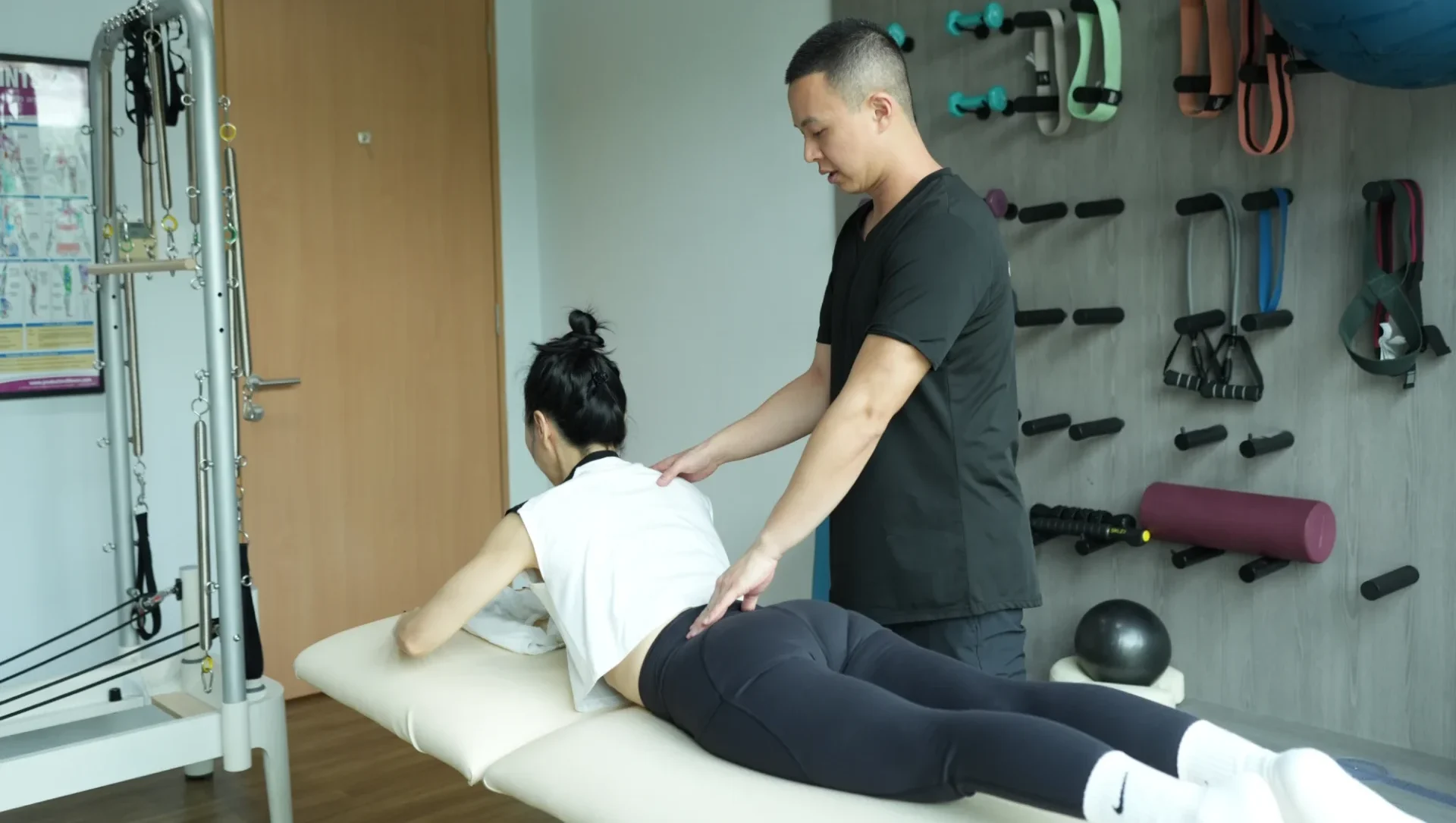
Sciatica Treatment in Singapore: Physiotherapy vs Surgery
Introduction: The Surgical Default Few musculoskeletal presentations are as alarming to the person experiencing them as sciatica. The pain begins in the lower back and runs down the leg, sometimes to the calf or the foot, with a sharp, electrical quality that is different from any other pain the person has felt before. It can […]

What Is VO2 Max, and Why Is It One of the Strongest Predictors of How Long You Will Live
his article is general health education. It is not a substitute for individual medical advice. If you have a heart condition, other medical conditions, or symptoms such as chest pain or breathlessness on exertion, please speak to a doctor before starting vigorous exercise. Ask most people which number best predicts how long they will live, […]

The Plateau Loop: How People Accidentally Maintain Instead of Progress
You train three times a week. You rarely miss a session. You leave tired, often sweaty, with the quiet satisfaction of having done the work. And yet, six months on, the weights on the bar are the same, the mirror looks the same, and the numbers that matter have barely moved. This is one of […]

Why Meal Prep Is the Single Most Effective Habit for Eating Healthily
Most people who struggle to eat consistently well are not confused about what healthy eating looks like. They know that vegetables matter, that protein is important, that ultra-processed food is not serving them. The knowledge is not the problem. The problem is that knowing what to eat and having it ready when you need it […]
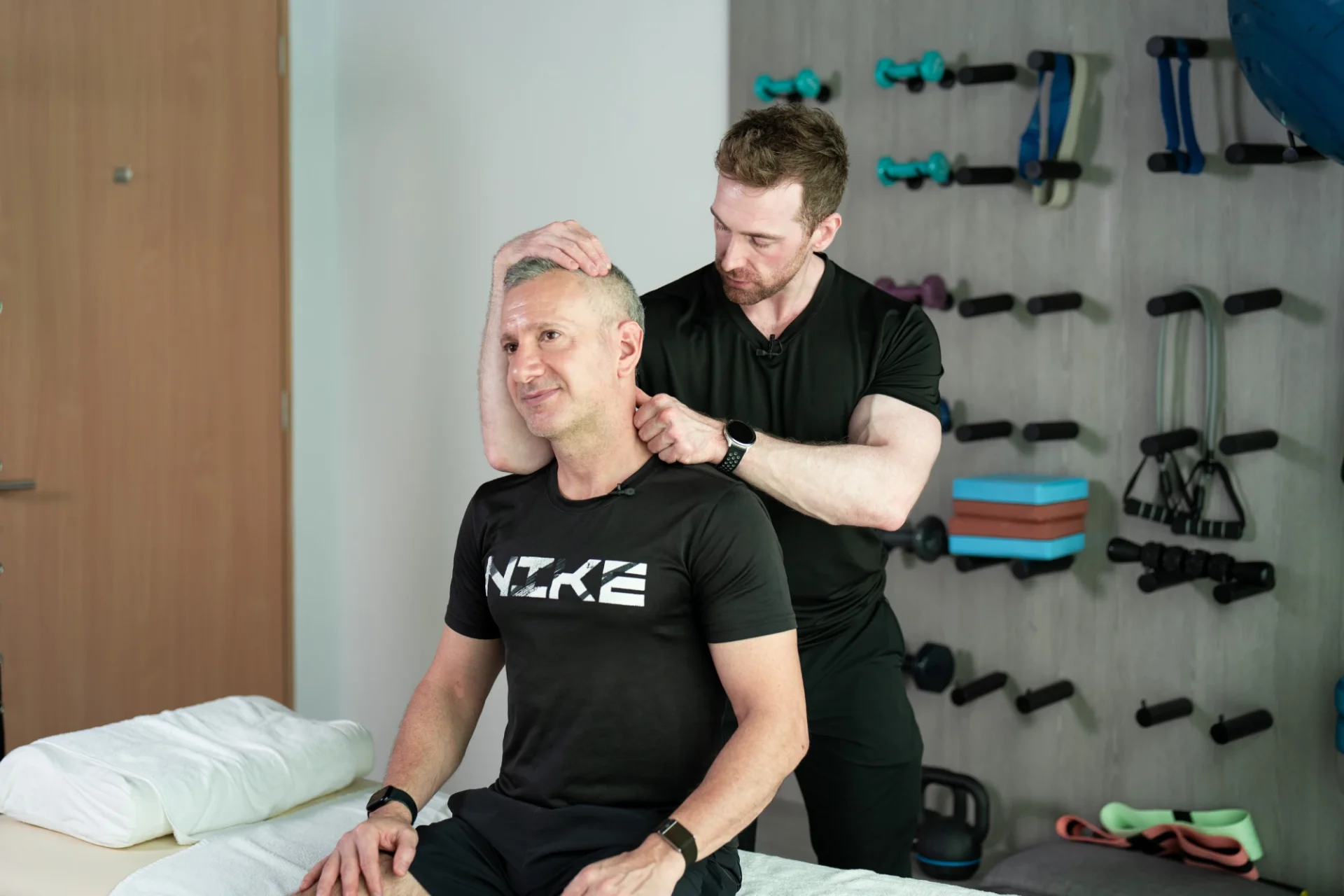
Why Your Headaches Might Be Coming From Your Neck: How Physiotherapy Treats Cervicogenic Headaches
Introduction: The Misrouted Signal Most people who get frequent headaches have a theory about what is causing them. Screen time. Stress. Dehydration. Poor sleep. Migraine. What is far less commonly considered, and far less commonly assessed, is the neck. A significant proportion of recurring headaches do not originate in the head at all. They originate […]

Vitamin D Deficiency in Singapore: Why It’s More Common Than You Think
Introduction: The Sunshine Paradox Singapore sits one degree and seventeen minutes north of the equator. The sun passes near-vertically overhead year-round. UV index readings regularly reach extreme levels. By every climatic measure, this is one of the better locations on earth for producing vitamin D in human skin, which is how most of the vitamin […]

Lifting Weights After 50: Why It Is the Most Important Thing You Can Do for Longevity
The most consequential lifestyle decision available to an adult over 50 is not a supplement, a diet framework, or a wellness protocol. It is whether they lift weights. The evidence supporting this claim is not fringe. It is drawn from large longitudinal studies, systematic reviews, and clinical guidelines from the major sports medicine and geriatric […]

Healthy Food Delivery in Singapore: Why What You Eat Between Sessions Matters
You train consistently. You show up. You put in the work. But if the meals between sessions are undoing the effort you put in at the gym, progress will stall regardless of how well-structured your programme is. This is one of the most common gaps in the health journeys of high-performing professionals in Singapore. Time […]
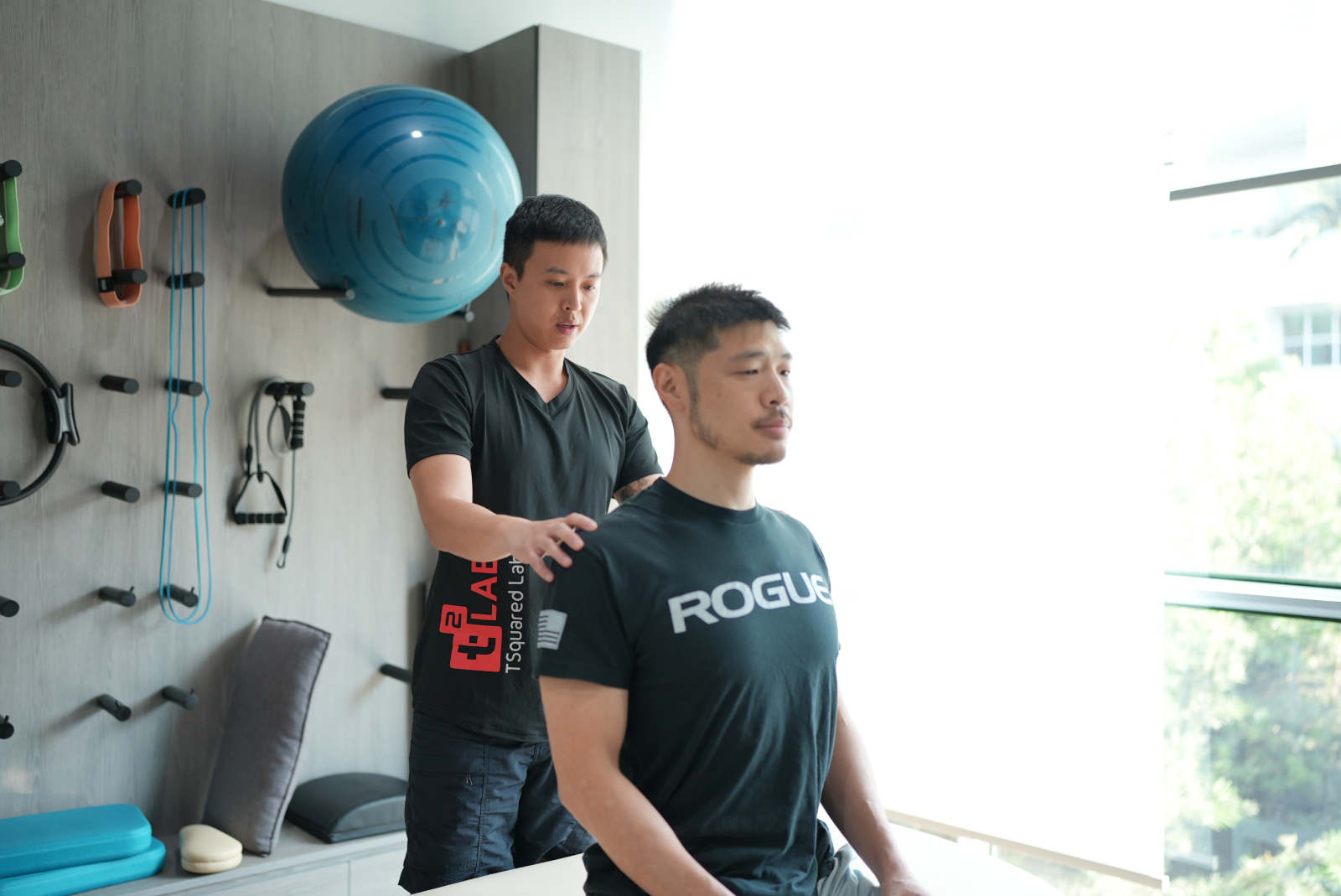
Slipped Disc in Singapore: Symptoms, Recovery, and When to See a Physio
Quick answer: Recovery timelines vary, but for most people symptoms ease meaningfully within 2 to 6 weeks, they are back to most work and daily activities by 6 to 12 weeks, and full function returns after about 12 weeks. Bed rest is not recommended. Gentle movement and progressive loading guided by a physiotherapist is the […]

What Your HbA1c Result Actually Means and What Doctors Don’t Always Tell You
HbA1c is one of the most widely measured and most consistently misinterpreted metabolic markers in clinical practice. It appears on almost every standard health screening panel. It is used as the primary criterion for diagnosing type 2 diabetes and prediabetes. And it is one of the few metabolic markers most patients receive with a number […]
Don't miss out on all the
recent content and news!
Don't miss out on all the
recent
content and news!
Subscribe to our newsletter today and stay up-to-date on all the latest happenings.
Don't miss out on all the recent content and news!
Subscribe to our newsletter today and stay up-to-date on all the latest happenings.
 by
EngageBay

Our Locations
991F Alexandra Rd, Singapore 119974
Nearest MRT: Labrador Park
Phone: +65 8891 8313
Phone: +65 6970 8510
Email: hello@tsquaredlab.com
OPENING HOURS
Monday: 6 am–9 pm
Tuesday: 6 am–9 pm
Wednesday: 6 am–9 pm
Thursday: 6 am–9 pm
Friday: 6 am–9 pm
Saturday: 6 am–4 pm
Sunday: Closed
30 Raffles Pl, #22-01, Singapore 048622
Nearest MRT: Raffles Place
Phone: +65 8381 6718
Phone: +65 6518 4669
Email: raffles@tsquaredlab.com
OPENING HOURS
Monday: 6 am–9 pm
Tuesday: 6 am–9 pm
Wednesday: 6 am–9 pm
Thursday: 6 am–9 pm
Friday: 6 am–9 pm
Saturday: 6 am–4 pm
Sunday: Closed


