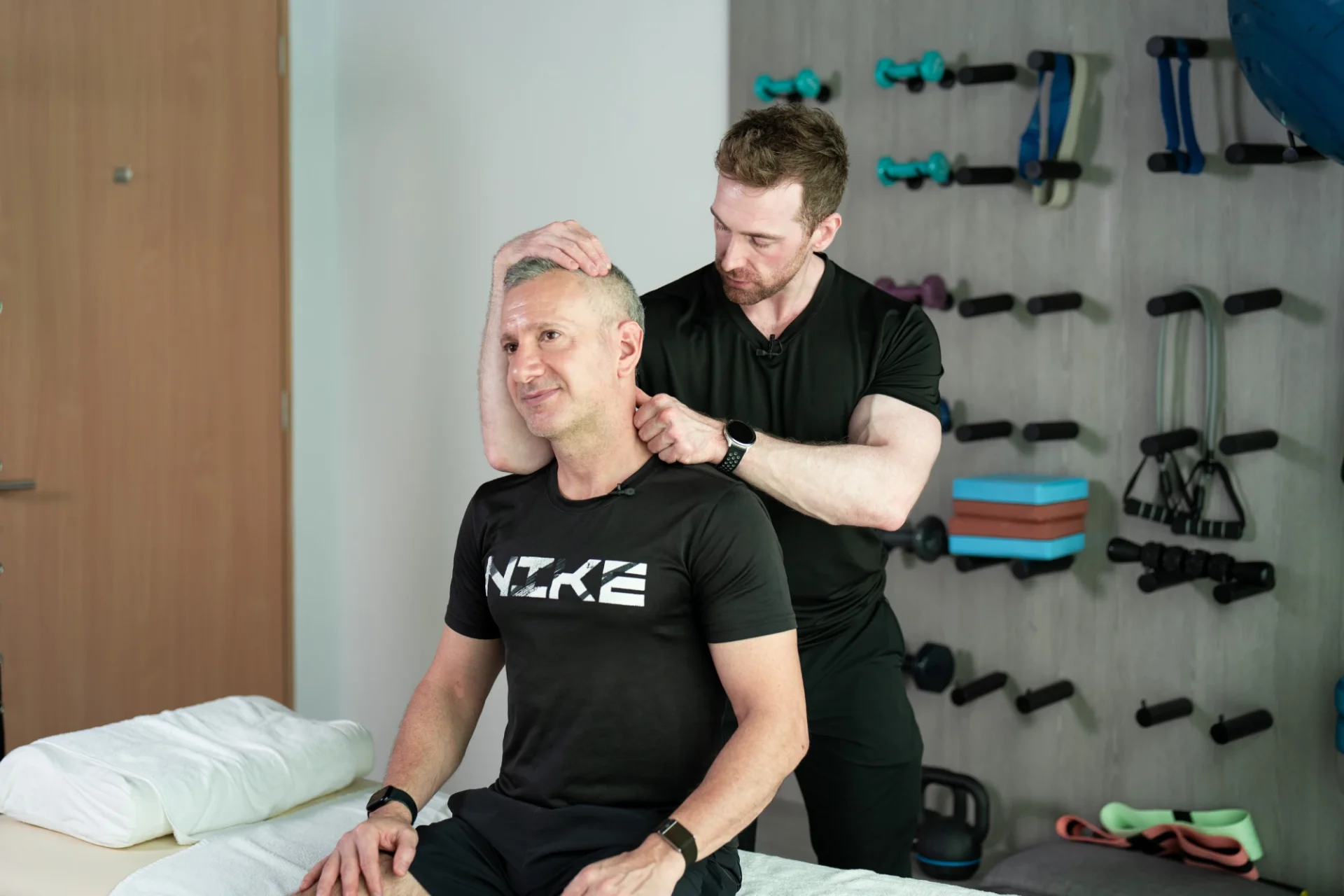
In recent years, the term “Dad Bod” has gained popularity in mainstream culture, often used humorously to describe a certain physique that is neither overly fit nor overly unhealthy but is somewhere in between.
While some say that having a Dad Bod is a symbol of relaxed, carefree living, others view it as a reflection of a lifestyle imbalance. In this blog, we’ll explore the potential disadvantages of having a Dad Bod, the health implications, and most importantly, how personal training, nutrition, and healthy lifestyle changes can help avoid this body type, helping you stay active, energised, and healthier for years to come.
What the Dad Bod Actually Signals
The Dad Bod is typically characterised by a soft midsection, reduced muscle definition, and a lifestyle that prioritises other demands, family, work, and social commitments, over structured physical training. It is rarely the result of dramatic choices. It tends to accumulate gradually, across years, through small consistent shifts in activity levels and eating patterns.
The concern is not the aesthetics. The concern is the biology that often underlies the visible change. Excess abdominal fat, particularly visceral fat, is not the same as subcutaneous fat, the fat that sits just beneath the skin. Visceral fat accumulates around the internal organs, including the liver, pancreas, and intestines. It is metabolically active in ways that subcutaneous fat is not, releasing inflammatory compounds, disrupting hormonal signalling, and contributing to a range of conditions that develop quietly over time. A man with a Dad Bod may look only moderately out of shape. But if the weight is concentrated in the abdominal region and is predominantly visceral, the physiological consequences can be substantially greater than appearance alone suggests.
This is the distinction that makes the Dad Bod worth taking seriously. Not because of how it looks, but because of what it may represent at the cellular and metabolic level.
The Health Risks: What the Evidence Shows
Cardiovascular Disease
Visceral fat is strongly associated with elevated cardiovascular risk. It contributes to increased blood pressure, raised triglycerides, reduced HDL cholesterol, and systemic inflammation, each of which is an independent risk factor for heart disease and stroke. In combination, they compound into a risk profile that is meaningfully higher than any single factor in isolation.
Research published in The Lancet has demonstrated that waist circumference, as a proxy for abdominal fat, is a stronger predictor of cardiovascular events than body mass index alone. A man with a normal BMI but a high waist-to-hip ratio may carry more cardiovascular risk than his weight classification suggests.
Type 2 Diabetes
Excess abdominal fat is one of the primary drivers of insulin resistance, the condition in which the body’s cells become progressively less responsive to insulin. Insulin resistance is the central mechanism in the development of type 2 diabetes and typically precedes diagnosis by 10 to 15 years, during which time it causes no noticeable symptoms.
The Nurses’ Health Study and the Health Professionals Follow-Up Study, among others, have consistently demonstrated the relationship between central adiposity and diabetes risk, with abdominal obesity identified as a more predictive factor than total body weight.
Reduced Muscle Mass and Metabolic Slowdown
Muscle mass declines naturally with age, a process known as sarcopenia, which begins in the mid-30s and accelerates without intervention. In the absence of regular resistance training, this decline compounds. Less muscle means a slower resting metabolism, which means the caloric surplus required to gain weight becomes smaller over time. The body becomes more efficient at storing fat and less efficient at using it.
This creates a cycle that becomes progressively harder to reverse the longer it runs. The Dad Bod is often less about caloric excess than it is about the gradual loss of the metabolic machinery that once made weight management effortless.
Mental Health and Self-Perception
The psychological dimension is real, even if it is less discussed. Research published in the Journal of Health Psychology has found that men who feel physically out of shape are more likely to report symptoms of low confidence, anxiety, and reduced life satisfaction. Physical capability and self-perception are closely linked, and the loss of one tends to erode the other.
The irony is that the cultural acceptance of the Dad Bod, while well-intentioned, can sometimes make it harder for men to acknowledge that they feel less than their best, and to seek the support that would help.
Also read: Unlocking Longevity With TSquared Lab’s Expertise
How to Change Course: The Role of Training, Nutrition, and Lifestyle
Personal Training and Structured Exercise

The most direct route out of a Dad Bod trajectory is a well-constructed exercise programme, combining resistance training with cardiovascular work. Resistance training is particularly important because it addresses the underlying driver of metabolic slowdown: the loss of lean muscle mass.
Studies consistently show that progressive resistance training increases lean mass, raises resting metabolic rate, and reduces visceral fat independently of caloric restriction. In other words, lifting weights does not just change how you look. It changes how your metabolism functions at rest.
Cardiovascular training supports fat loss, improves cardiac efficiency, and reduces the inflammatory burden associated with visceral adiposity. A combination of both, structured around individual capacity and progressive overload, produces better and more durable results than either approach alone.
Working with a personal trainer is not simply about accountability, though that matters. It is about having access to expertise that prevents wasted effort, reduces injury risk, and builds a programme that progresses intelligently as fitness improves.
Nutrition: Fuelling Change, Not Restricting It

Nutrition is where most attempts at change succeed or fail. The common instinct is to restrict, to eat less and hope the body responds. In practice, undereating, particularly of protein, accelerates muscle loss, increases fatigue, and makes sustained effort harder to maintain.
A more effective framework is built around adequacy. Sufficient protein, typically in the range of 1.6 to 2.2 grams per kilogram of body weight daily, supports muscle retention and growth. Whole foods, lean proteins, vegetables, complex carbohydrates, and healthy fats provide the micronutrient density needed to support training recovery and hormonal function. Reducing ultra-processed foods and refined carbohydrates removes the primary driver of abdominal fat accumulation without requiring dramatic restriction.
The goal is not a diet. It is a nutritional environment in which the body is supported to change.
Sleep, Stress, and the Hormonal Picture
Two factors that are consistently underestimated in the Dad Bod conversation are sleep and stress. Both affect body composition through their impact on cortisol, the body’s primary stress hormone.
Elevated cortisol, whether from chronic psychological stress or from inadequate sleep, promotes fat storage in the abdominal region, increases appetite particularly for calorie-dense foods, and impairs muscle protein synthesis. Research published in the Annals of Internal Medicine demonstrated that even modest sleep restriction, just two weeks of five-hour nights, significantly reduced fat loss while increasing lean mass loss in calorie-restricted participants.
Addressing sleep quality and stress management is not supplementary to a body composition programme. For many men, it is foundational to it.
Also read: The Sleep Solution: Science-backed Strategies for Better Sleep
Real Results: How has TSquared Helped Clients With Dad Bod

At TSquared Lab, we believe that fitness is more than just aesthetics. It’s about improving overall health, confidence, and longevity. Many of our clients come to us struggling with the infamous Dad Bod, looking for a way to regain their strength, shed excess fat, and set a positive example for their families. Through personalised training programs, targeted nutrition guidance, and ongoing support, we’ve helped them break through plateaus and achieve incredible results.
When our client Royston joined TSquared Lab, he was determined to cut back on his Dad Bod and take control of his health. Through a structured strength and conditioning program, combined with tailored nutrition adjustments, he successfully lost 12kg and dropped 6.5% of body fat. His journey wasn’t just about weight loss—it was about building strength, endurance, and a sustainable lifestyle that he could maintain long-term.
“The most rewarding thing has been inspiring my friends. They saw my transformation and started asking for advice. Many of them didn’t believe they could lose weight or shed their ‘dad bods’ at our age, but I’ve shown them that it’s possible.” Royston now shares his experiences, helping others take the first steps in their fitness journeys.
Our client Umar had already made strides in his fitness journey but found himself stuck in a plateau. Despite his efforts, his progress had stalled, and he needed a fresh approach to push past his limitations. With our expert coaching, we fine-tuned his training and nutrition plan, helping him shed 6% body fat and regain momentum. More than just physical transformation, his journey at TSquared Lab allowed him to become a stronger role model for his kids, showing them the importance of consistency, discipline, and health.
With the knowledge and discipline he’s gained, he’s determined to continue his fitness journey and pass on these values to his family.“I want to be a role model for my kids and maintain a healthy lifestyle. With the knowledge I’ve gained from Danial, I’m confident I can continue this journey and help my children develop healthy habits as well.”
Also read: How Working Out Helps Your Mental Health
Conclusion
The Dad Bod doesn’t have to be a permanent fixture in your life. While it may represent the natural evolution of fatherhood and responsibilities, it can also carry significant risks for long-term health. By making small but powerful changes such as committing to personal training, eating well, staying active, and managing stress you can reduce the risks associated with a Dad Bod and achieve a healthier, happier lifestyle.
Ultimately, the goal is not to conform to some idealised body type, but rather to find a healthy balance that works for your unique lifestyle. Taking the time to invest in your health will pay off in the long run, ensuring that you can keep up with your kids, feel confident, and enjoy life to the fullest.
Summary
Dad Bod: Comfort Zone or Wake-Up Call?
The Dad Bod often includes extra belly fat, which could signal unhealthy visceral fat and Losing this fat can feel challenging, but understanding the key factors behind it can help you make lasting changes. Here are a few factors that might be holding you back and how to overcome it.
- Sedentary Lifestyle: Less exercise and a more relaxed attitude toward fitness can lead to muscle loss and decreased endurance. Incorporating regular physical activity is crucial for long-term health.
- Poor Nutrition Choices: Unbalanced diets with too many processed foods and sugary snacks can contribute to weight gain. Focus on whole foods, balanced macronutrients, and cutting back on refined carbs for better results.
- Sleep Disruptions: As a parent, lack of sleep can affect your metabolism and increase cravings. Prioritising 7-9 hours of quality rest each night can support healthier weight management.
- Stress & Mental Health: Stress can contribute to emotional eating and belly fat. Mindfulness and stress management practices can help you stay on track.
By addressing these factors with personal training, balanced nutrition, and lifestyle changes, you can avoid or improve the Dad Bod, leading to better health and confidence in the long run.
Also read: Is Weight Training Your Secret to Aging Gracefully?
Frequently Asked Questions
Q. At what age does the Dad Bod typically develop?
The Dad Bod most commonly develops between the mid-30s and late 40s, when a combination of factors converge: natural muscle mass decline beginning in the mid-30s, increased life demands that reduce time for exercise, and hormonal shifts including declining testosterone levels. None of these factors are inevitable in their consequences. All of them respond to the right interventions.
Q. Is belly fat more dangerous than fat elsewhere on the body?
Yes, in most cases. Visceral fat, which accumulates around the abdominal organs, is metabolically more active than subcutaneous fat and is more strongly associated with insulin resistance, cardiovascular disease, and systemic inflammation. Waist circumference is considered a more useful clinical marker of metabolic risk than total body weight or BMI for this reason.
Q. How long does it take to see results from a structured programme?
Most men notice meaningful improvements in energy, strength, and body composition within six to twelve weeks of consistent training and nutritional adjustment. Visible changes in body fat, particularly abdominal fat, typically become apparent over three to six months. The timeline depends on starting point, consistency, and the quality of the programme. Sustainable results are built over months, not weeks.
Q. Do I need to completely overhaul my diet?
Not necessarily. The most durable nutritional changes tend to be incremental rather than dramatic. Increasing protein intake, reducing ultra-processed foods, improving meal timing, and ensuring adequate hydration are high-leverage changes that do not require a complete lifestyle reset. A nutritional approach you can maintain consistently over twelve months will always outperform a perfect approach you abandon after eight weeks.
Q. Can I make progress if I only have limited time to train?
Yes. Three well-structured sessions per week, each of 45 to 60 minutes, are sufficient to produce meaningful improvements in body composition, strength, and metabolic health. Efficiency of programme design matters more than volume. A good personal trainer will build a programme that produces maximum return from the time you have available.
Q. Is the Dad Bod reversible at any age?
The research is clear that body composition improvements are achievable at any age. Men in their 50s and 60s who engage in resistance training and appropriate nutrition consistently demonstrate improvements in lean mass, fat loss, and metabolic markers. The body remains responsive to the right stimuli throughout life. The required effort may shift, but the potential for meaningful change does not disappear.